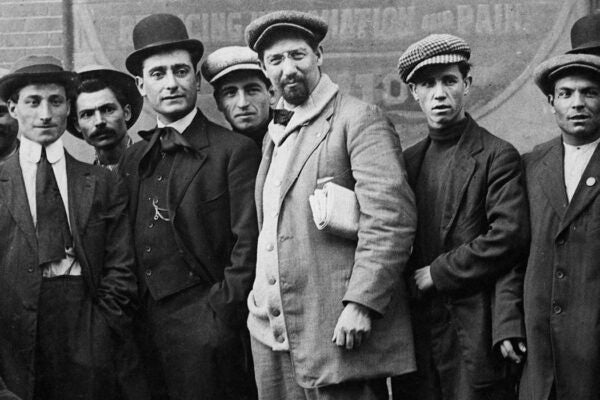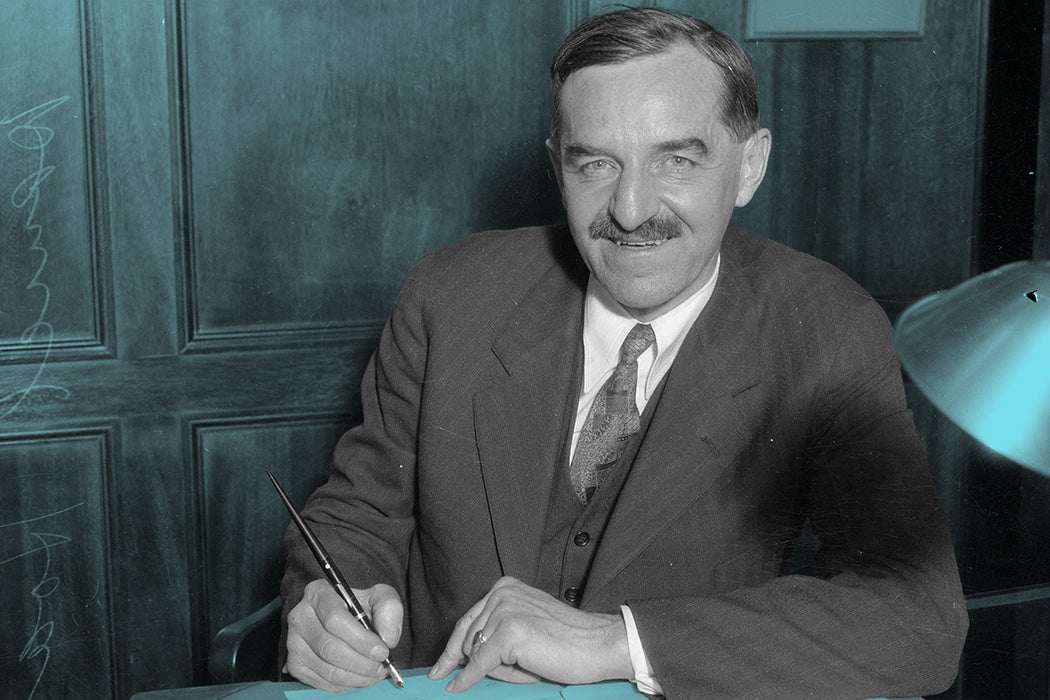
Recent victories for democratic socialist politicians like Zohran Mamdani in New York and Janeese Lewis George in Washington, DC have gotten a lot of people talking about the “sewer socialists” who came to power in the 1910s Midwest, especially in Milwaukee. Historian Michael E. Stevens looks at how one such politician, Daniel Webster Hoan Jr., applied big ideological principles to the daily grind of running a city.


In the early 1900s, Stevens writes, political corruption and graft was a notorious problem in Milwaukee. The local Socialist Party vowed to take this issue on, running a slate of candidates in 1910 on the promise of addressing issues like no-bid contracts. The plan worked. Emile Seidel, who would later go on to be Eugene V. Debs’ running mate in the 1912 presidential election, became mayor. His party also won 21 out of 35 seats on the Common Council. And Hoan was elected city attorney.
Over the years that followed, Hoan fought the city utility and street railway companies, winning reductions in fees and improvements in service. In 1916, he was elected mayor, a job he would hold for the next 24 years.
Stevens writes that Hoan framed socialism as an extension of existing public institutions like the post office, schools, parks, roads, and museums. In his view, other important institutions like railroads, factories, and banks should be run in the same fashion. For that argument to work, he believed, government had to run efficiently and without corruption. He spoke out strongly against the idea that lower taxes were needed. Instead, he prioritized a fairer tax structure and government programs that directly helped everyone in the city.
More to Explore
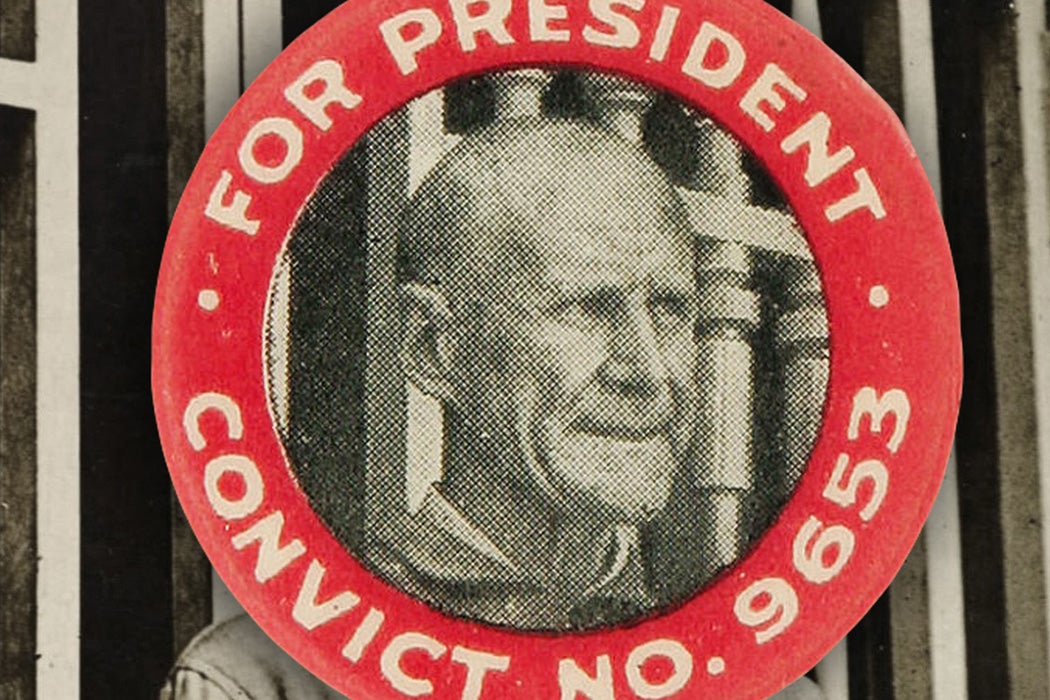
A Million Americans Once Voted for an Incarcerated Socialist
His initial priorities as mayor included vaccinations, clean drinking water, improvements to the city’s harbor, and city planning. In 1920, Milwaukee became the twelfth city in the country to adopt a comprehensive zoning ordinance.
Instead of relying solely on hiring firefighters, he also used the municipality’s power for fire prevention and housing improvements. His efforts to reduce crime included not just fighting graft in the police department but also offering more recreational activities.
Weekly Newsletter
"*" indicates required fields
During World War I, Stevens writes, Hoan resisted profiteering by purchasing surplus material—including salt, canned peas, shoes, and blankets—from the U.S. Army and selling them through city offices. At a time of high inflation, he was able to charge less than half the normal retail price. He argued that this “should demonstrate once and for all that the Socialist theory in conducting many of our enterprises without profits can be worked out in a grand and beneficial manner.”
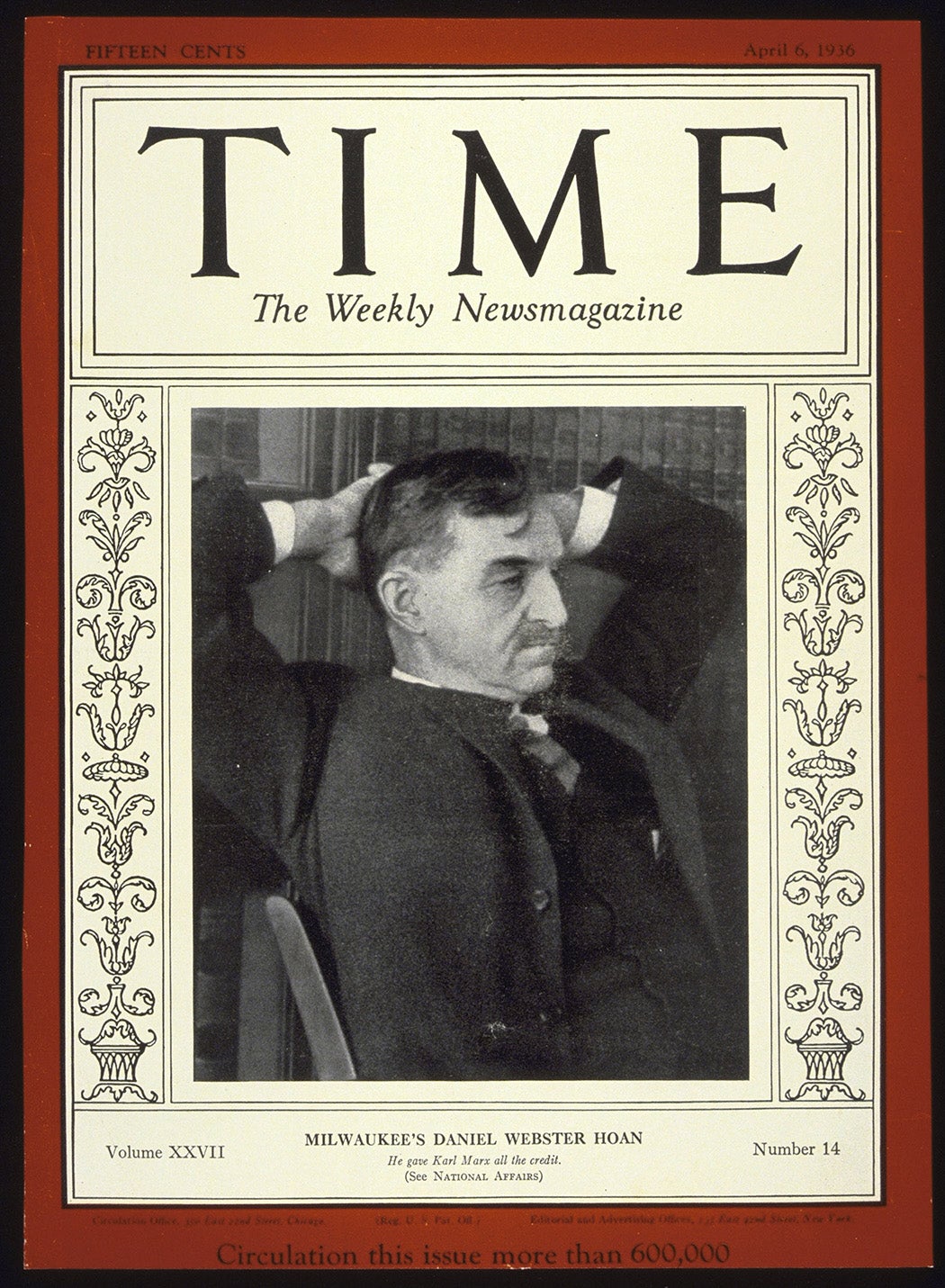
In 1936, Time magazine called Hoan a “Marxist Mayor” but praised the good schools and low crime rate he had helped achieve.
In 1940, Hoan was finally defeated, by a political newcomer known for singing “God Bless America” at his rallies and making vague promises of bringing jobs to the city. By that time, though, many of the ideas Hoan had championed had made their way into the Democratic Party in the proudly pro-government New Deal.