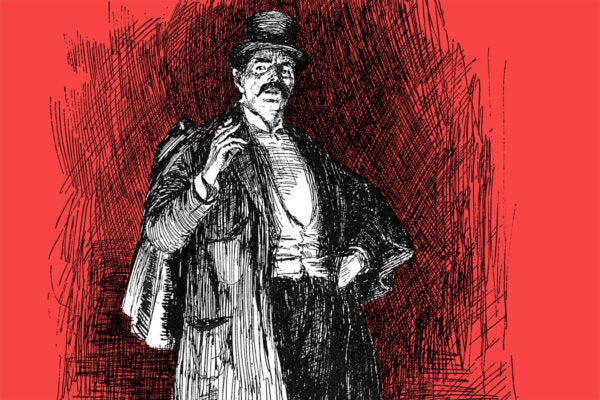
How to Be a British Villain
In classic British detective stories, villains might be atavistic monsters, foreign menaces, or conniving professionals—all tied to aristocrats’ anxieties.

Quebec, Louis Hémon, and Maria Chapdelaine
Louis Hémon’s Maria Chapledaine grew from his views as a French immigrant writer on the rural life of early twentieth-century Quebec.

Verbatim: Fredric Jameson
Marxist cultural critic Fredric Jameson offered a philosophy of late capitalism that gave us a language for talking about globalization and the end of modernism.

Zelda Fitzgerald on F. Scott’s Writing
Zelda’s satirical review of F. Scott's second novel, The Beautiful and the Damned, revealed much more than her wit.
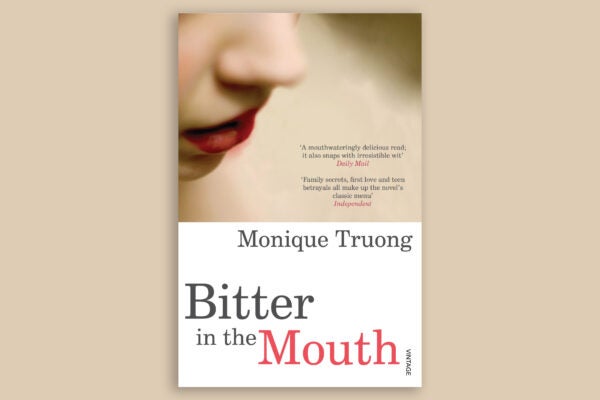
Monique Truong and the New Southern Gothic
Truong’s second novel, Bitter in the Mouth, expands the region and the meaning of “the South” in contemporary literature.
Dr. Sex and the Anarchist Sex Cookbook
Known for his runaway bestseller The Joy of Sex, Alex “Dr. Sex” Comfort was an anarchist and a pacifist who preferred love and sex to war crimes.
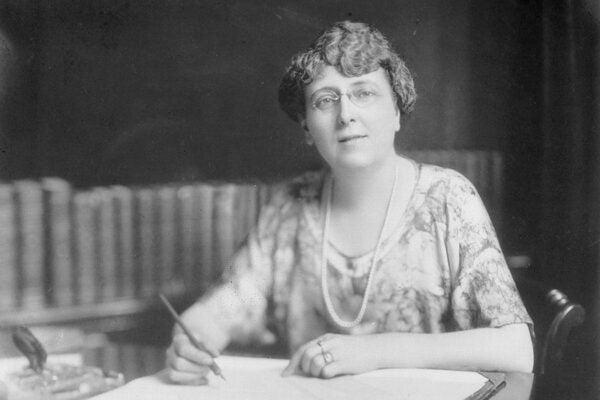
L. M. Montgomery’s Plain Jane
Though not as well known as Anne of Green Gables, Montgomery's Jane of Lantern Hill also explores domesticity, freedom, and, yes, Prince Edward Island.

When Aldous Huxley Dropped Acid
In Hollywood, the esteemed ex-pat made the acquaintance of Alfred Hubbard, a Kentucky-born smuggler of ill-repute who introduced him to a brave, new world.
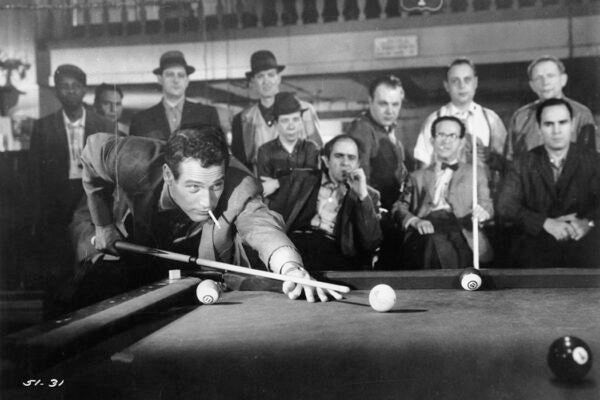
Playing It Straight and Catching a Break
Cue games have had a lingering influence on our language and culture—even before the contributions of “Fast Eddie” Felson.
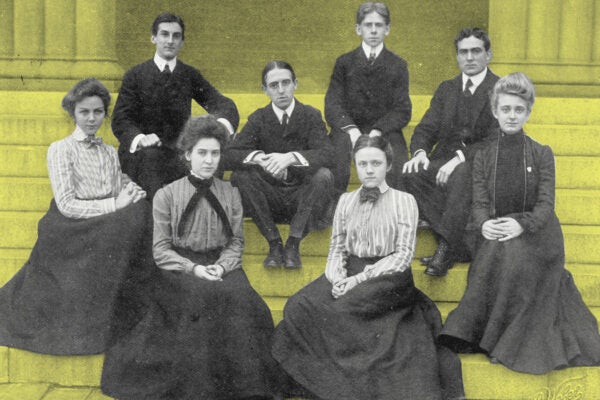
A Selection of Student Confessions
Did you break a campus rule? Let the students of Millersville Normal School show you how to confess to the administration.