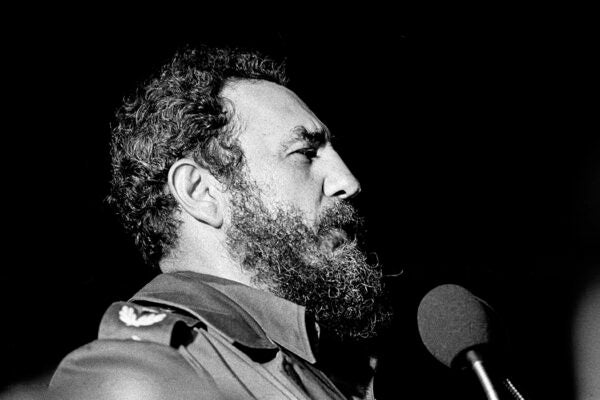
Inventing “Machismo” in the US
Academics and media turned “machismo” into a cultural stereotype during the Cold War.
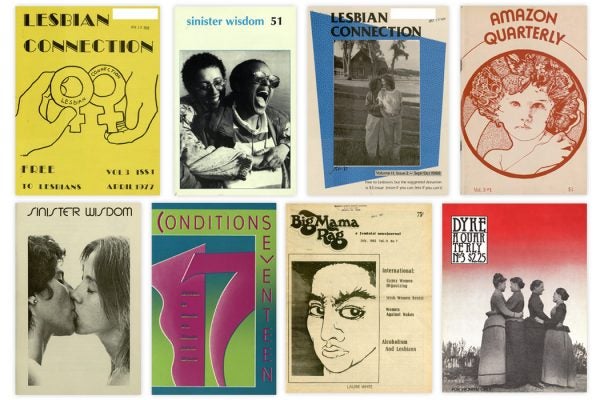
LGBTQIA+ Pride Month
June is LGBTQ Pride Month, so JSTOR Daily gathered some of our favorite stories to celebrate. All with free and accessible scholarly research.
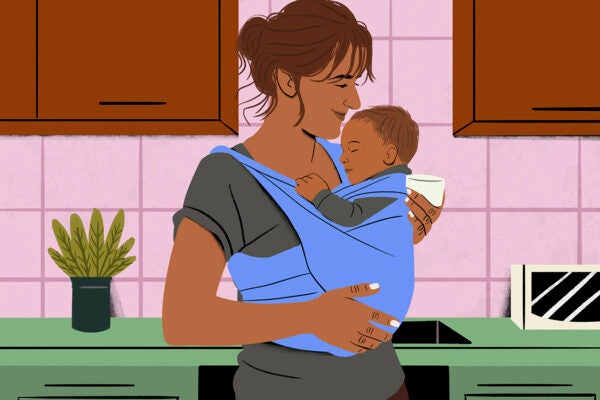
Why Care Matters More Than Work
Reproductive justice offers a new way to think about human flourishing beyond the job market.

The Global Rise of Boys’ Love Fandom
From Mexico City fan conventions to Thai TV dramas, Japanese queer media culture is evolving in unexpected ways.

Hired at First Sight: The Power of “Pretty Privilege”
First impressions shape outcomes before a word is spoken—and research shows those snap judgments are far from random.
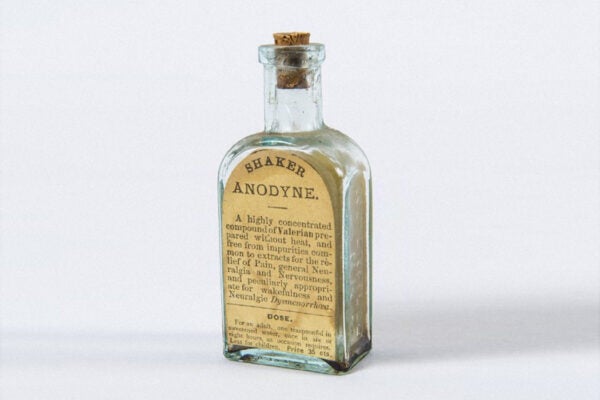
A Trusted Name in a Dubious Drug Market
Amid the fraud and flimflam of early drug markets, Shakers stood for purity, creating a brand others were eager to exploit.

Celebrating Asian American and Pacific Islander Heritage Month
Our best stories about the vast histories and cultures of Americans with ancestry in Asia and the Pacific.
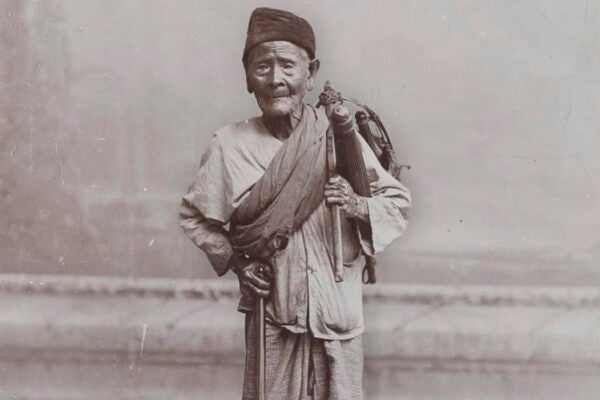
The Supernatural Side of Malayan Rice Farming
In agrarian Malaya, spirit mediums negotiated with deities and demons to safeguard crops and shape the rhythms of rural life.
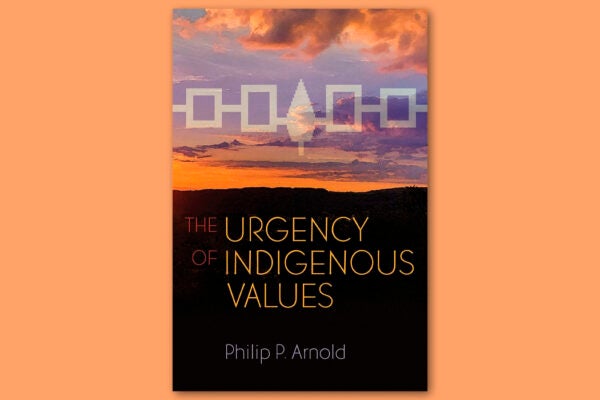
The Urgency of Indigenous Values
As global crises mount, religion scholar Philip P. Arnold argues the Haudenosaunee’s Great Law of Peace offers a way out of the West’s self-destructive path.
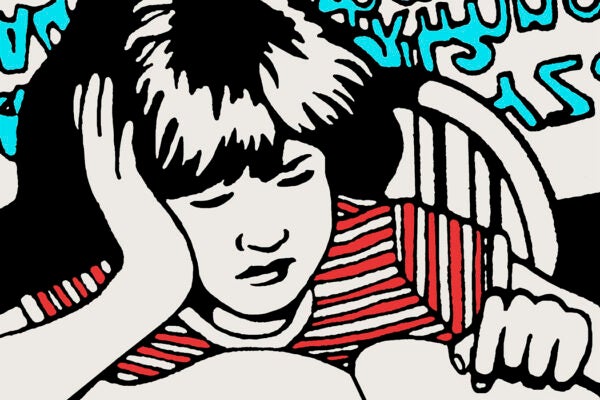
Another Way to Boost Fourth Grade Reading Scores? Preschool
Early education doesn’t erase inequality, but research shows preschool can significantly narrow reading achievement gaps.