To English-speaking Americans in the twenty-first century, the word “machismo” suggests some combination of toughness and male chauvinism, presumably found in its purest form among Latinos. Tracing the word’s history, historian Benjamin Arthur Cowan finds that it emerged as Cold War-era US academics attempted to find a cultural explanation for the things they thought were wrong with Latin America and with Chicano and Puerto Rican communities.


Cowan writes that “machismo” was not a common word in Mexican Spanish in the mid-twentieth century. “Macho”—a word for male animals—might be used in a complementary manner for a tough boy or man, but this wasn’t generally viewed as indicative of a particular worldview. As late as 1959, Mexican dictionaries treated “machismo” as a somewhat vulgar term.
The first widely cited use of “machismo” in English comes from writing by white Los Angeles social worker Beatrice Griffith, who worked with Mexican American young people. In her 1948 book American Me, she expressed her worries about pachucos’ delinquency and violent tendencies.
Cowan writes that the word was adopted by US scholars following the early Cold War trend of studying “national characterology” in an attempt to extract insights useful for geopolitics. In the case of Mexico and other Latin American countries, they went into their studies looking for answers to what they perceived as the central problems of the region—poverty, overpopulation, and susceptibility to revolutionary communist ideology.
More to Explore
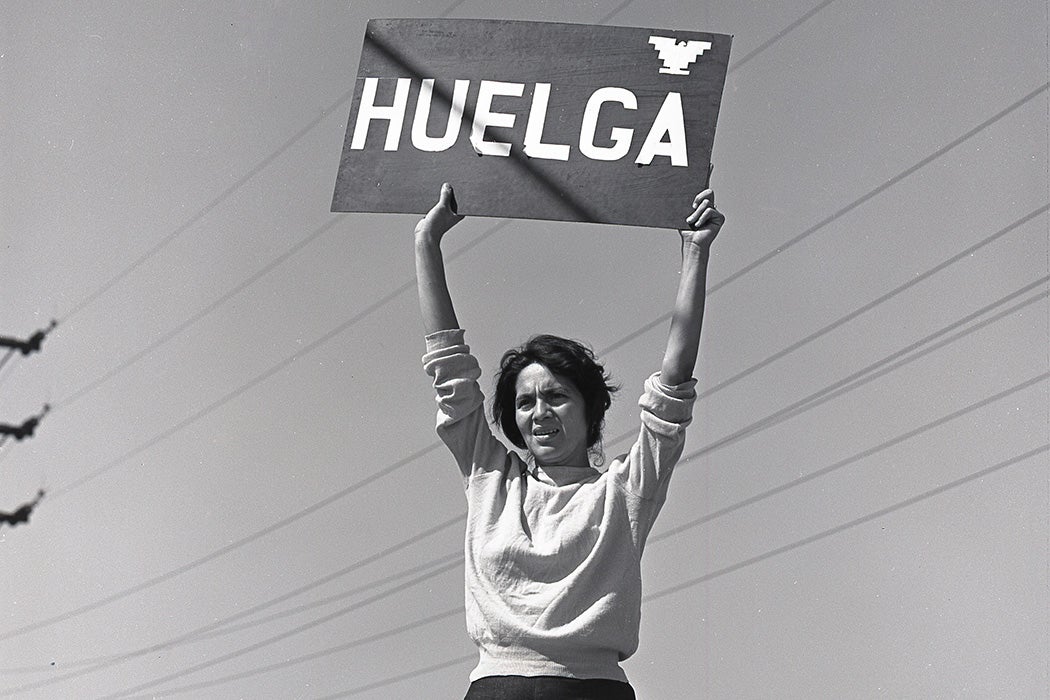
The Foundations of Chicana Feminism
Numerous academic articles and books in this vein diagnosed Latin Americans with a pathological relationship to masculinity, often based only on perusal of Mexican literature and informal interviews with locals. In one such 1954 essay, anthropologist Gordon Hewes described “the Mexican” as characterized by “phallic obsession” and attributed Mexican alcoholism, poverty, and overpopulation to machismo. A decade later, sociologist Orrin E. Klapp suggested that the macho “national character” made Mexicans prone to embracing rash ideas like Communist revolution.
In the 1950s, sociologist J. Mayone Stycos studied the supposed overpopulation crisis in Puerto Rico and concluded that the trouble was men’s macho desire to father many children. However, his own surveys found that only 5.8 percent of Puerto Rican men viewed siring children as an element of machismo. In contrast, 14 percent said that machismo included civic virtue and hard work, and 18 percent said it required being honorable and trustworthy.
In the 1970s, Cowan writes, some scholars working in the growing fields of ethnic studies and feminist inquiry began to critique the way “machismo” was used to pathologize Chicanos and other Latin Americans.
Weekly Newsletter
"*" indicates required fields
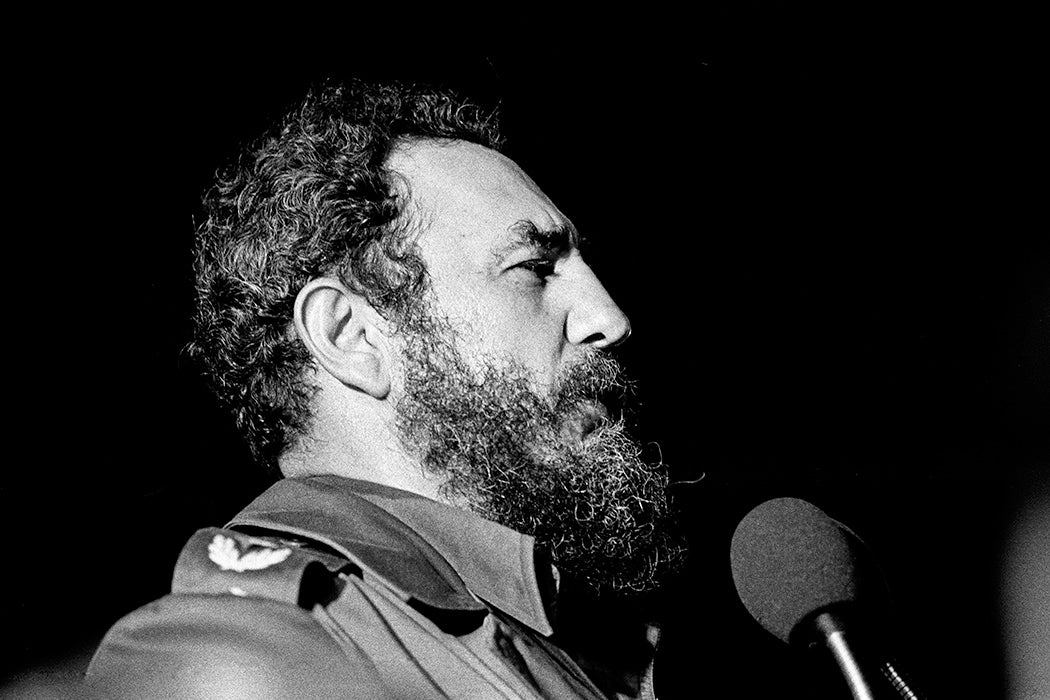
But, by this time, the term had broken academic containment. A 1963 Time magazine story suggested that it was Fidel Castro’s “whiskery look of virility” and Cubans’ “compulsion to follow a macho leader” that allowed the communists to take power. Before long, crime dramas were identifying “machismo” as a pathology afflicting urban Chicano youth.
But soon, the word’s valence began to shift. A 1969 advertisement featuring a blond white man suggested that women buy a tie-dye-style polyester shirt “that’s strictly ‘machismo’” to “approve his swagger and pride.”



.jpg)