On the morning of Saturday, May 12, 1979, Āyandigān, one of Iran’s longest running, largest, and most independent newspapers, was missing from many of the country’s newsstands. Earlier in the week, Ayatollah Ruhollah Khomeini, who had taken power three months earlier, had denounced the publication as “depraved,” and throughout the previous night, state-run radio had repeatedly criticized it as “counterrevolutionary.”


That day’s edition of Āyandigān carried a single story, a plea to the new government to embrace the free press which, it wrote, had been a tenet of the Iranian Revolution. “It is impossible to continue until the government makes a clear stand for freedom of press and speech,” the newspaper declared. The rest of its pages were blank.
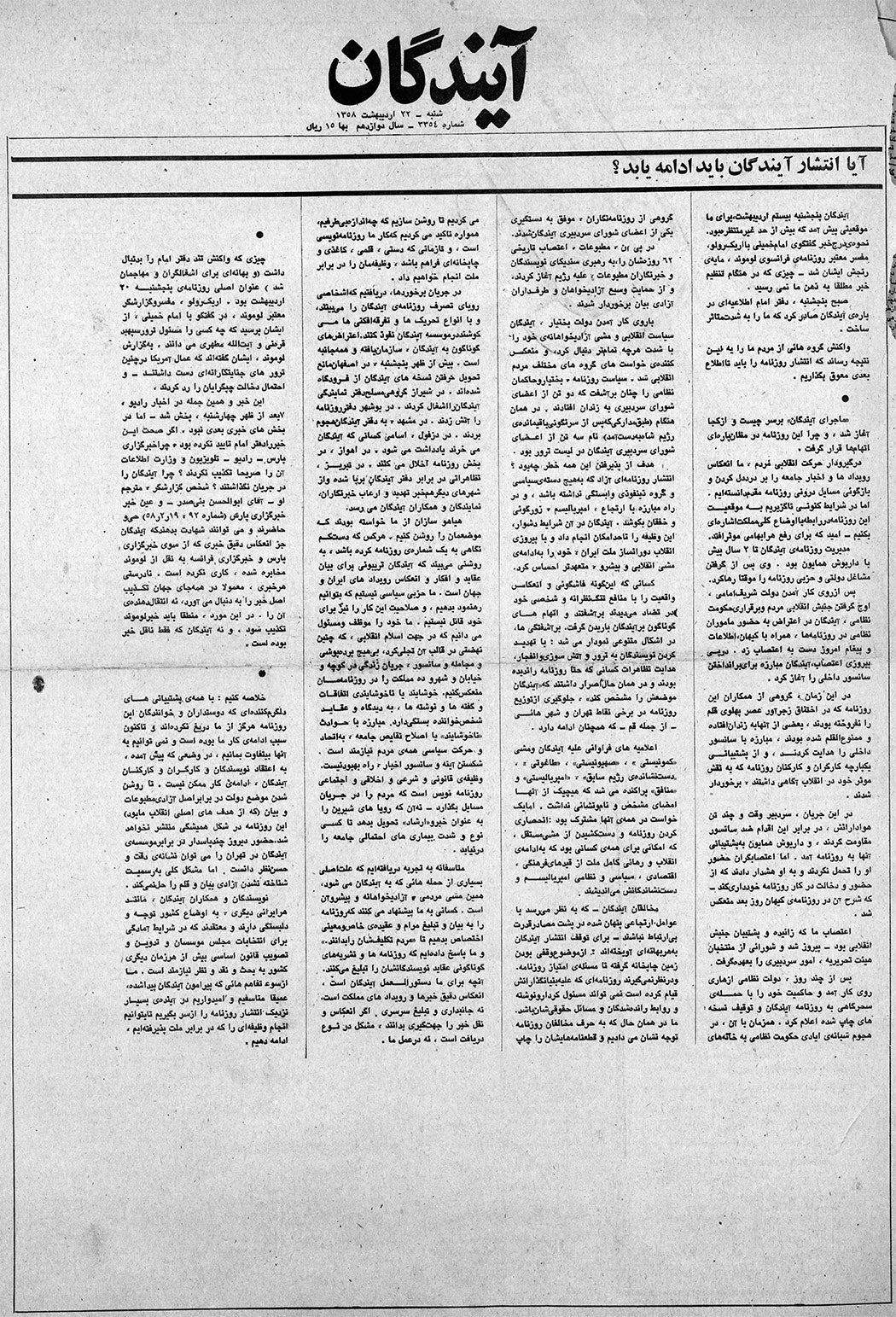
Hundreds marched through the streets of downtown Tehran to protest the paper’s challenge to the ayatollah. In Shiraz, in southern Iran, its offices were occupied by armed men. And in the western Iranian city of Dezful, the names of people who bought the paper were recorded. Still, the New York Times reported, supporters handed out stacks of newspapers in the streets, swelling Āyandigān’s usual circulation of 300,000 to 450,000.
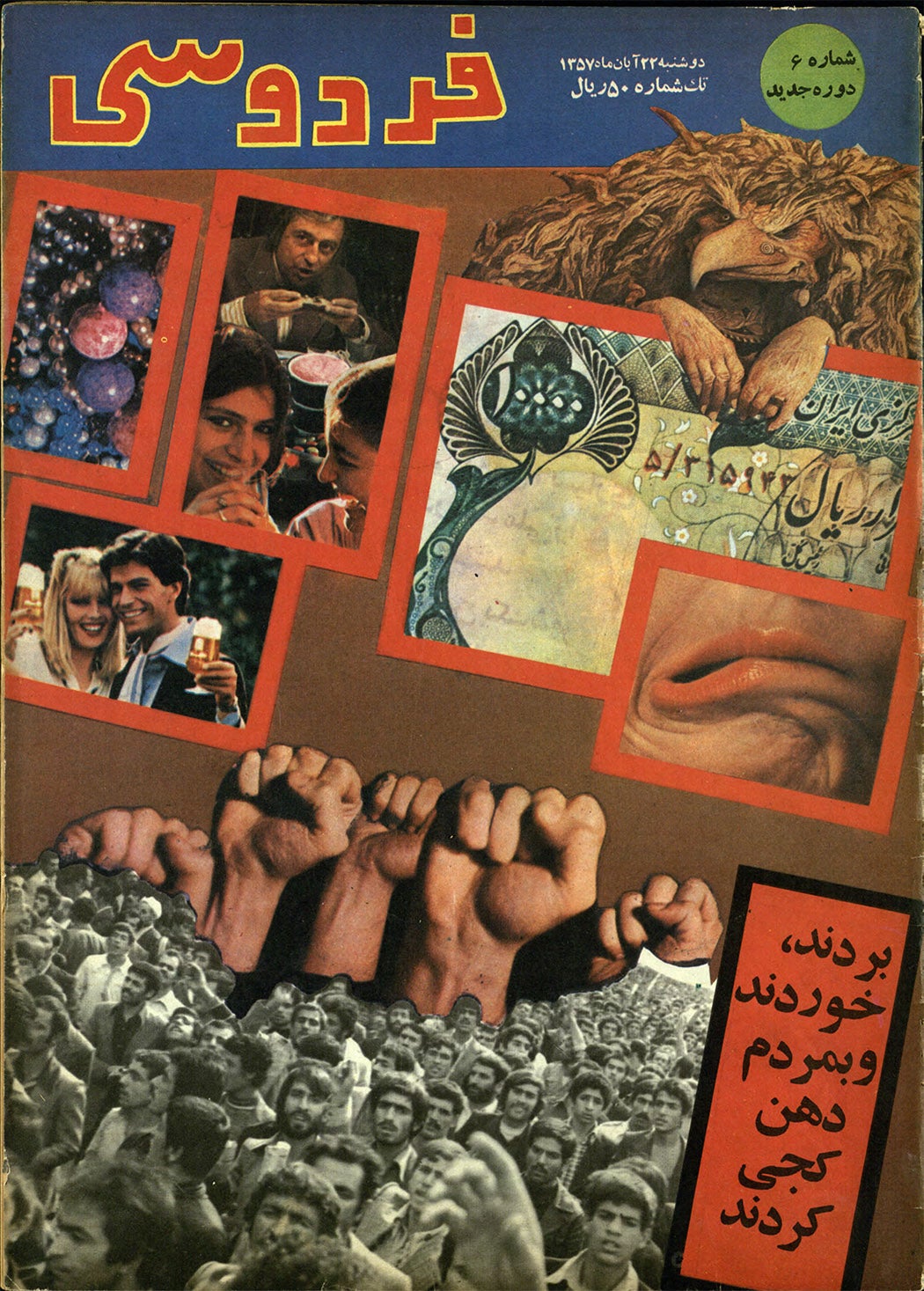
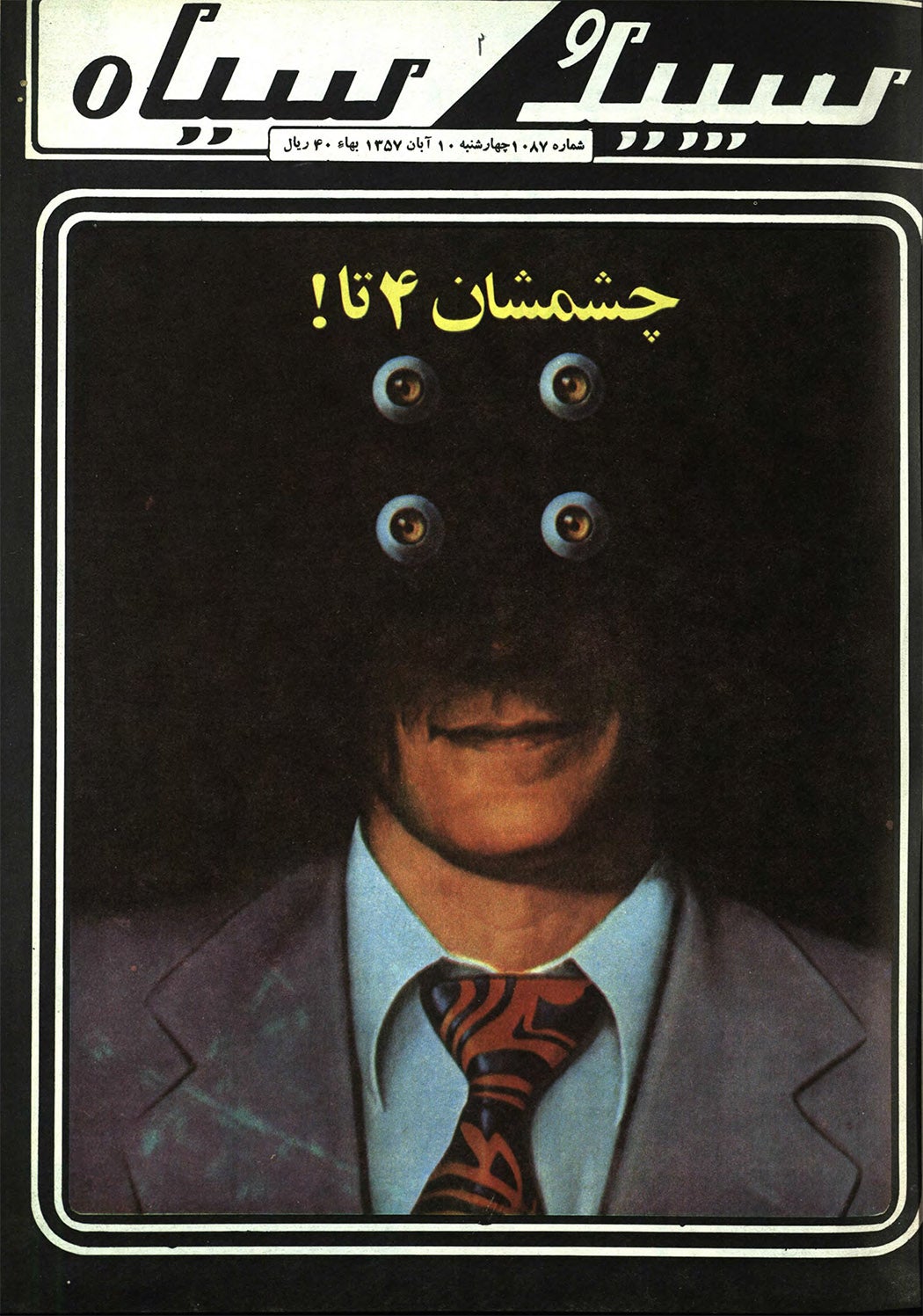
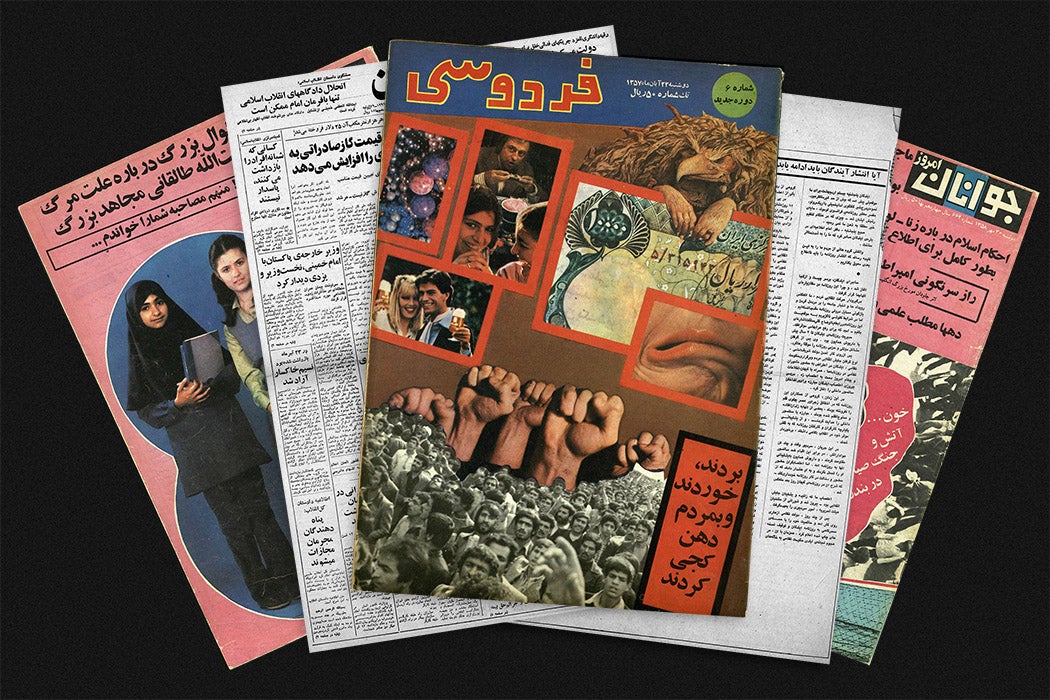
With knowledge of the next half century of Iranian history, it can be a surprise to realize that, amid this societal unrest, the first few months after the overthrow of the shah were a time of optimism in the country. The news media flourished in a tentative “Spring of Freedom,” and news consumers had access to a cacophony of voices from across the political and religious spectrum. By one count, the country had 100 newspapers at the time of the revolution and more than 700 in the year after. This forgotten moment is captured by Nashriyah, a vast collection of digitized Iranian newspapers created by the University of Manchester and shared via JSTOR.
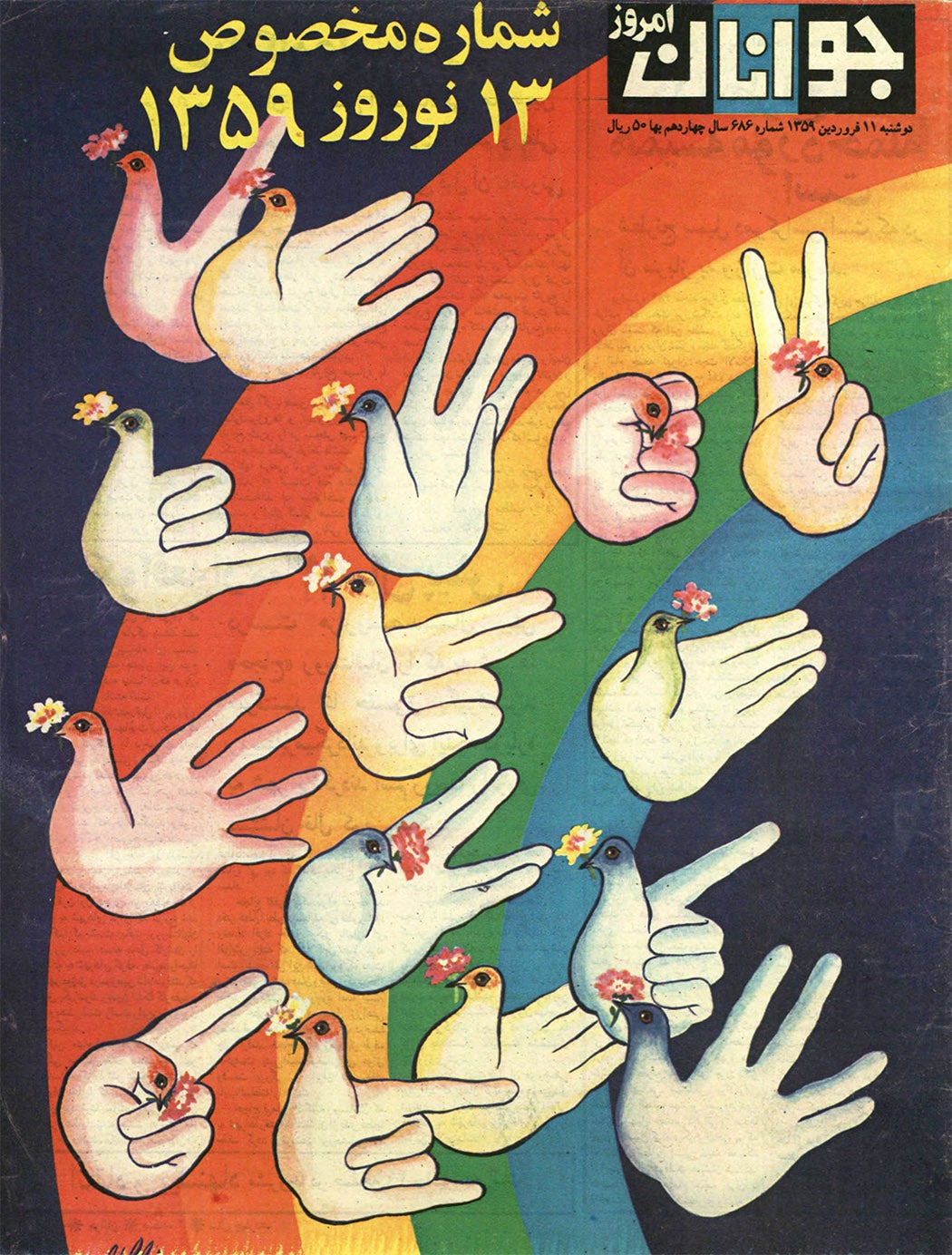
In the Nashriyah archives, one can see the 1979 revolution—the origins of which are still the subject of academic debate—and its aftermath unfold in real time on the front pages of Āyandigān and Kayhān, another newspaper of record for the country; in the sensational tabloid stories of Ittiḥād-i javān (Youth Unity) and Javānān-i imrūz (Youth Today); in the cartoons of satirical publications like the left-wing Āhangar; and in the advertisements of Tihrān muṣavvar (Tehran Illustrated), which speak to everyday desires amid the upheaval—a world of color TVs, fashionable watches, long-hold hairspray and American sodas.
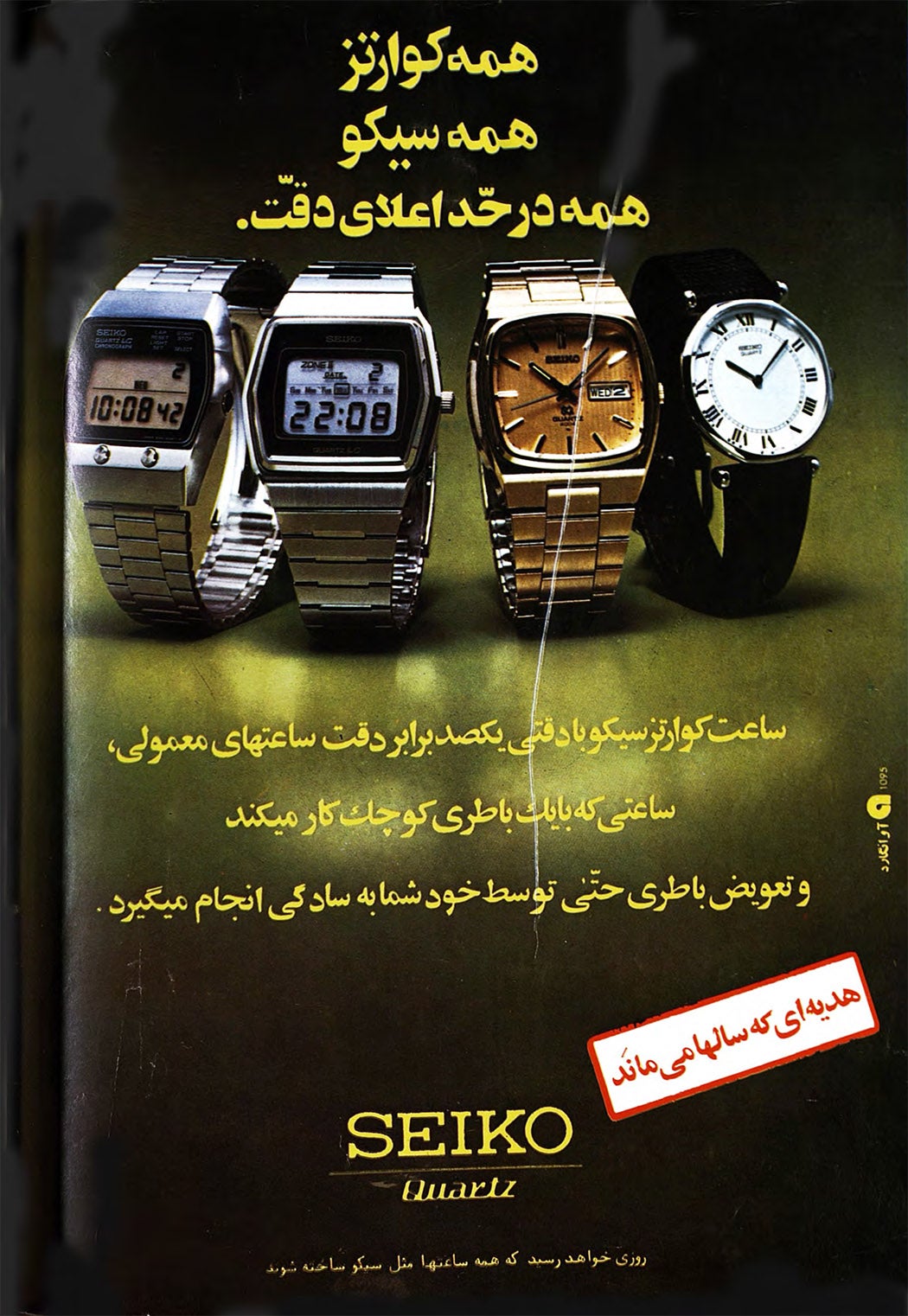
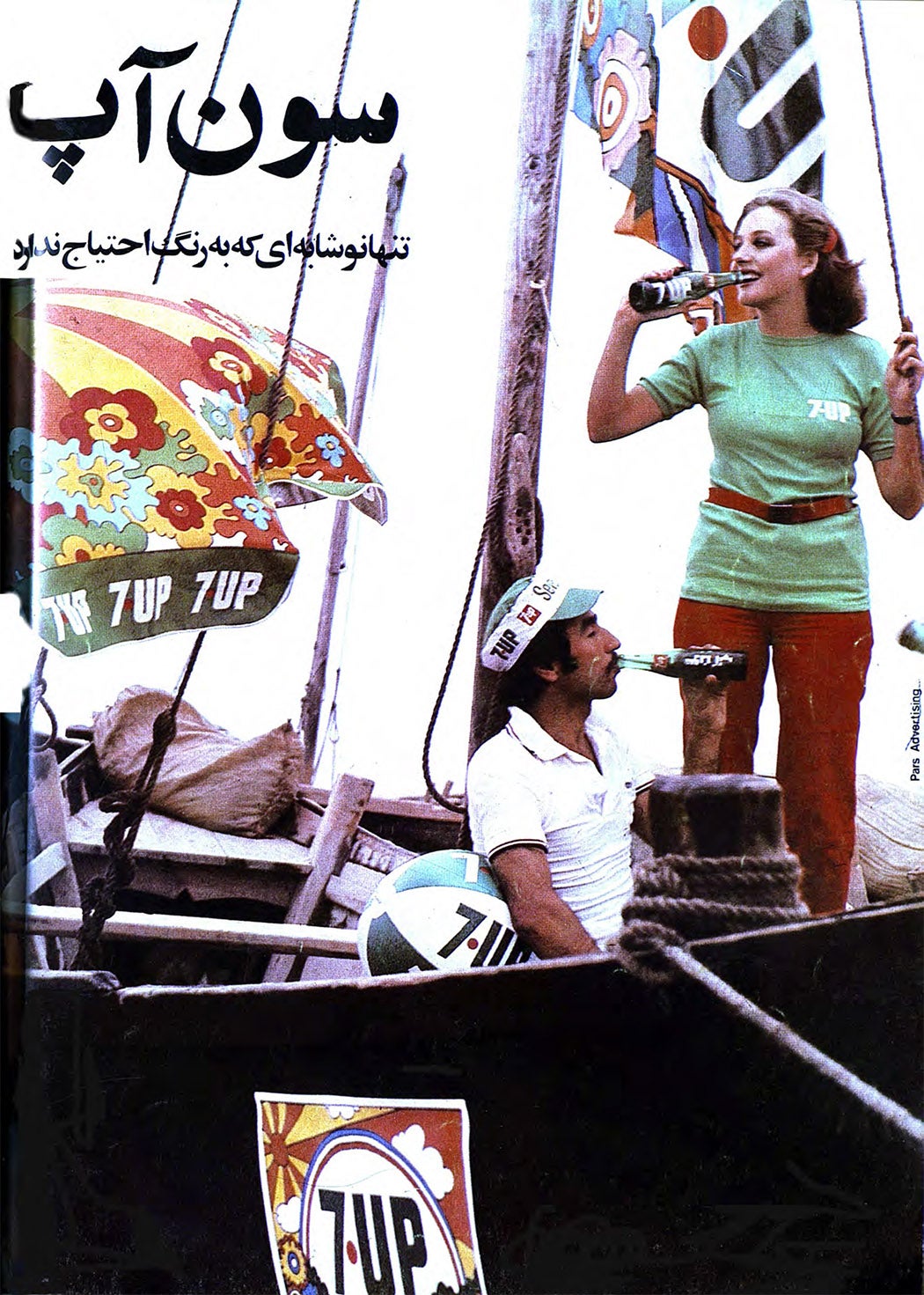
(The digitized archive also has rich holdings from the early 1950s, in the lead-up to the August 19, 1953, coup that solidified the control of the shah, and the University of Manchester has plans to expand its online offerings to include publications from the late 1990s and early 2000s, a short-lived period of reform in Iran.)
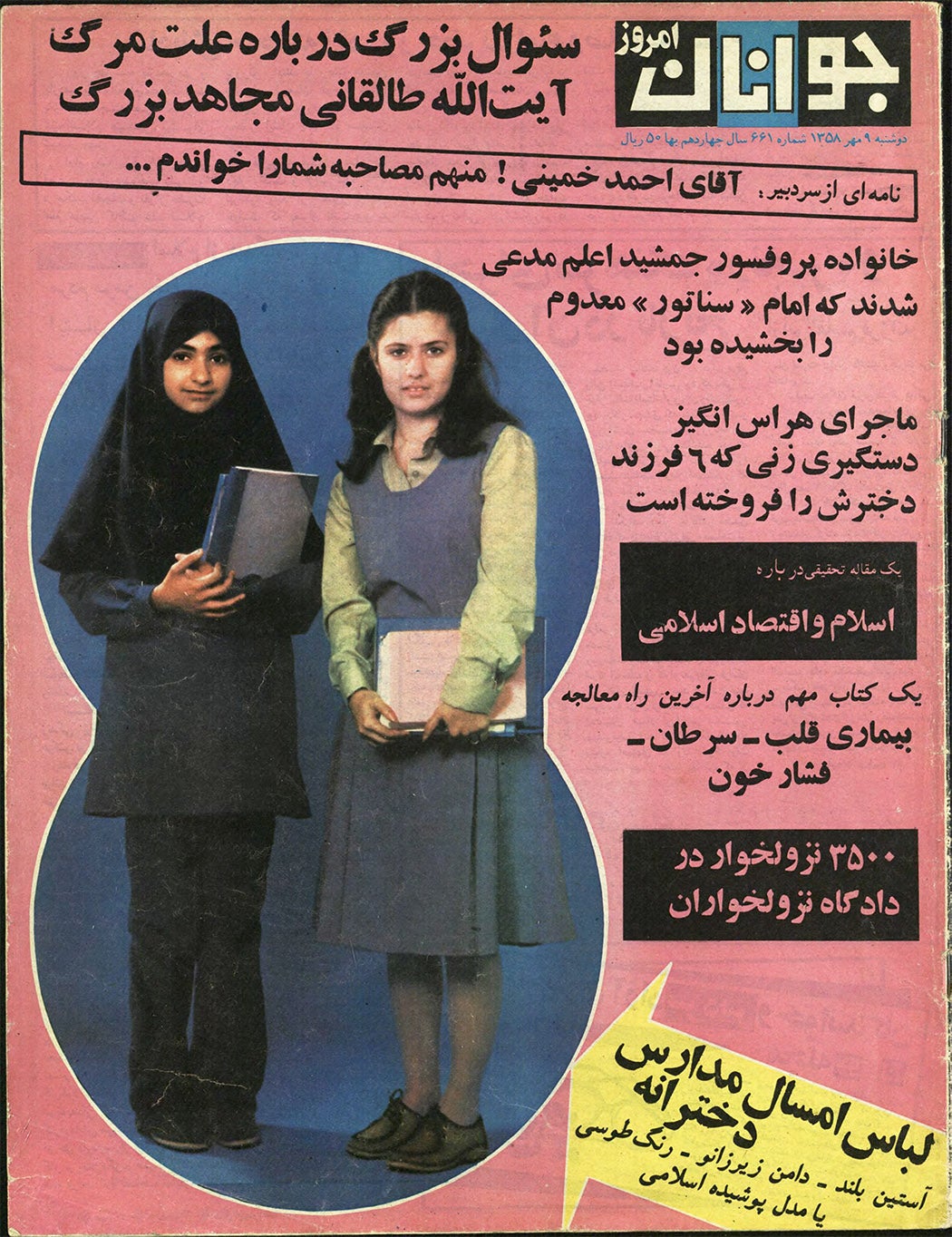
That these publications even exist today is a testament to the strong human impulse to document one’s experiences for history. Āyandigān lasted a mere three more months after that tumultuous May day, but its fragile newsprint was preserved.
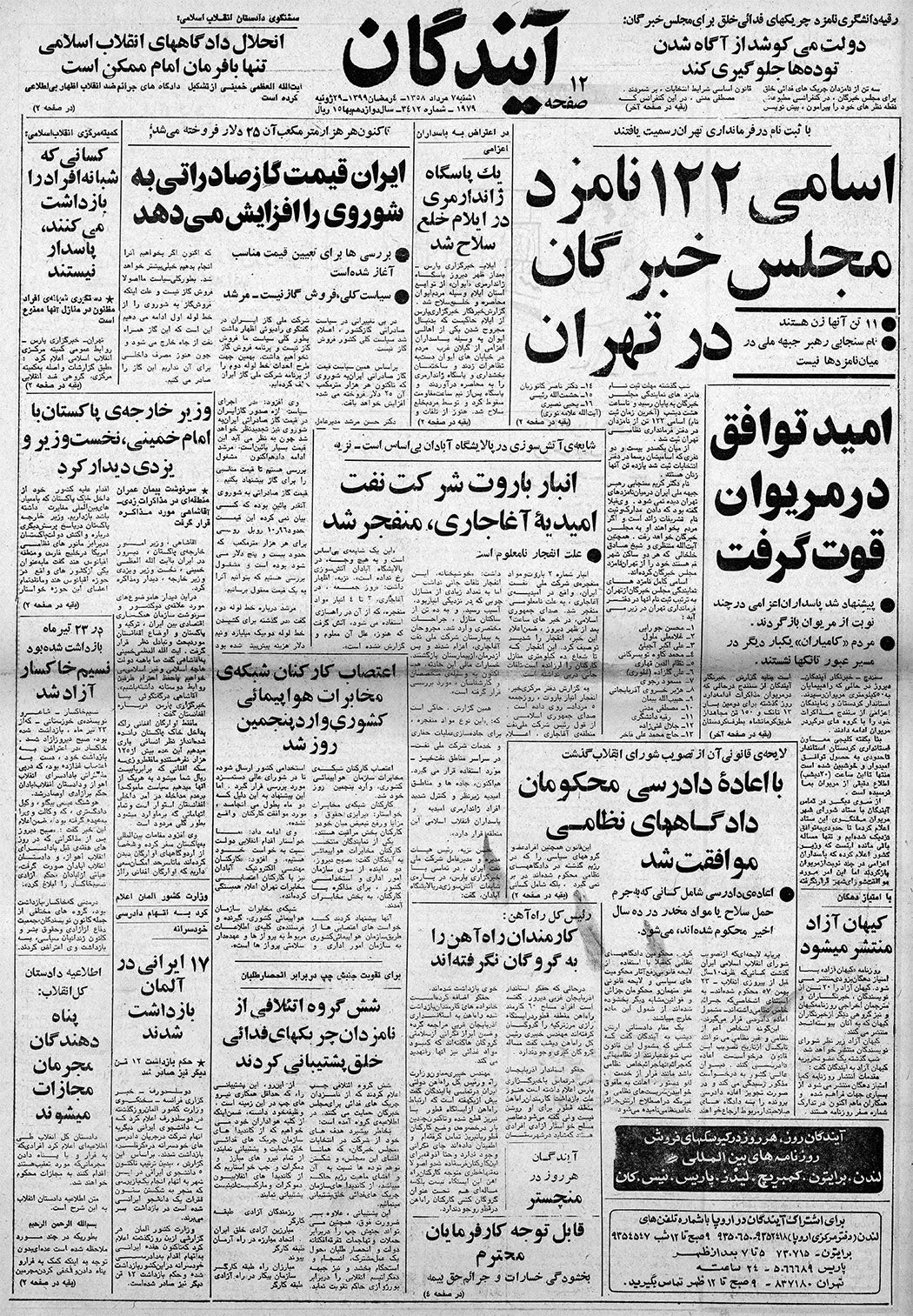
On August 7, 1979, the Iranian government announced a new law authorizing the suspension of publications critical of the leadership. Almost immediately, the Islamic Revolutionary Guard occupied the Tehran office of Āyandigān, barring journalists access to the newsroom and their presses. The day’s newspaper was seized. The same day, Āhangar was ordered to cease publication. When the law was published the following week, imposing harsh penalties on journalists criticizing Islam or the Iranian leaders and requiring publications to obtain government licenses to print, press supporters were confronted by Islamic militants in the streets of Tehran, leading to the worst violence in the city since the end of the revolution.
Weekly Newsletter
"*" indicates required fields
By the end of August that year, it was not just Āyandigān and Āhangar, but some 40 publications in the crosshairs. Ittiḥād-i javān, Javānān-i imrūz and Tihrān muṣavvar were shuttered, as was the leftist Pighām-i Imrūz, the tabloid Firdūsī, and Sipı̄d va sı̄yāh, a publication which had the distinction of also having been banned by the previous regime. To be able to read all of these today is vital for understanding the history of the Iranian people. And it is a small act of rebellion against those anywhere who would attempt to silence the free press.