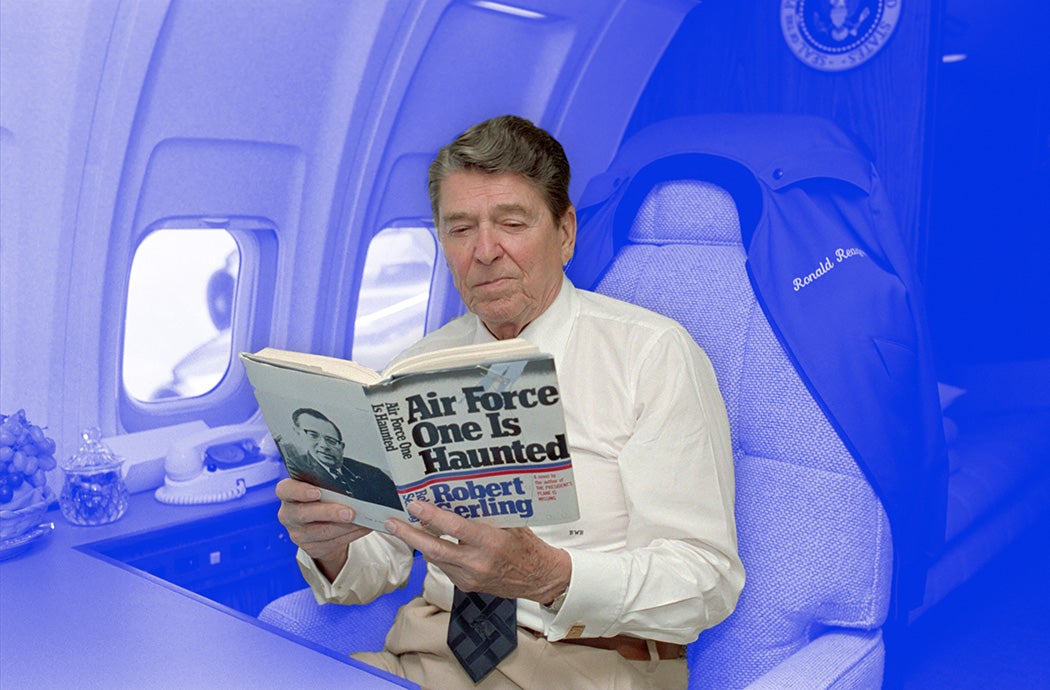
Overseas trips tend to show US presidents at their most “presidential,” shaking hands with other world leaders amid flags and media throngs. Yet, as political scientists Ian Ostrander and Toby J. Rider write, presidential travel abroad is a strikingly new phenomenon.


Until the twentieth century, Ostrander and Rider write, presidents observed an unwritten rule against international travel. For early presidents, such trips seemed too much like regal flaunting of political power.
And there was also the matter of paying for it. Early in the country’s history, Congress didn’t appropriate money even for domestic presidential travel. Eager to maintain their status as the primary branch of government, congressmen didn’t want to pay for the executive to go on a publicity tour. When James Monroe traveled through the northeastern states, he paid the bill himself.
The rise of presidential foreign travel was tied to the country’s changing position in the world. The Panama Canal, a symbol of rising US imperialism, was the destination for the very first overseas presidential trip, by Teddy Roosevelt in 1906.
Examining presidential overseas trips between that year and 2016, Ostrander and Rider found that the overall trend has been toward more time abroad. (A striking exception was Woodrow Wilson, who spent 148 days overseas in his second term, negotiating the end of World War I and helping to shape the postwar world.)
More to Explore
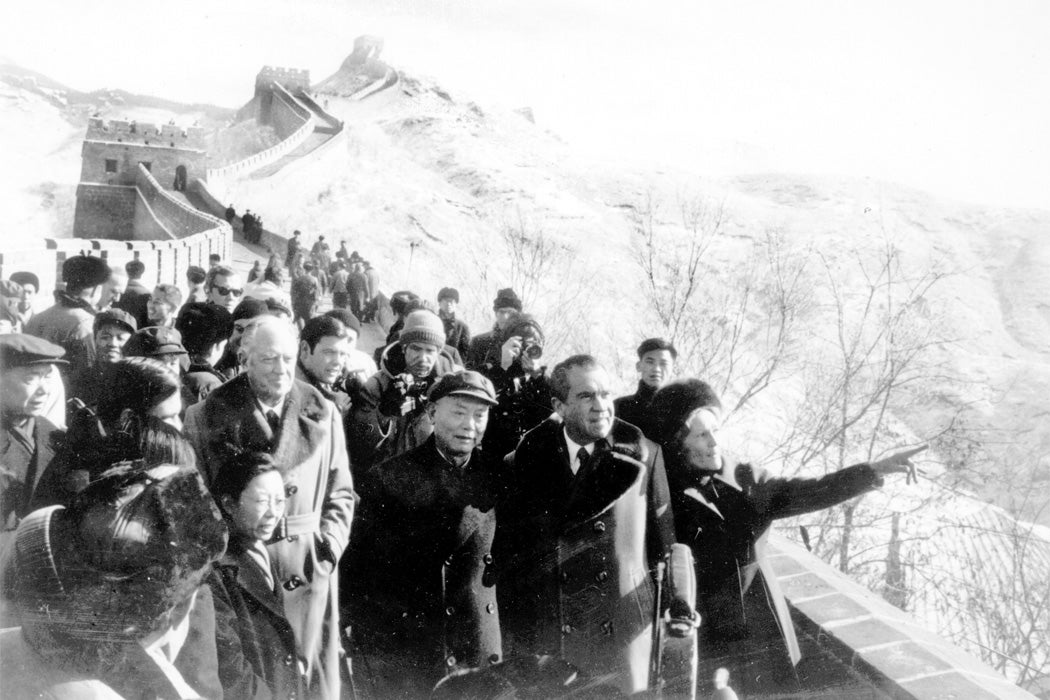
Why Did Nixon Burn the China Hands?
Aside from increasing international entanglements, another obvious explanation for increased travel is advances in technology, which allow for a trip around the world without taking too much time away from matters at home. Presidential trips rose significantly after the creation of Air Force One in 1953.
Yet the time cost of travel still seems to constrain presidents. Ostrander and Rider find that the most common destination is Europe, which may reflect diplomatic priorities but is probably also partly a matter of the relatively short travel time from Washington, DC.
By far the most common reason for trips is bilateral or multilateral meetings. Much more rarely, presidents travel for ceremonies and events, such as foreign leaders’ funerals, or simply to visit American military installations.
Weekly Newsletter
"*" indicates required fields
Ostrander and Rider also find that presidents make choices about travel based on domestic priorities and political considerations. They travel less during election years, when they want to spend time campaigning. And they travel more when the government is divided—meaning that there may be fewer opportunities to advance policy priorities back home—and when Congress has large partisan majorities—meaning that there’s little point in spending time trying to corral votes.
If things are going poorly on the domestic front, a trip can also offer a distraction. Richard Nixon and Bill Clinton both traveled during the scandal-plagued parts of their time in office.
Whatever the complex reasons motivating presidential travel, the amount of time spent abroad would no doubt come as a shock to pre-twentieth-century Americans.