The DUKW was designed for war. The gray metal vehicle had six wheels, a rudder, and a propeller, an unlikely cross between a Jimmy deuce-and-a-half—as the standard GMC military truck was known—and a bulky metal scow. Between 1942 and 1945, more than 21,000 DUKWs came off the assembly lines in Michigan and Missouri. Called “ducks” by just about everyone, these land-water hybrids would carry troops and supplies to the beaches of Sicily and Normandy and countless other battle sites through World War II. Later they delivered the same cargo to the shores of Incheon, changing the tide of the Korean War.


And then in the summer of 1961, an aging DUKW from an Akron scrapyard became an unlikely symbol of peace in the midst of the Cold War.
It was an adventure only a couple of college kids could dream up—a yearlong road trip across the Americas in a vehicle that had broken down five times on the drive from Ohio back home to New York. But “adventure was only part—a small part—of this trip,” Dan Twomey, one of nine men who participated in what they called Operation Americas, told a local newspaper. (The contingent also included his twin brother, Tom.)
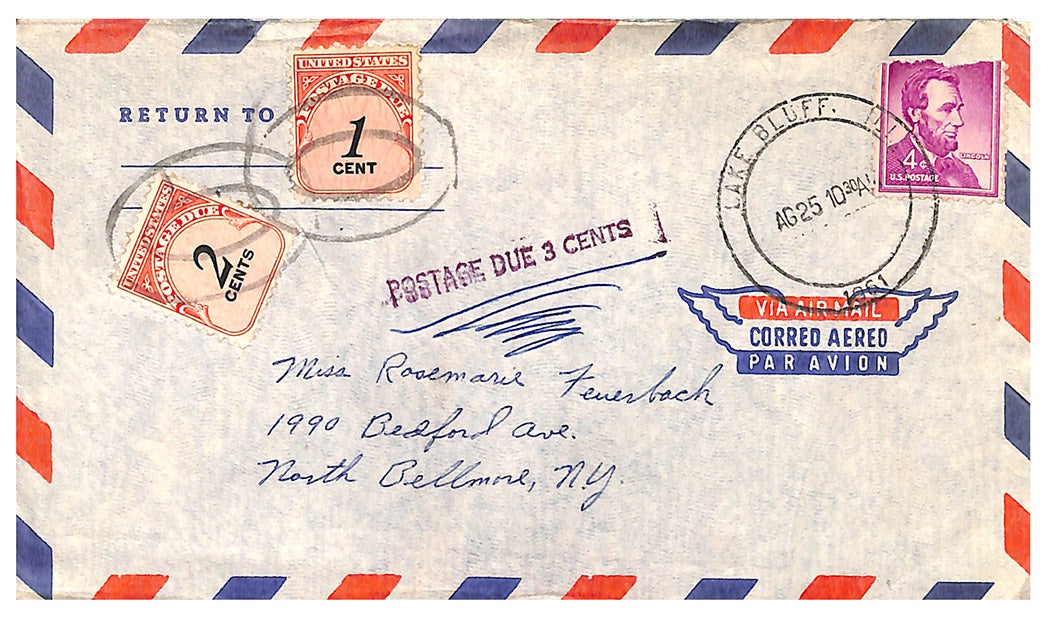
For Twomey, who documented the odyssey in letters to his girlfriend Rosemarie Feuerbach, now shared by Drew University via JSTOR, the purpose was much bigger. The adventure was both a goodwill mission and a personal quest.
To the newspapers, Twomey explained that the goal was “friendship and understanding”—“meeting ordinary people, listening to their ideas and perhaps putting across the true American story was and is the sole purpose of this whole thing.”
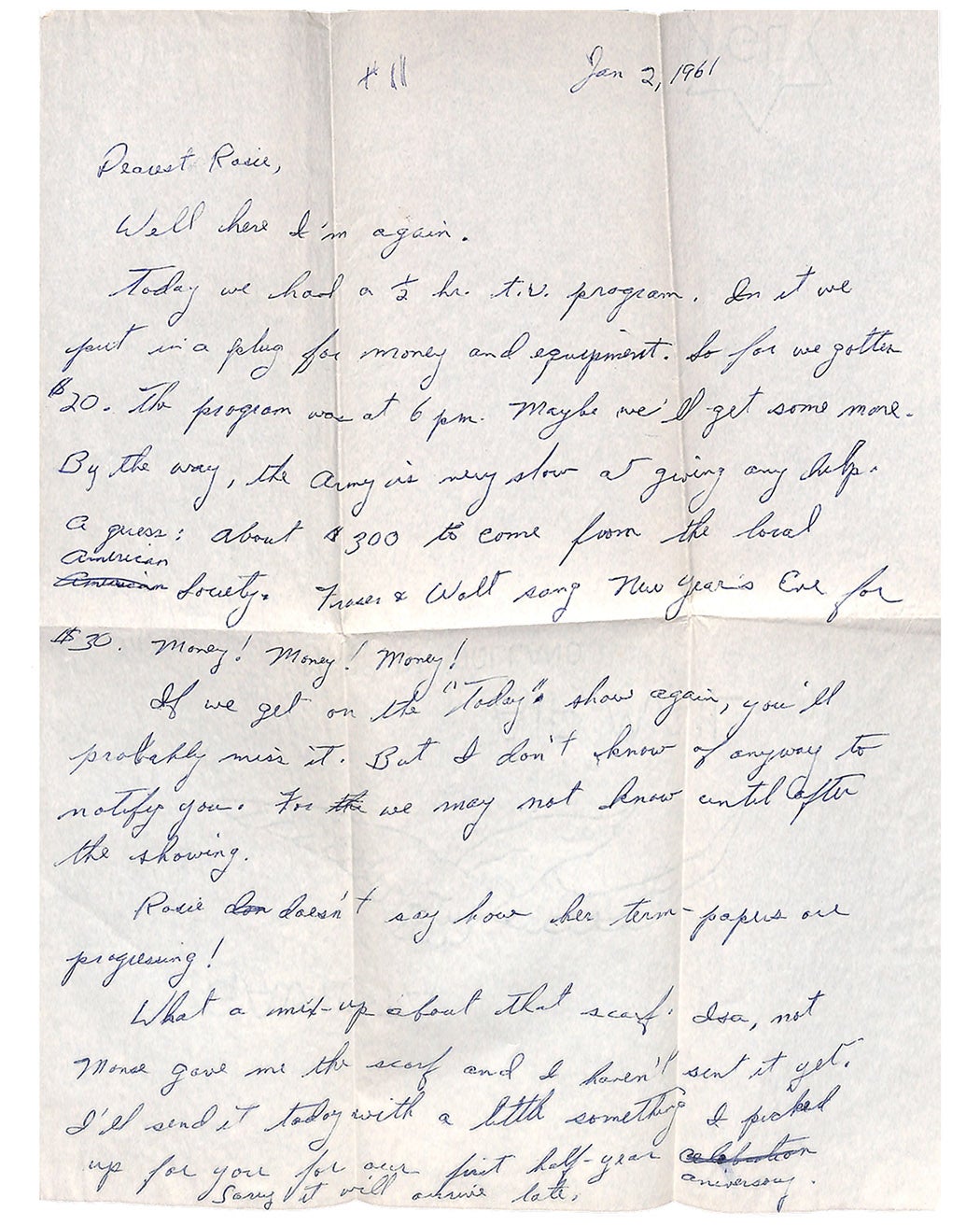
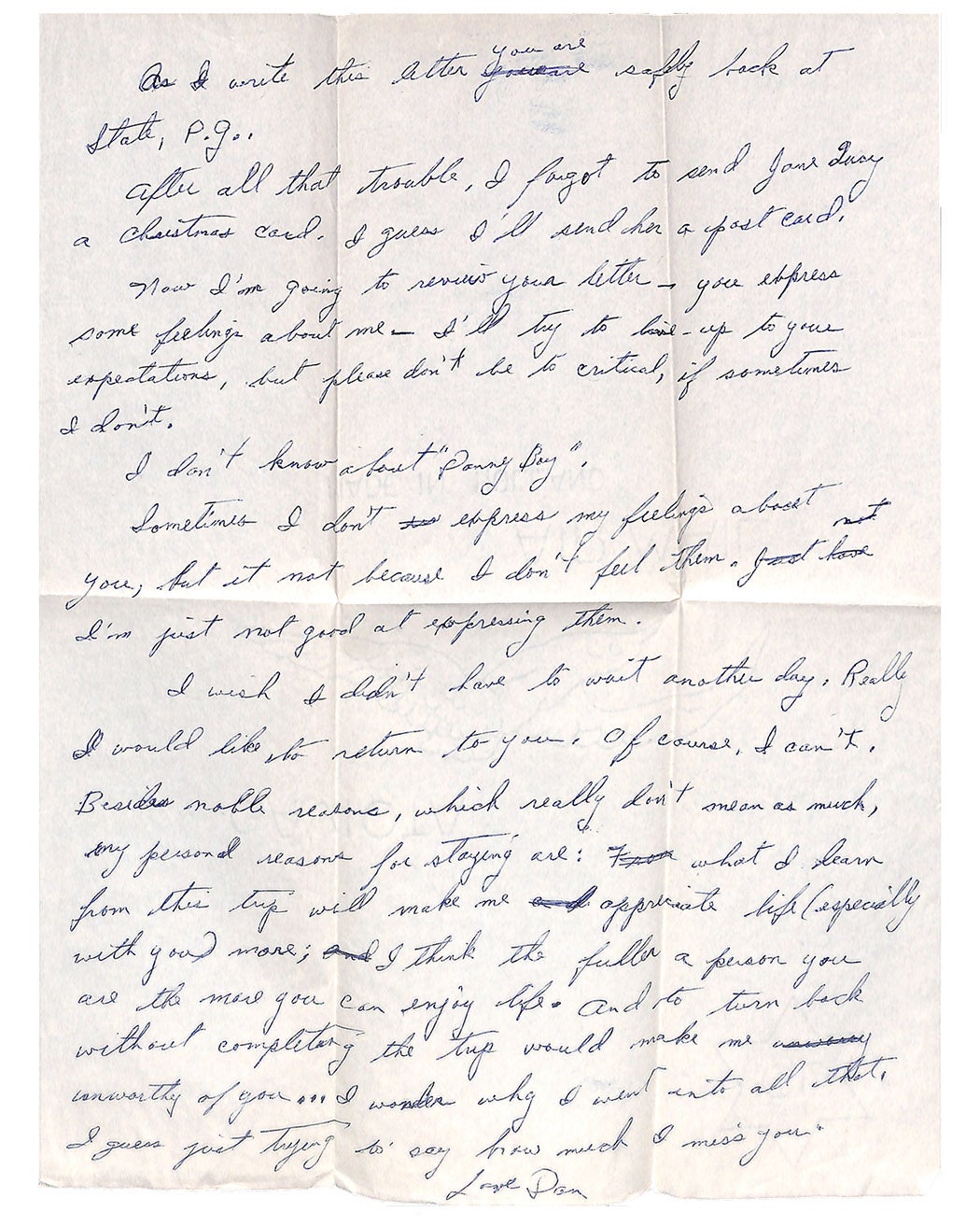
But to Feuerbach, Twomey confessed from Panama during a particularly challenging stretch of the trip that the “noble” reasons “really don’t mean as much.” “What I learn from this trip will make me appreciate life (especially with you) more,” he wrote. “I think the fuller a person you are the more you can enjoy life.”
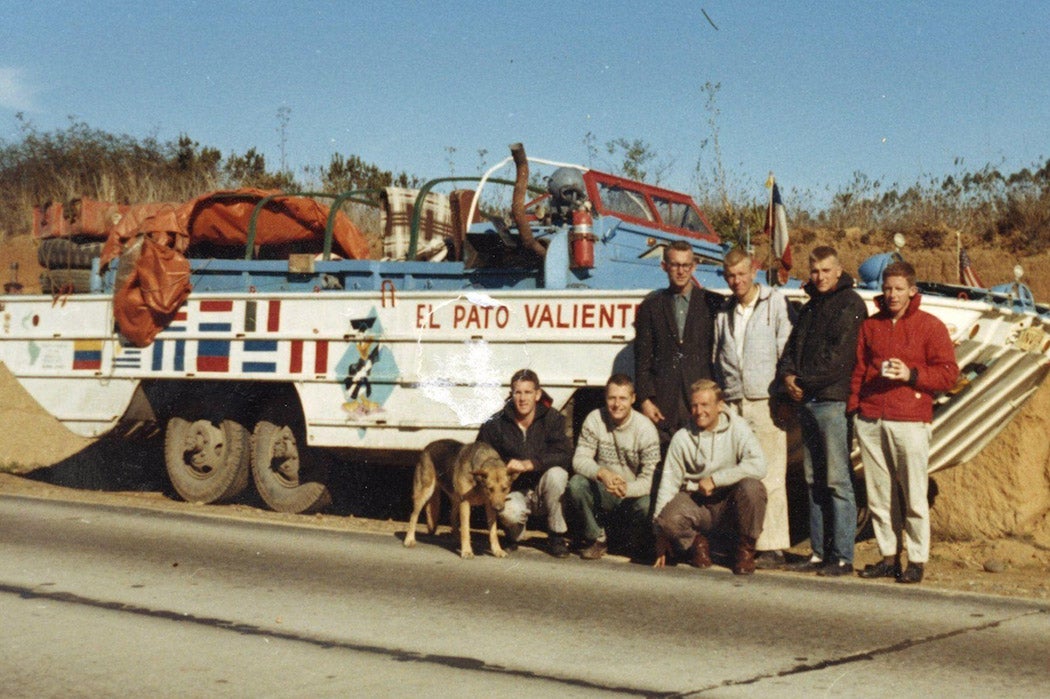
Their journey kicked off in August 1961 with a media tour, including an interview on Today. Over the next several months, the men and their DUKW—which was christened El Pato Valiente (“The Valiant Duck”) and painted with a cheerful Donald Duck in a mortarboard—would cross the United States, zigzag through Mexico, and ping-pong around Central America before finding themselves seemingly stuck in Panama.
Along the way, the men spent much of their time visiting college campuses, where they played guitar, performed silly skits, and challenged students on the basketball court. But Twomey credited most of the trip’s successes—and most of its troubles—to the DUKW itself.
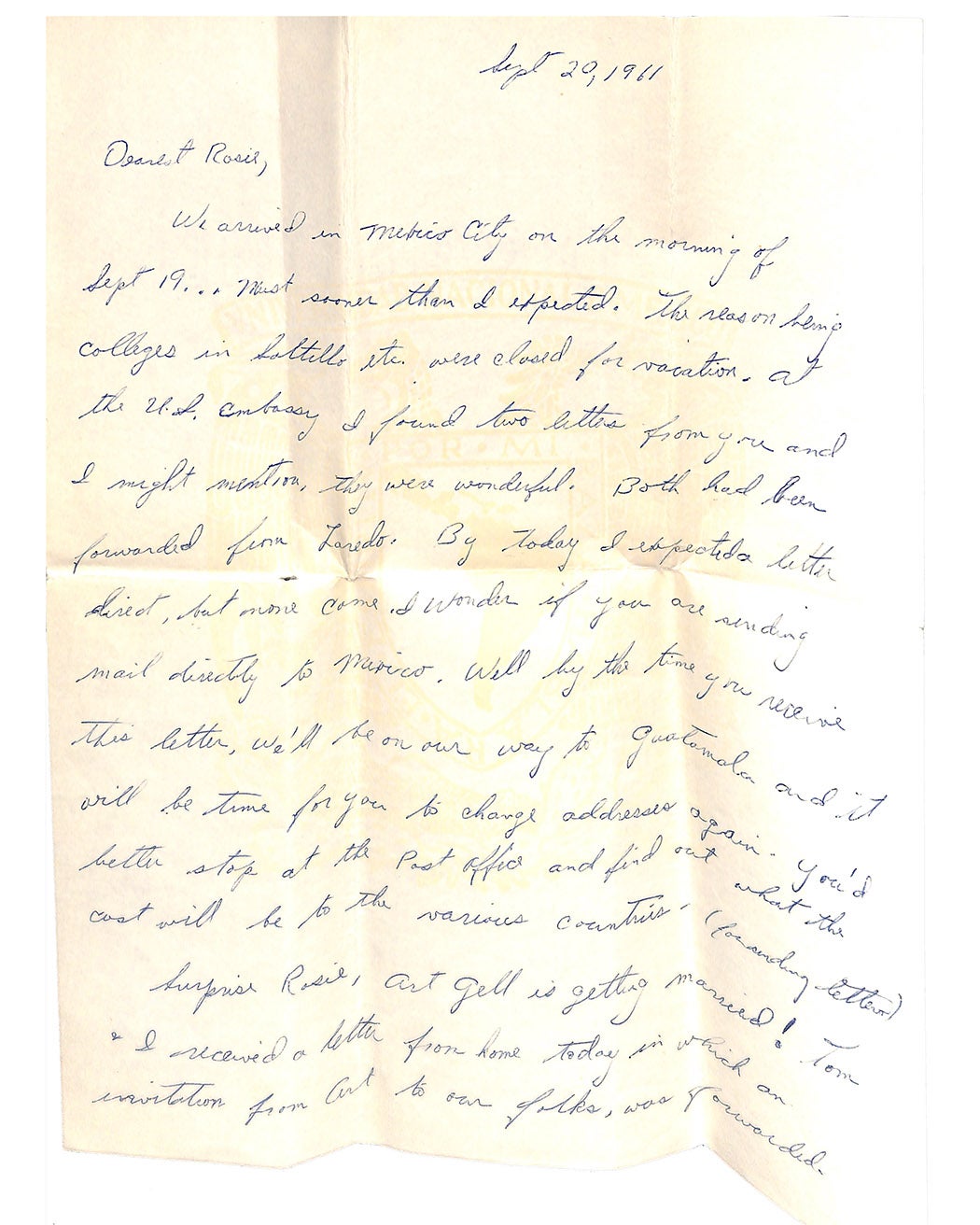
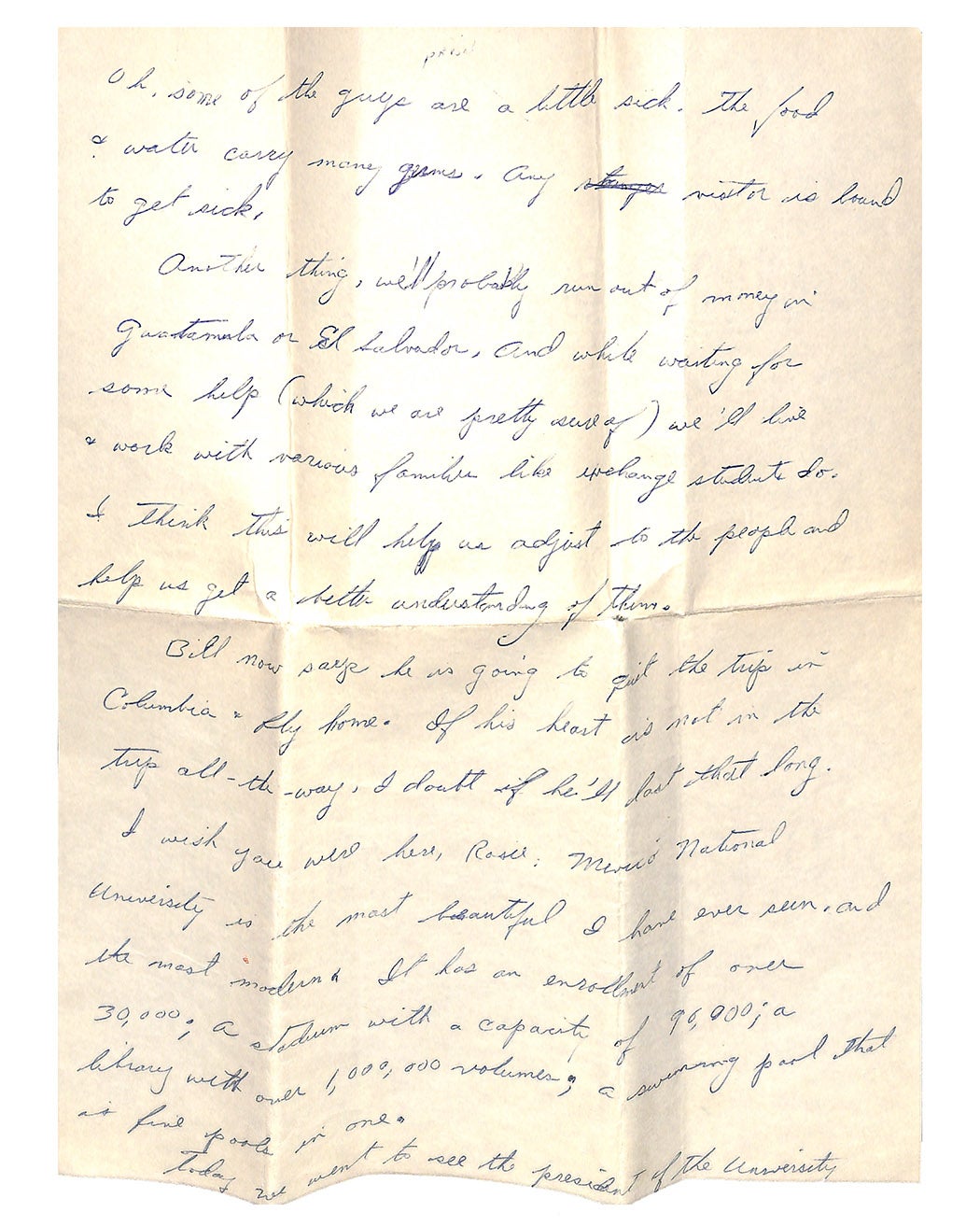
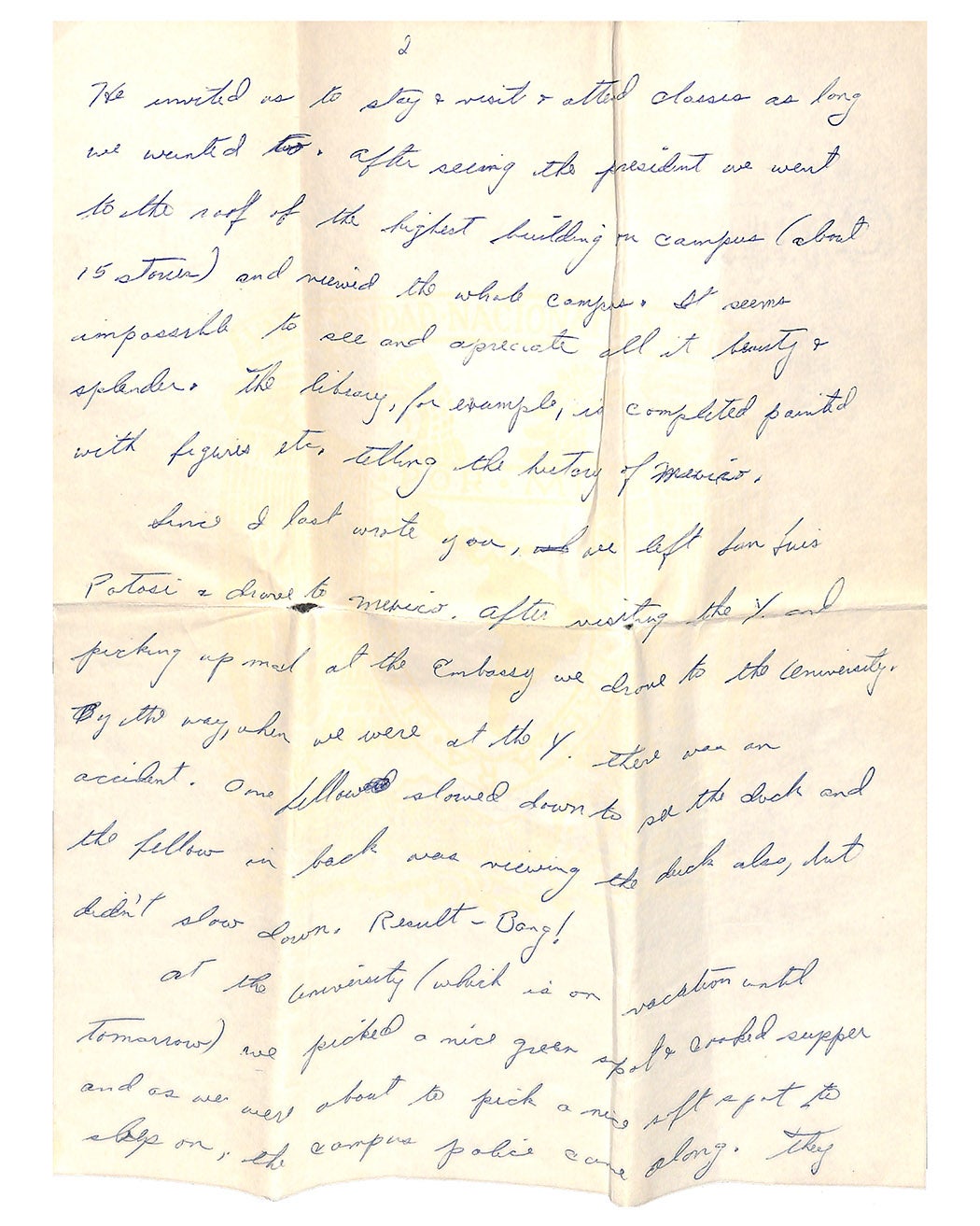
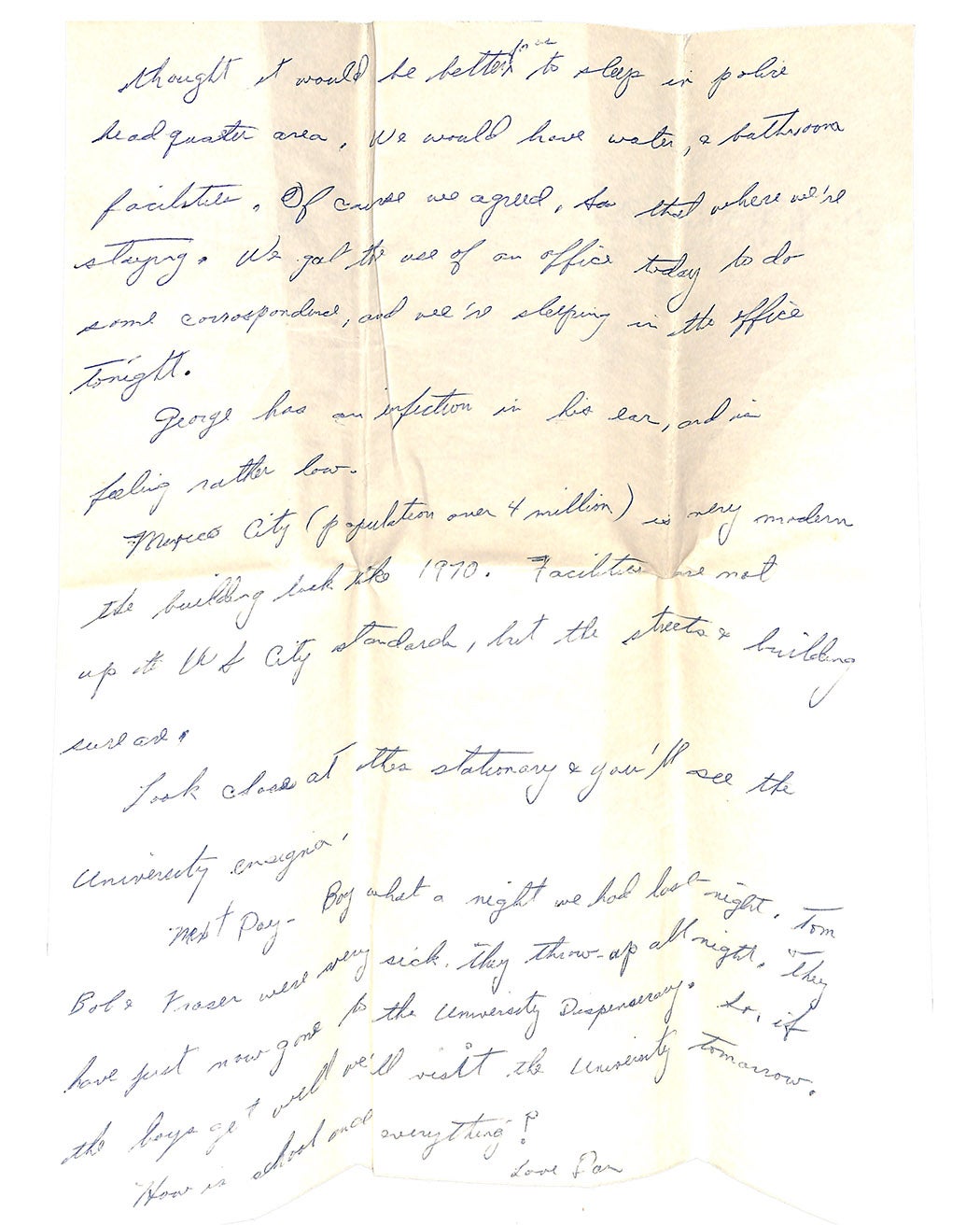
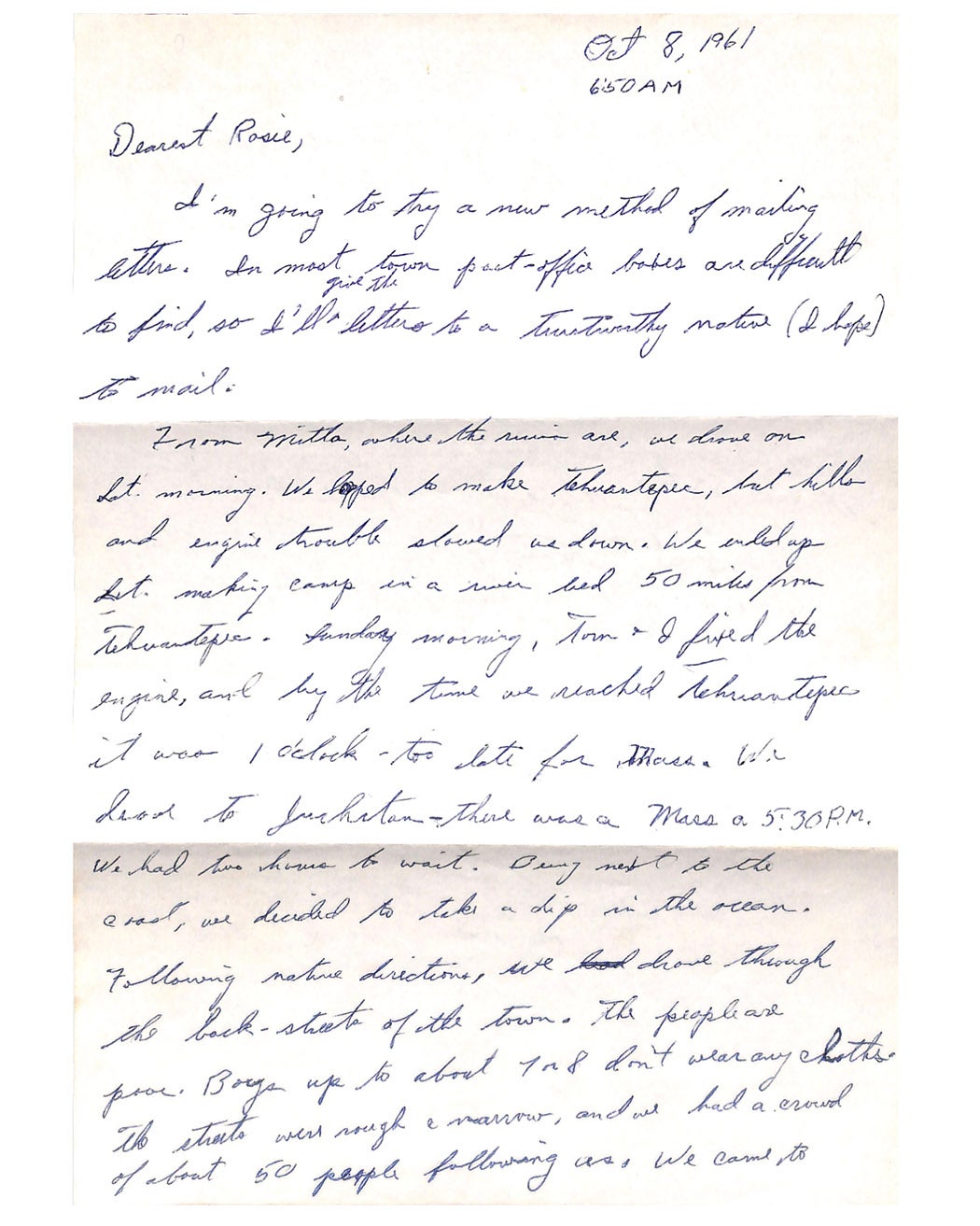
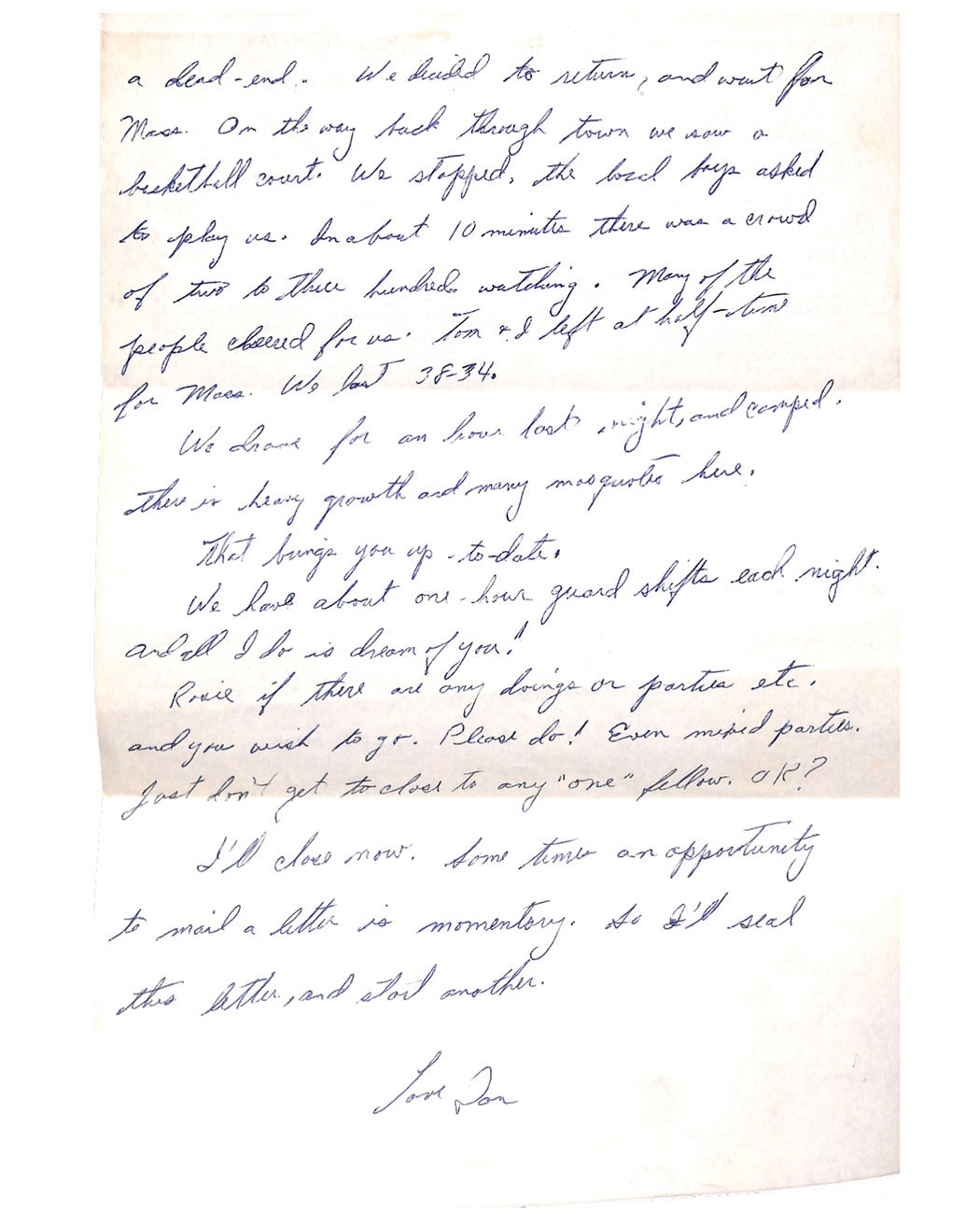
Everywhere they went, the odd vehicle attracted curiosity. In Mexico City, the sight of a boat with wheels caused a traffic collision: “One fellow slowed down to see the duck and the fellow in back was viewing the duck also, but didn’t slow down. Result—Bang!” In Juchitán, Mexico, it attracted a mob. As the men navigated the DUKW through the rough, narrow back streets of the community’s poor neighborhoods, “we had a crowd of about 50 people following us,” Twomey wrote to Feuerbach. When they stopped at a basketball court for an impromptu game, “In about 10 minutes there was a crowd of two to three hundred watching. Many of the people cheered for us.” (The DUKW crew lost 38–34.) By the time they reached Guatemala in mid-October 1961, Twomey reported that “people, crowds, unusual happenings are so commonplace, I feel like I’m repeating myself.”
Maintenance on the DUKW was also unfortunately commonplace. In the first two weeks of the trip alone, there was a brake issue in New Jersey, a flat tire in Indiana, and a busted fan belt in St. Louis. But the real trouble came just before Christmas, one hundred miles from Panama City, when a busted motor required the US Army to step in, towing the immobile vehicle to the Canal Zone.
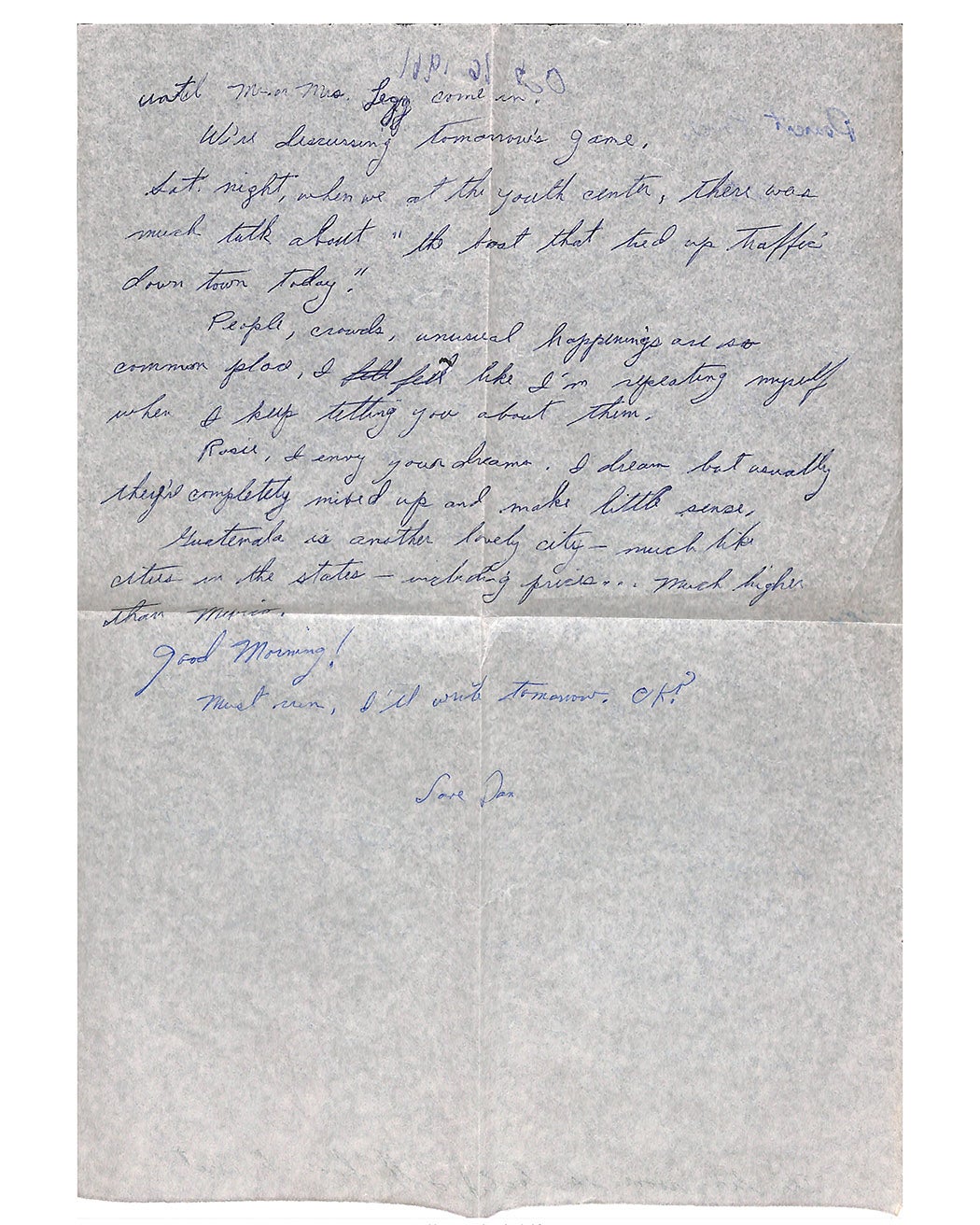
The men, the machine, and their mascot, a German shepherd named Robin who had joined the crew in Texas, would stay much longer than they intended in Panama. They needed to raise more money, first to fix El Pato Valiente and then for boat passage to South America, bypassing the impenetrable Darién Gap. In theory their duck could swim, but they’d been warned the waters would be too rough. Eventually, though, the men became impatient and decided to set off across the Caribbean to the northern coast of Colombia.
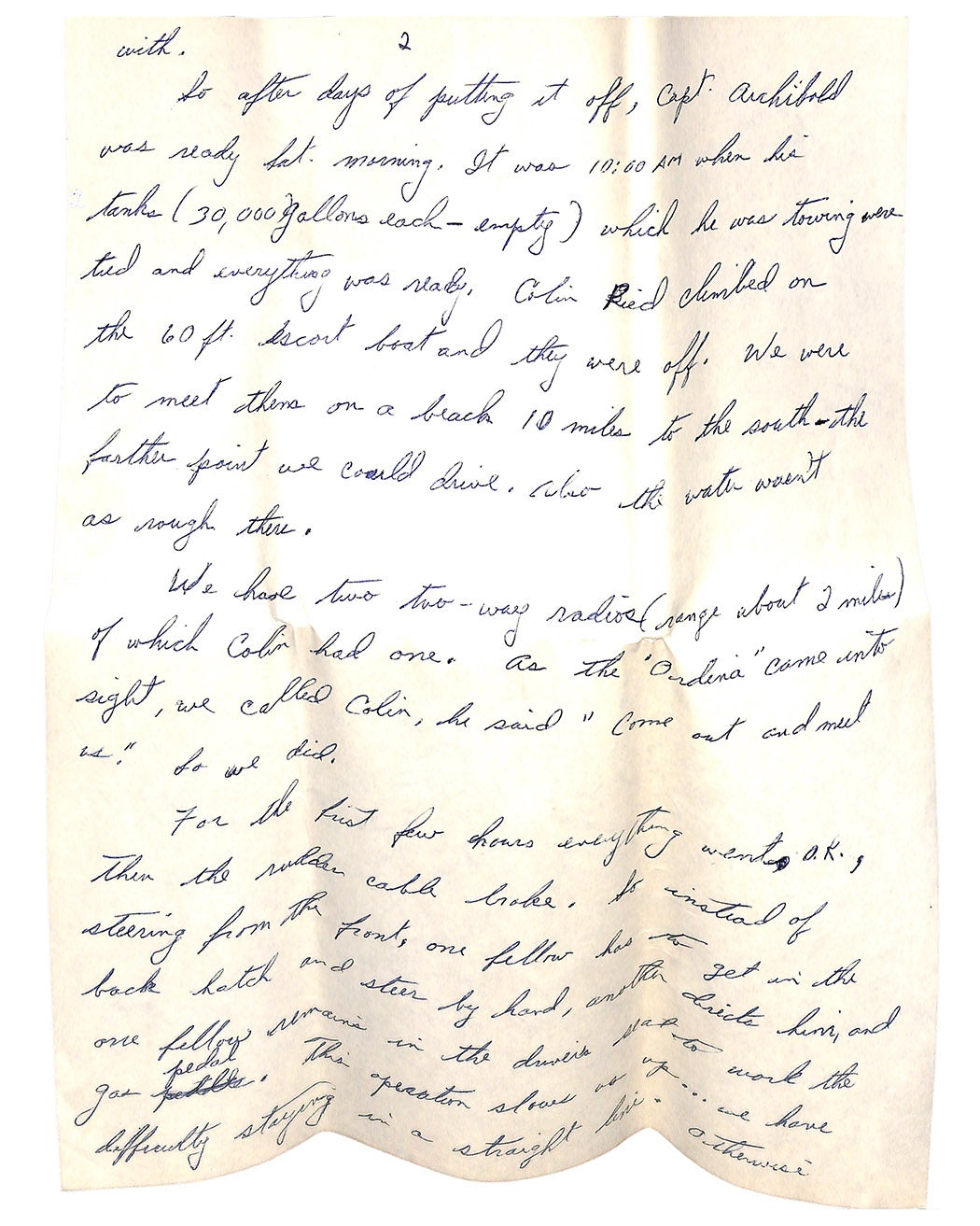
Their planned five-day voyage was doomed almost from the beginning. “For the first few hours everything went o.k.,” Twomey wrote. “Then the rudder cable broke.” The men had to steer by hand as waves washed over the DUKW, swamping the new motor and washing the survival gear overboard. Everyone was seasick, even Robin. They continued to limp along for a couple of days. “Then it happened,” Twomey wrote.
Weekly Newsletter
"*" indicates required fields
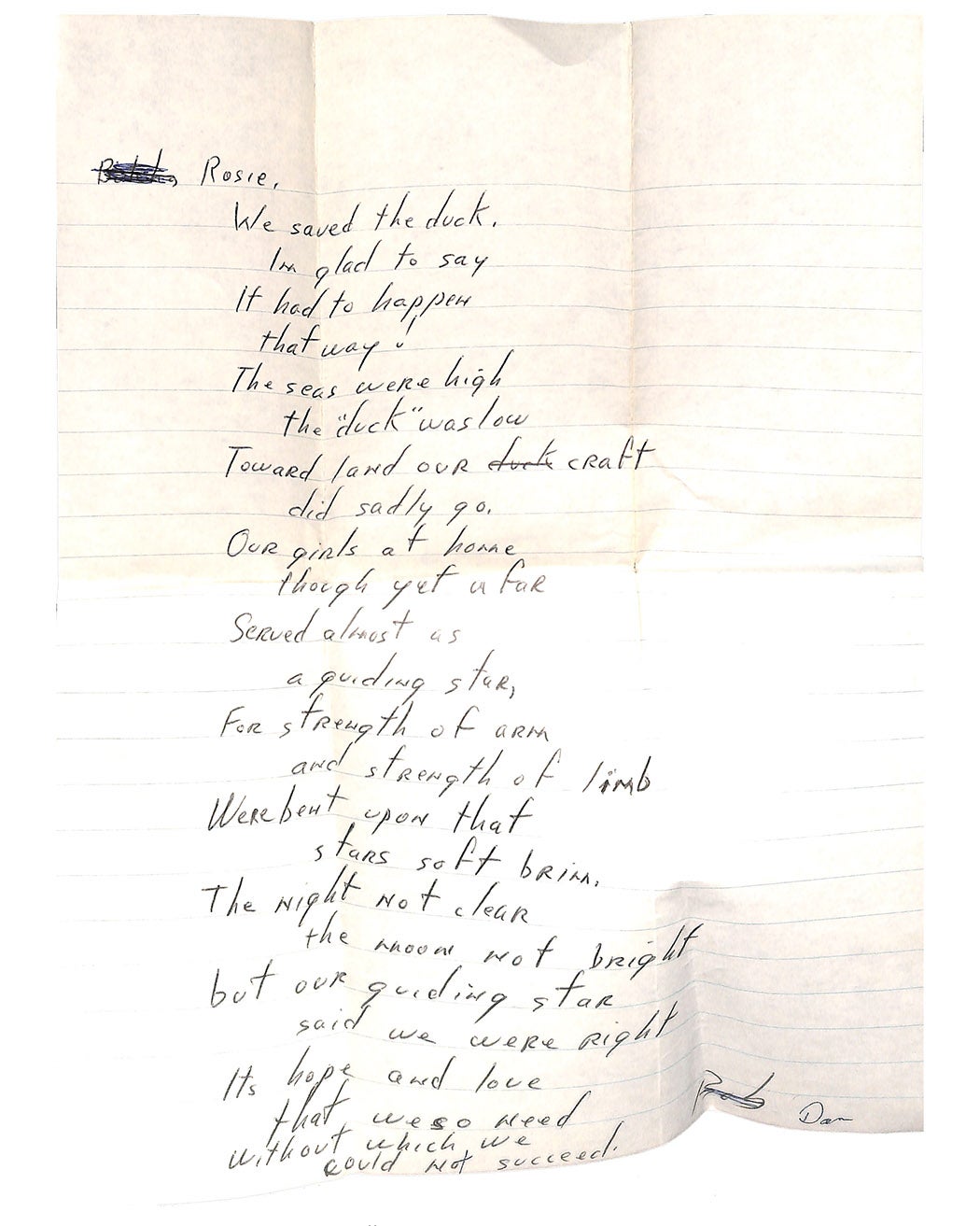
“A loud noise told us something had gone wrong (broken) with our propeller,” he wrote. They beached the DUKW on an island off the coast of Panama, where it would stay for a week—delaying the men still further, but attracting ever more publicity to their travels. It even caught the attention of President Kennedy, who assured one frantic parent that the US government would help her stranded son, despite the administration’s previous misgivings about the trip. With help, the men eventually made their way to Colombia, spending another five months touring South America before returning to the United States.
More than 50 years later, Matt Twomey told the story of this more-than-an-adventure in a documentary titled Duck Diaries: A Cold War Quest for Friendship Across the Americas. In interviews and images, the film brings to life the amazing stories in the Drew University archives. And it provides a lovely coda to the tale: the filmmaker is the son of Dan Twomey and Rosemarie Feuerbach, who married a year after Dan’s return. When Dan Twomey passed away in 2024, his obituary noted that his time on the DUKW and the couple’s correspondence through Operation Americas had, as Twomey had hoped in 1962, “set the tone for a life full of adventures and global interest and inquiry.”