South Africa’s constitution enshrines the rights of LGBTQIA+ people. And yet discrimination and violence toward queer and gender nonconforming people are widespread in that country. In Zulu communities, which are concentrated in the province of KwaZulu-Natal, many people view these identities as something foreign to their traditional culture. And the Zulu terms used to describe them, such as isitabane (plural izitabane), are widely considered offensive.
But Zulu gender and sexuality researchers Sizwesamajobe G. Sithole and Lindiwe Khuzwayo use those words to describe themselves. Working with anthropologist Maheshvari Naidu, they argue that using Indigenous terms can help situate queer identities within a decolonial framework.
Sithole, Khuzwayo, and Naidu set out to help reclaim Zulu words for queer and gender-diverse people, as well as spiritual aspects of those identities. They write that their interest in the topic stemmed partly from violent statements made by a former radio personality, Ngizwe Mchunu, who objected to izitabane marrying in traditional Zulu attire.
In fact, they write, it was colonial governments and Christianization that brought the widespread frameworks of anti-sodomy laws and the concept of sexual sin to African societies. Without arguing that it’s possible to go back to a precolonial worldview, they suggest looking at Zulu tradition for different ways of approaching sex and gender.
More to Explore

Anthropologists Hid African Same-Sex Relationships
In traditional Zulu spiritual practices, for example, men may be referred to as Gogo (grandmother) and women as mkhulu (grandfather), reflecting the embodiment of ancestors and spiritual power regardless of biological sex. And in one Zulu creation story, human beings originated in a cave, and the first person to come out of the cave was “ncukubili,” a term used for intersex people, and specifically for a person with both male and female genital organs.
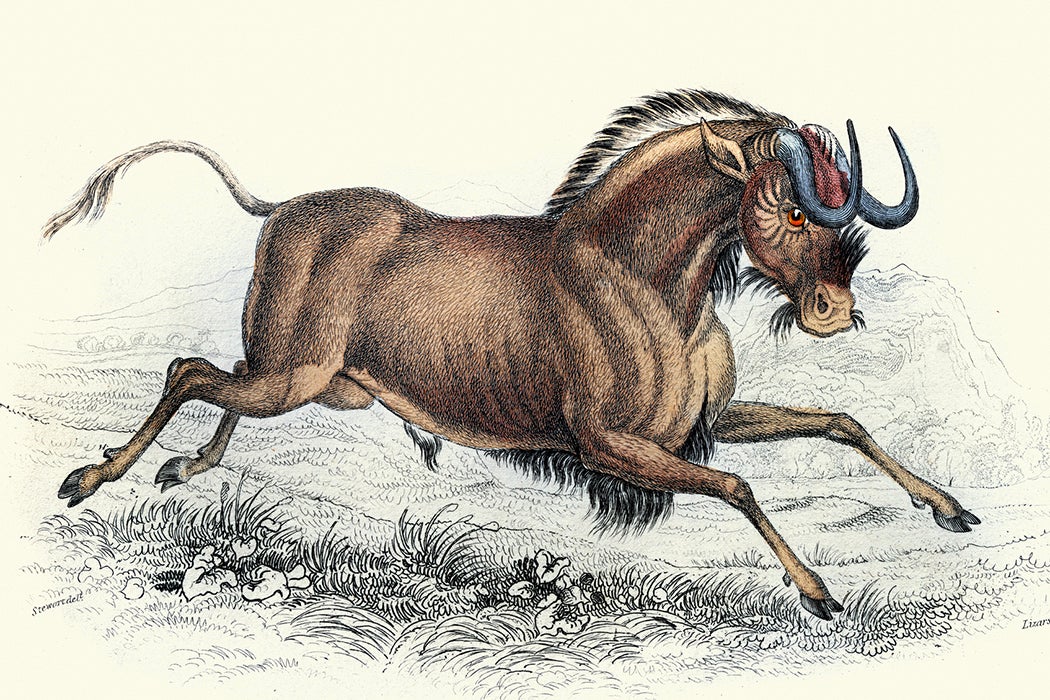
Like izitabane and ncukubili, other terms related to gender and sexual differences are often used in insulting ways. This includes “ungquingili,” a term that suggests disability based on being born with atypical sex characteristics, and “inkonkoni,” the name of a species of wildebeest known to engage in male-male sex acts.
Weekly Newsletter
"*" indicates required fields
Yet some queer and transgender people the authors worked with saw themselves in these terms. One trans man referred to himself as an “Inkonkoni,” saying that someone unfamiliar with wildebeests may mistake one for a cow, but “the moment they see a real wildebeest, they will realize that it is a wild animal.” He used this analogy to describe his experience being visibly out of place in girls’ spaces as a child.
While other LGBTQIA+ people may find such terms painful to use, Sithole, Khuzwayo, and Naidu argue that they can help situate such identities in decolonial terms that focus less on individual autonomy and more on relationships among living people, ancestors, land, and the more-than-human world.
“The appropriation of these gender terms moves power from the perpetrators who use these names to shame and dehumanize izitabane,” they write.