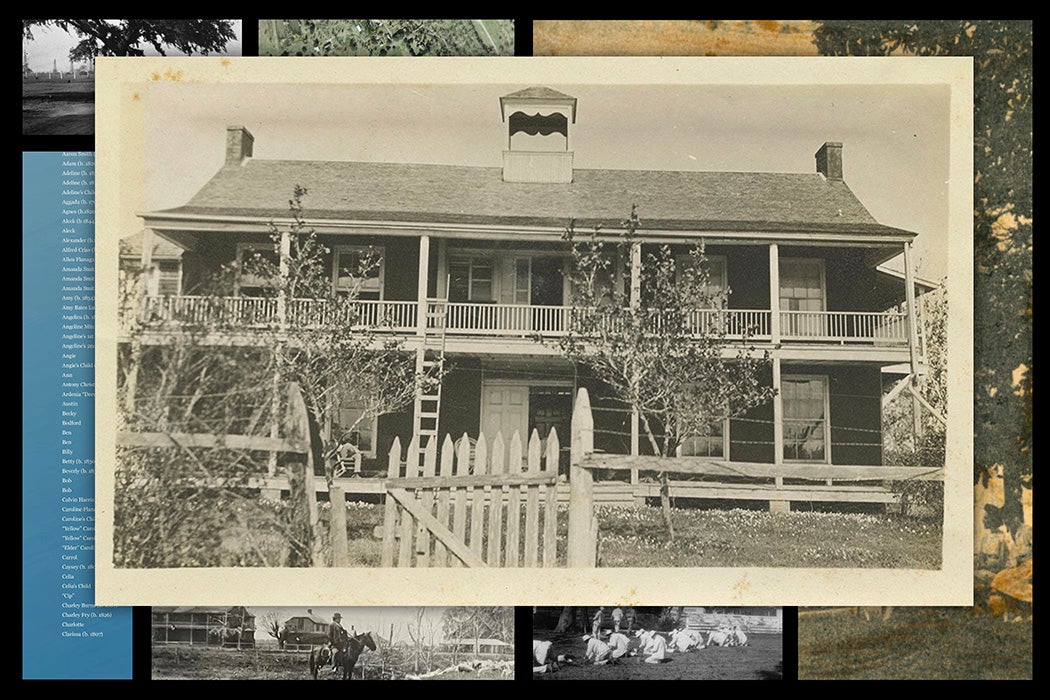
The history of plantations across the southern United States is inseparable from one of the darkest chapters of American history—slavery. These sprawling estates, often characterized by grand plantation houses and agricultural buildings, typically produced crops like tobacco or cotton, and depended on enslaved labor until the Civil War.

Rice University’s Archaeology Project at the Varner-Hogg Plantation in Brazoria County, Texas, brings a community-oriented approach to studying and documenting this dark period of history. Conducted in cooperation with the Texas Historical Society, the project focuses on the lives of the enslaved and incarcerated people who labored at the plantation in the nineteenth and twentieth centuries. Local residents were invited to observe the excavation, ask questions, share their knowledge, and engage with archaeologists and their students during the work.
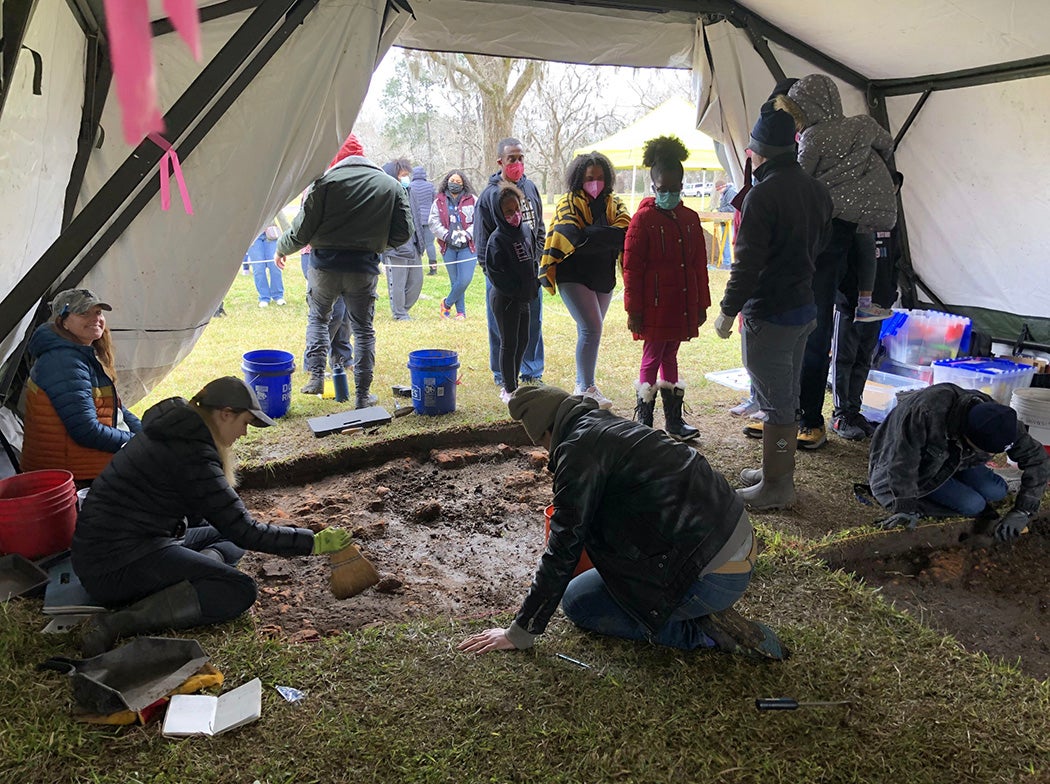
Community archaeology like this aims to make archaeological knowledge accessible beyond the researchers working in the field. By engaging local communities, it encourages dialogue and a broader understanding of the past. As archaeologist Yvonne Marshall emphasizes, community archaeology “is the only way that indigenous people, descendant communities and other local interest groups will be able to own the pasts archaeologists are employed to create.”
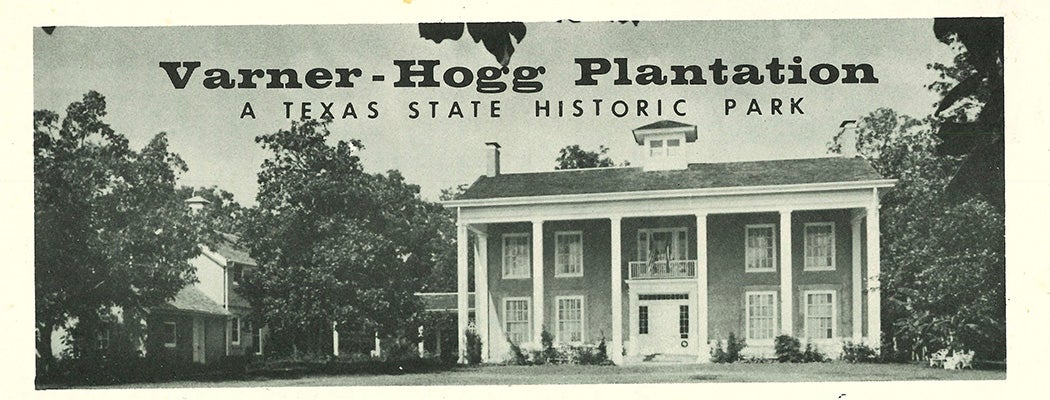
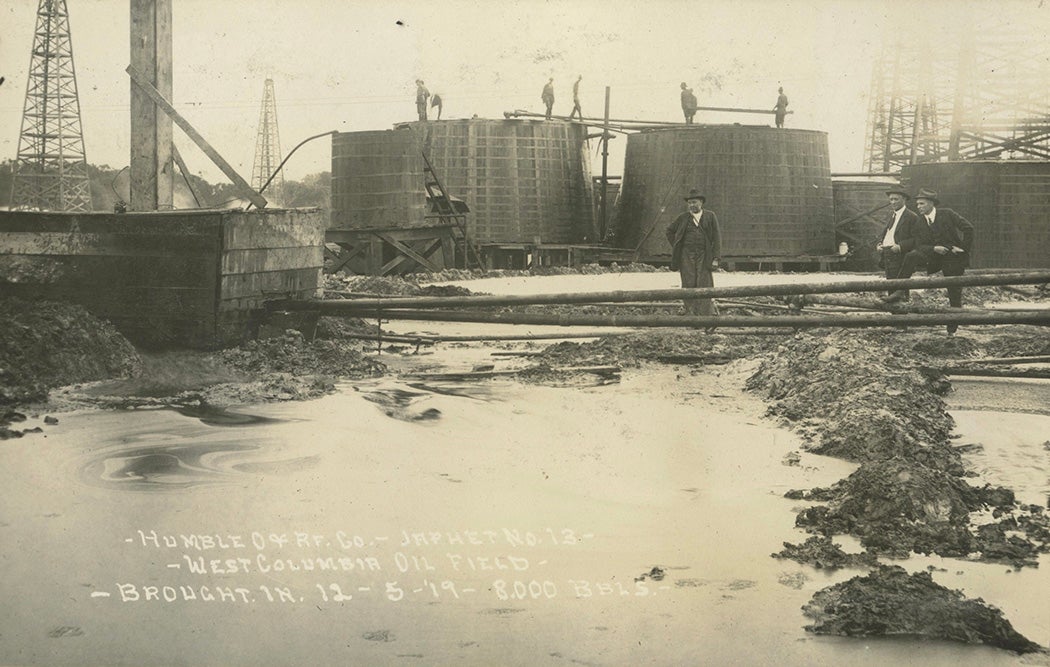
Prior to Rice University’s archaeological work, the history of the Varner-Hogg Plantation was largely told through the restoration and development of the property as a historic site in the 1950s and 1960s, under the direction of Ima Hogg. Hogg was the daughter of former Texas governor James Stephen Hogg, who purchased the property in 1901, believing that the land held large amounts of oil. He was correct, although oil wasn’t found until nearly fifteen years after his death in 1906. Following the conventions of the time, Ima restored the home with each room decorated to celebrate a different period of Texas history.
The history of the Varner-Hogg Plantation begins in 1824 when Martin Varner settled the property through one of the land grants offered by Stephen F. Austin between 1823 and 1825. Varner sold the property ten years later to Columbus R. Patton. Known as the Patton Place for the rest of the nineteenth century, the plantation expanded significantly under the Patton family through the labor of enslaved people. At its peak, over 100 enslaved people were forced to work at the site. They built numerous buildings, including the plantation house and their own living quarters, as well as structures such as a smokehouse and sugar mill.
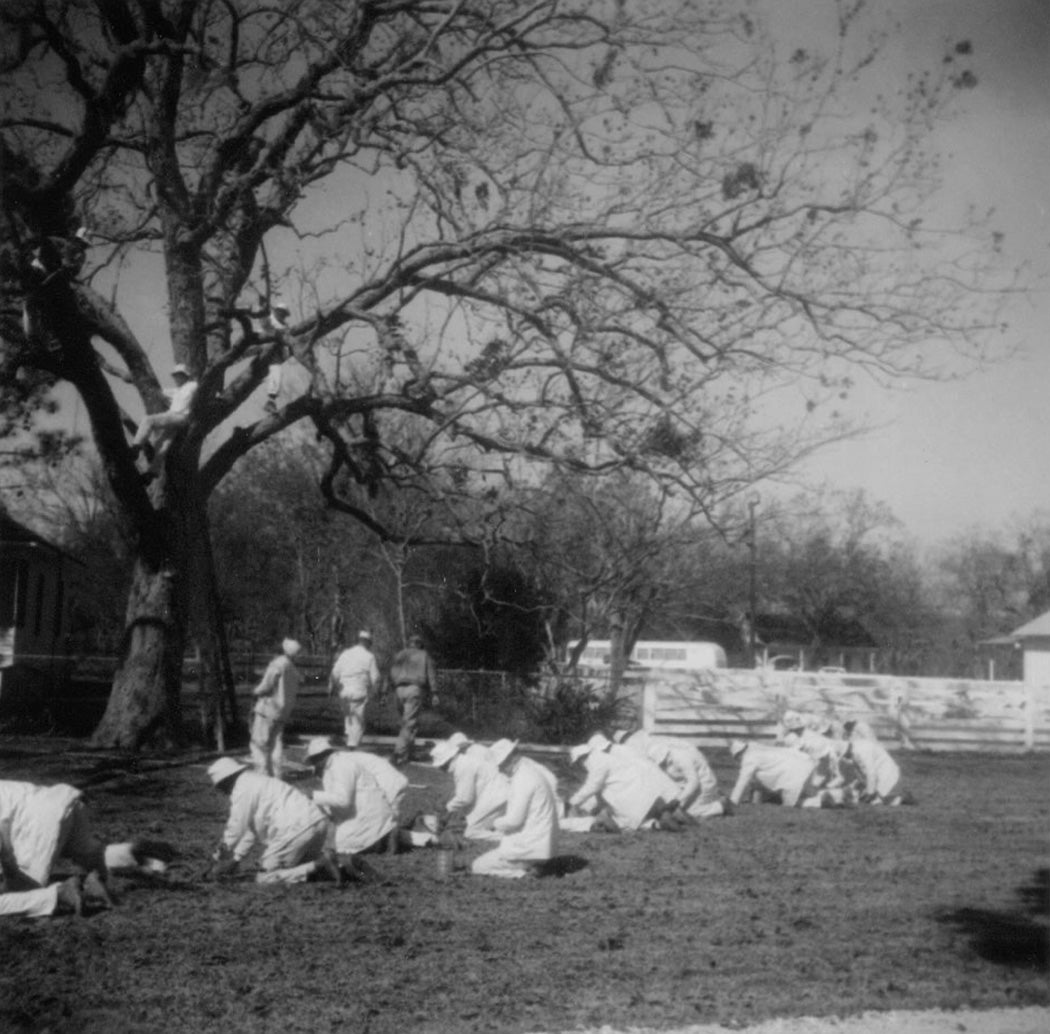
The Patton family sold the plantation in 1869. The new owners soon began to use incarcerated labor to operate the plantation, but that arrangement ended in 1875 when state investigators documented the “particular cruelty” with which incarcerated laborers were treated at the site. It would not be the only time inmates were used as a labor source on the plantation. The property changed hands several times over the rest of the century until former governor Hogg purchased it in 1901.
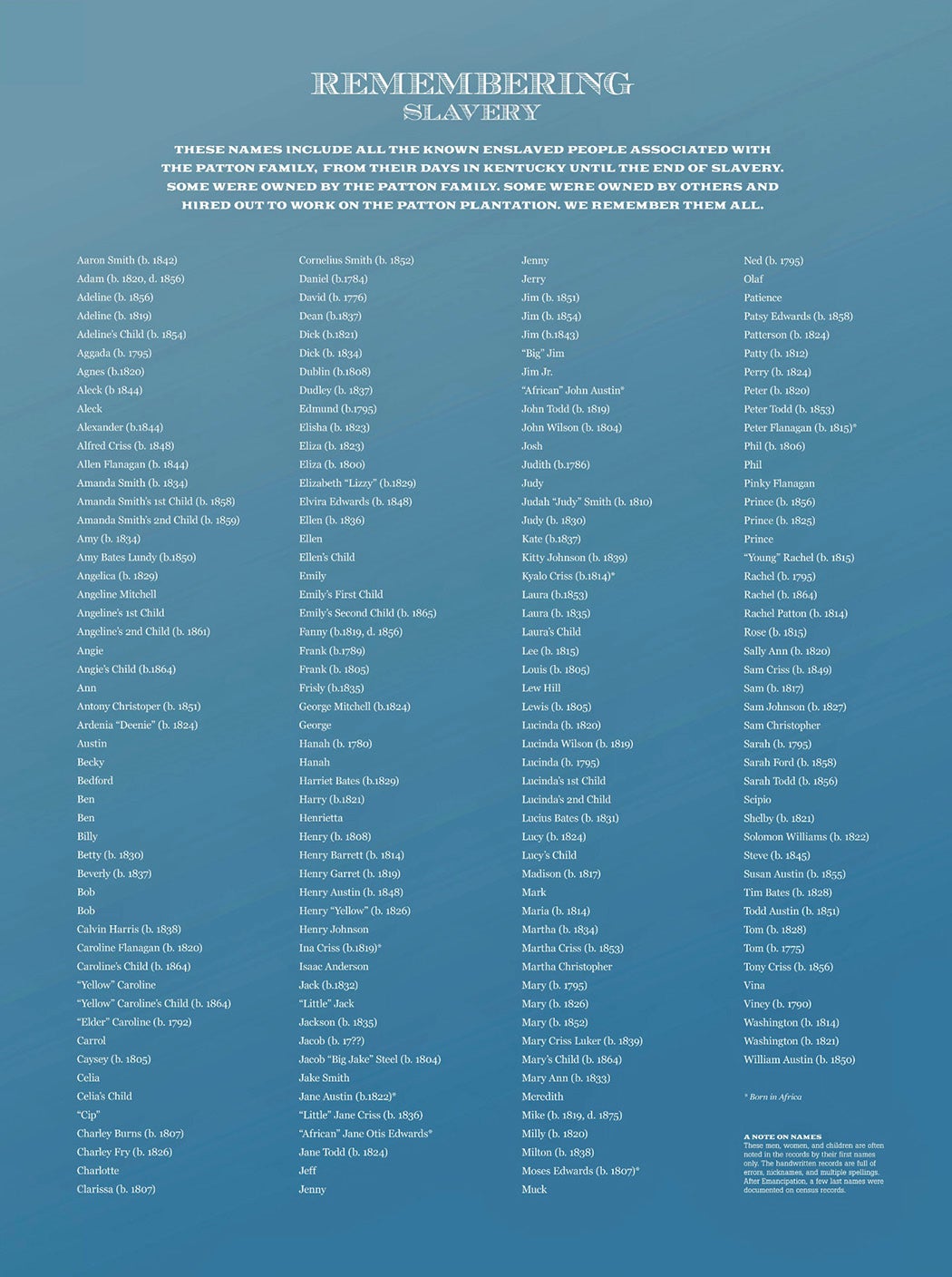
In the late 1950s, Ima Hogg donated the plantation to the State of Texas as a historic site. But her restoration largely overlooked the history of the enslaved people forced to labor there. While her notes from the time included research questions about slavery at the plantation, Hogg chose to exclude that history from the restoration project. Historian Lonn Taylor explains that “Hogg believed that African Americans were not interested in the history of slavery and that any mention of the subject was an embarrassment to them. As a result, slavery was omitted from her original interpretive plans at Varner Plantation.” At the time, plantation histories commonly centered on white owners and their experiences, leaving the lives of enslaved people largely untold.
Weekly Newsletter
"*" indicates required fields
In their analysis of community archaeological projects focusing on the African diaspora, scholars V. Camille Westmont and Elizabeth Clay note that the shift toward community archaeology did not happen by chance. They write that “[w]hile archaeologists studying plantations made an early shift in focus away from elite whites and towards enslaved African populations, it was not until the growth of critical archaeology and the passage of the Native American Graves Protection and Repatriation Act (NAGPRA)—both in the 1990s—that calls to bring community stakeholders into research projects became commonplace.”
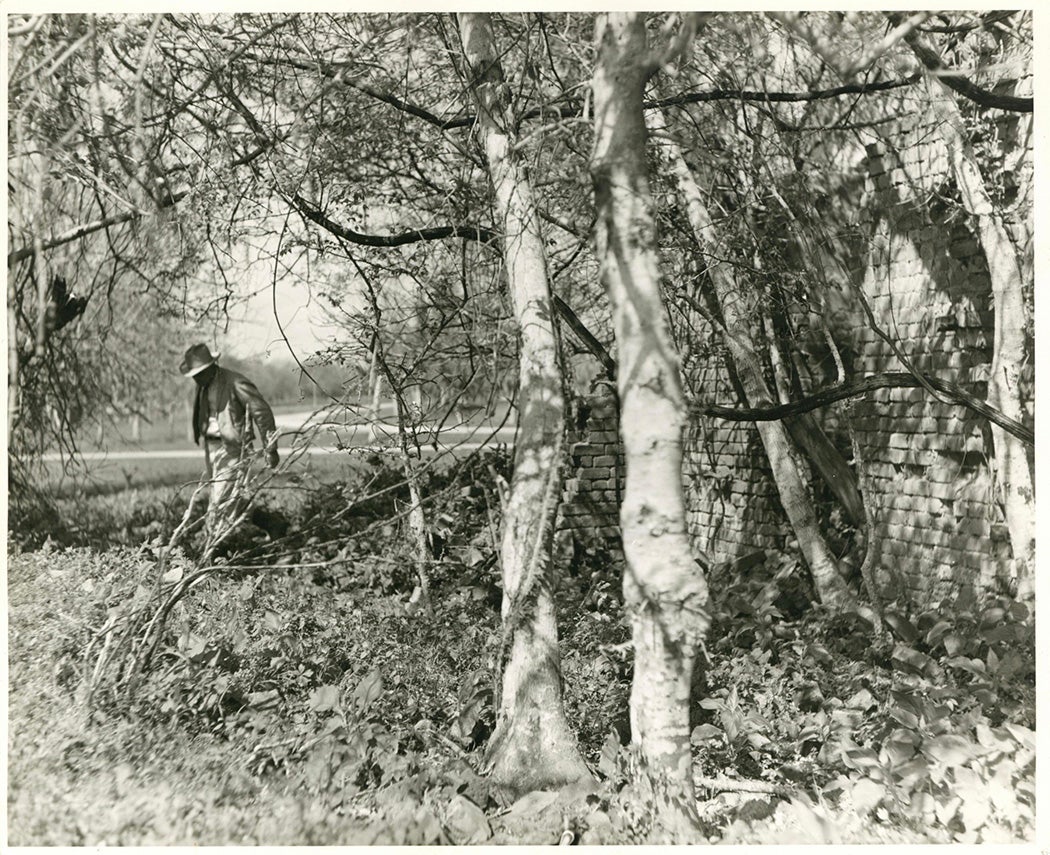
Rice University’s Archaeology Project encourages local communities and tourists to engage with this dark chapter of history in a more open and thoughtful way. Reflecting a broader shift toward community engagement in archaeology, the project seeks to deepen public understanding of the legacy of historic sites like the Varner-Hogg Plantation.