The icon indicates free access to the linked research on JSTOR.

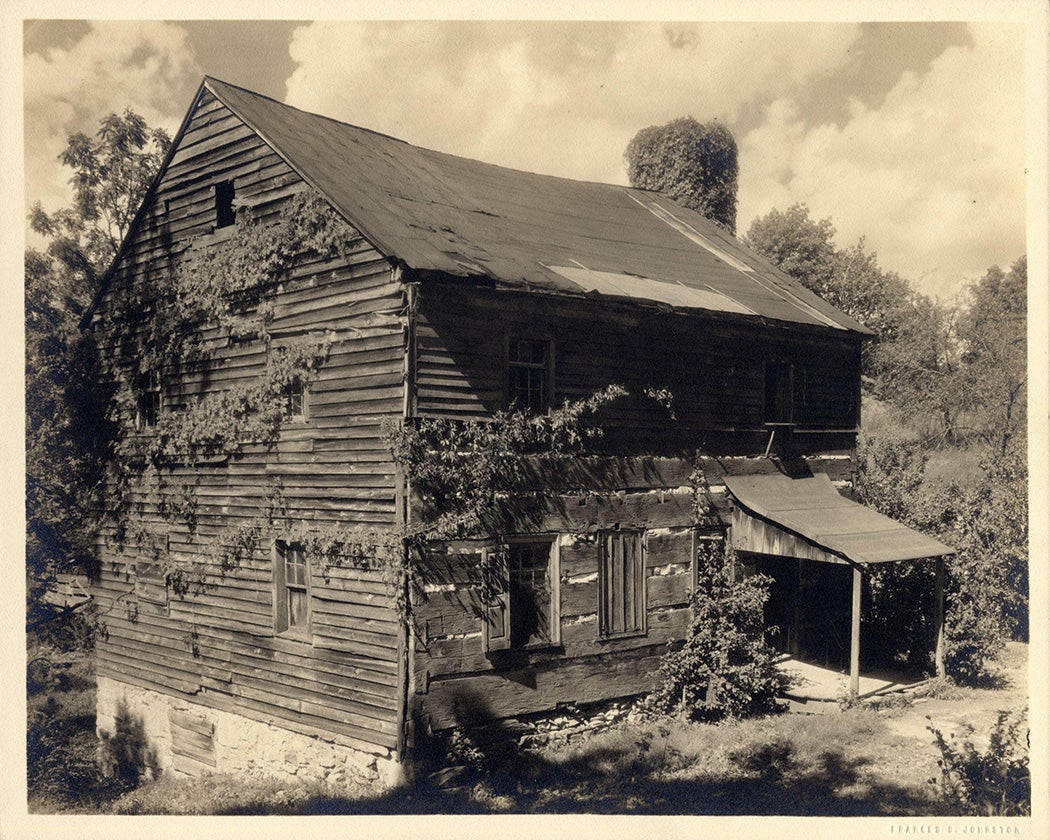
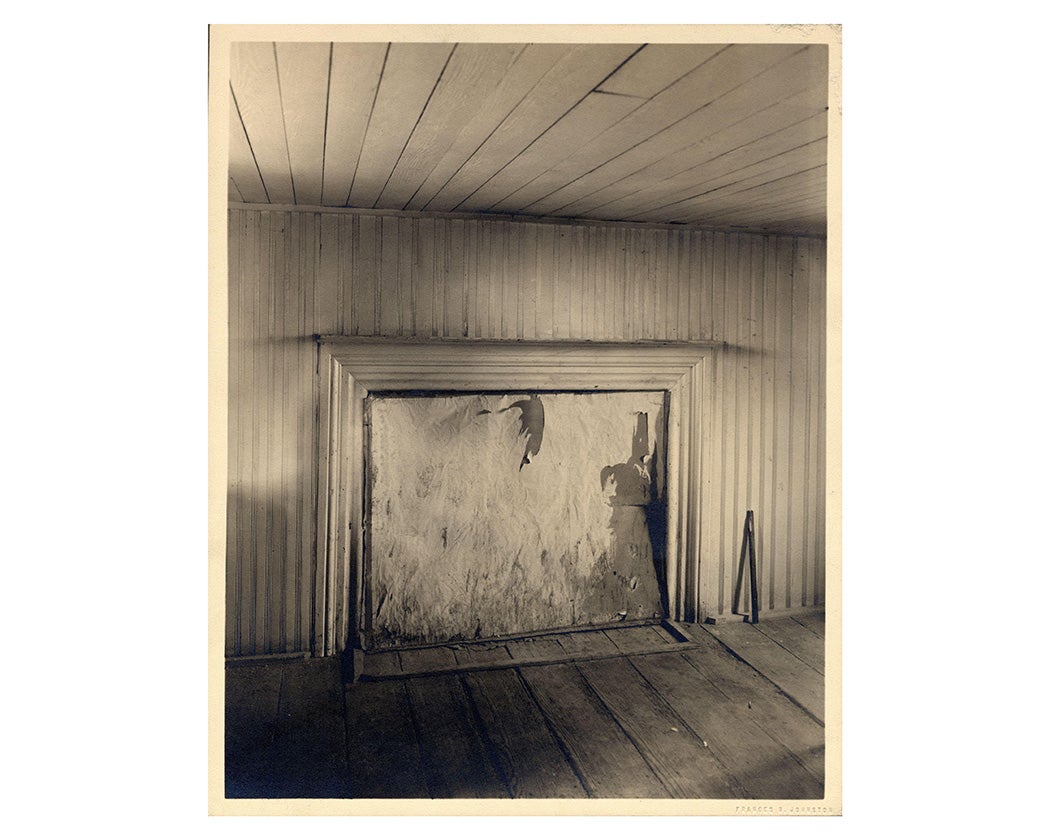
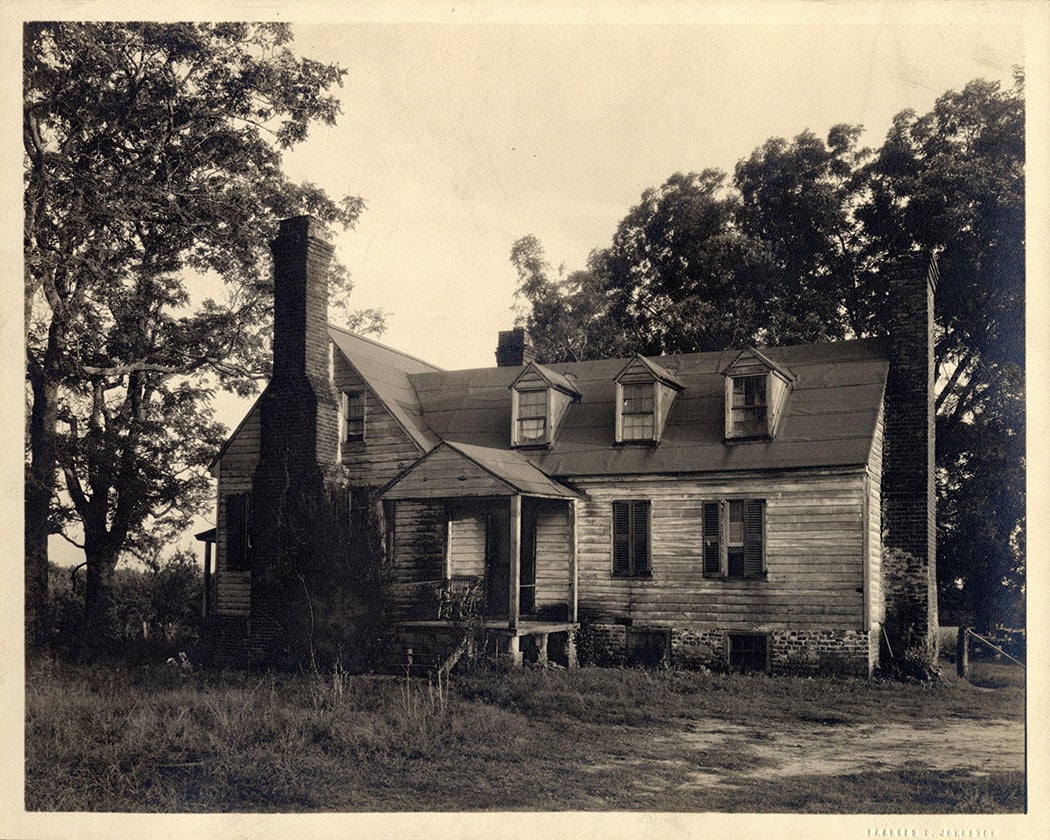
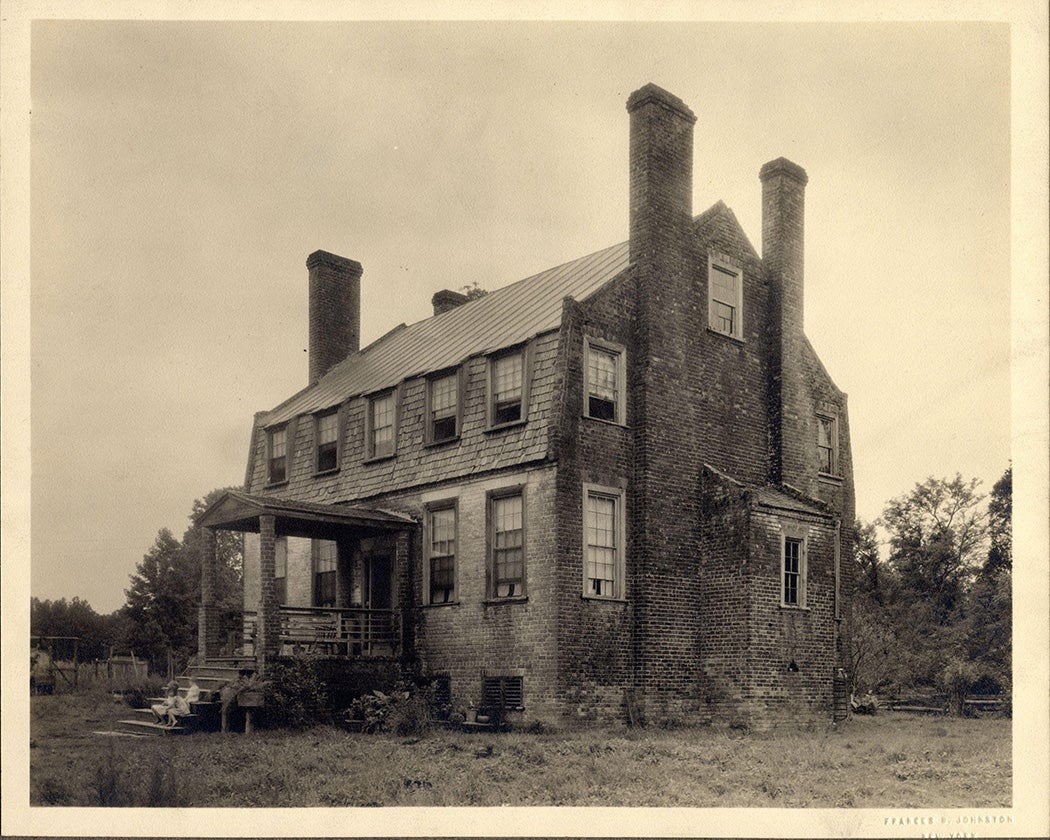
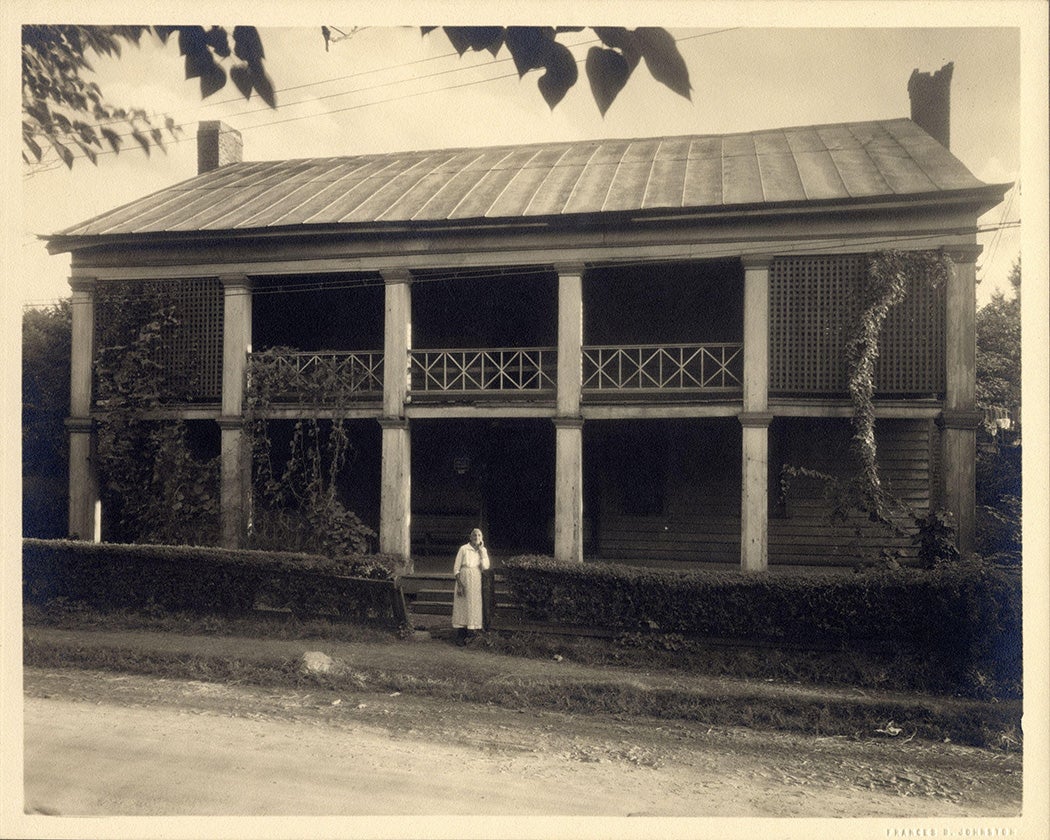
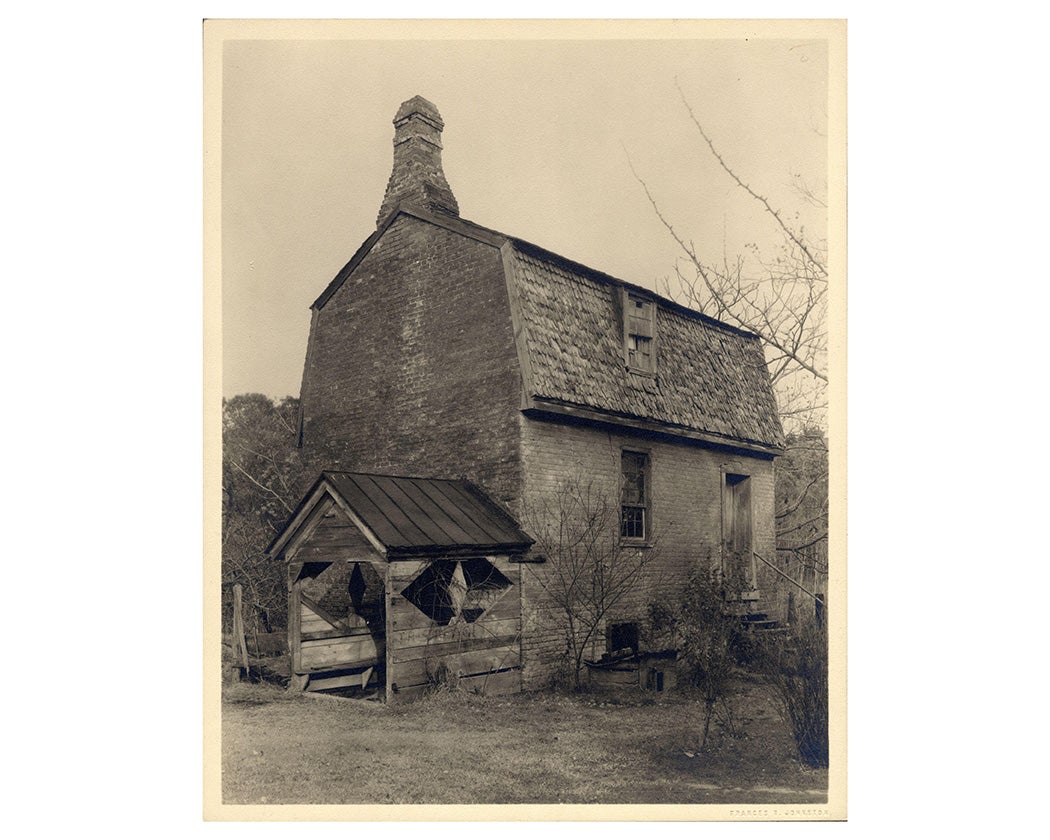
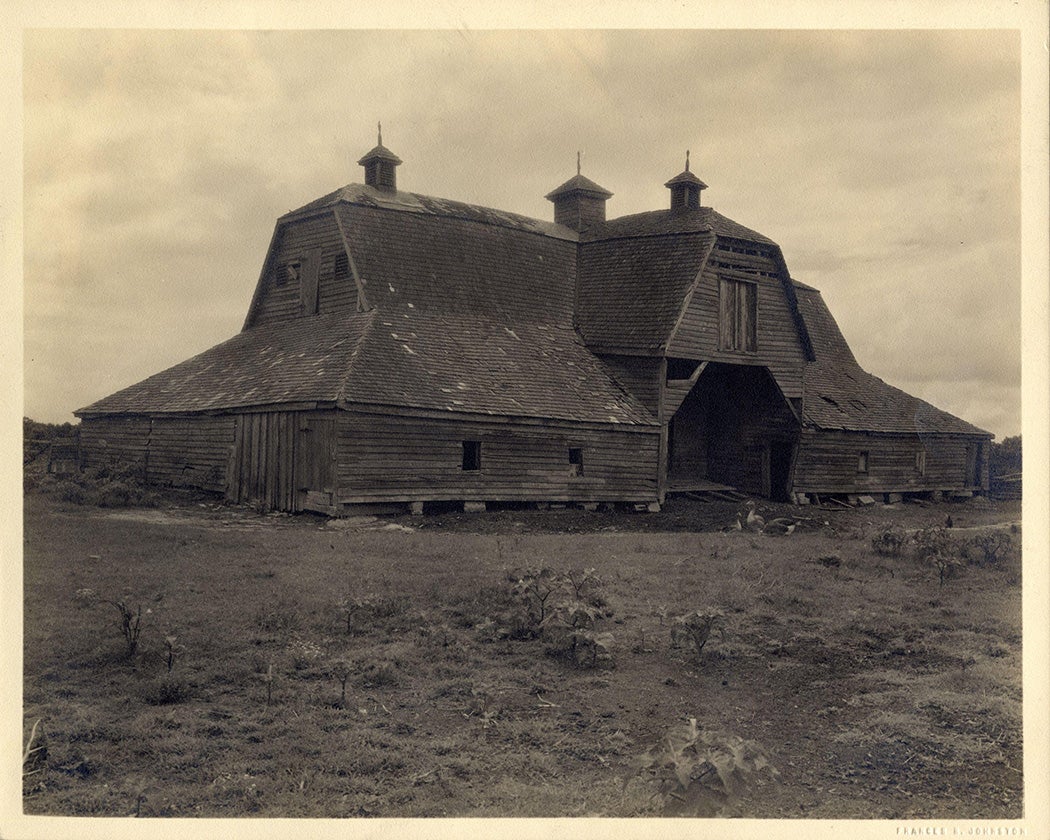
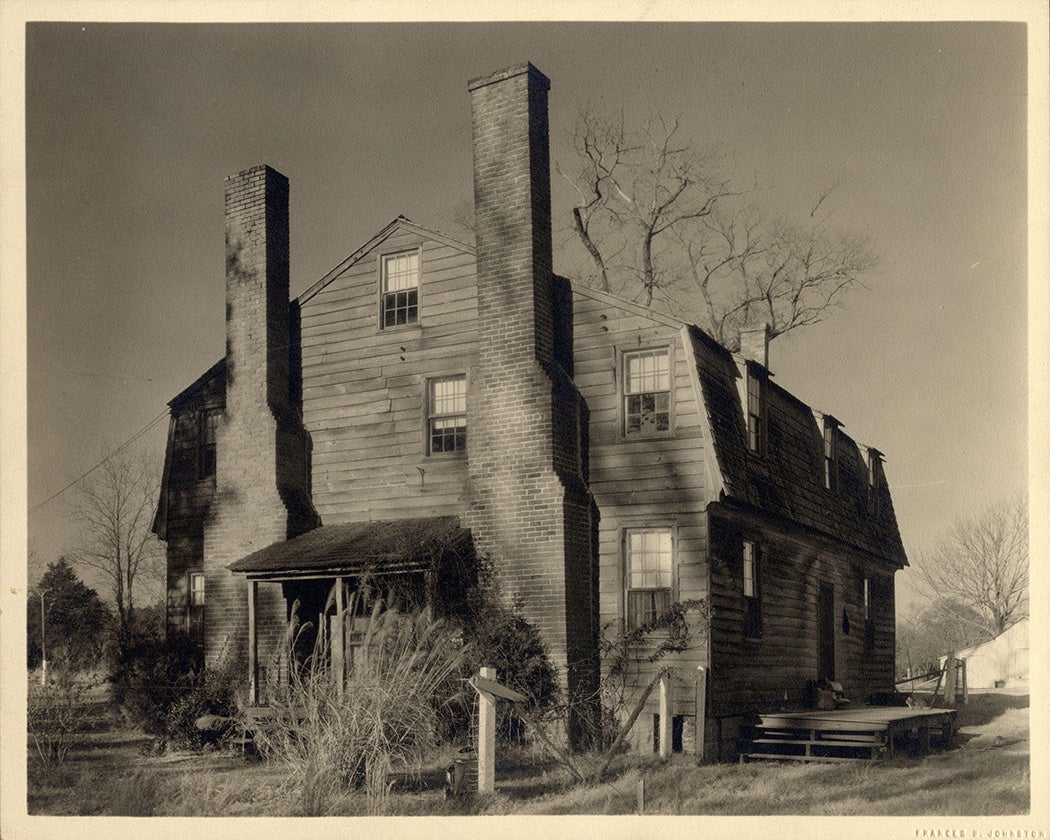
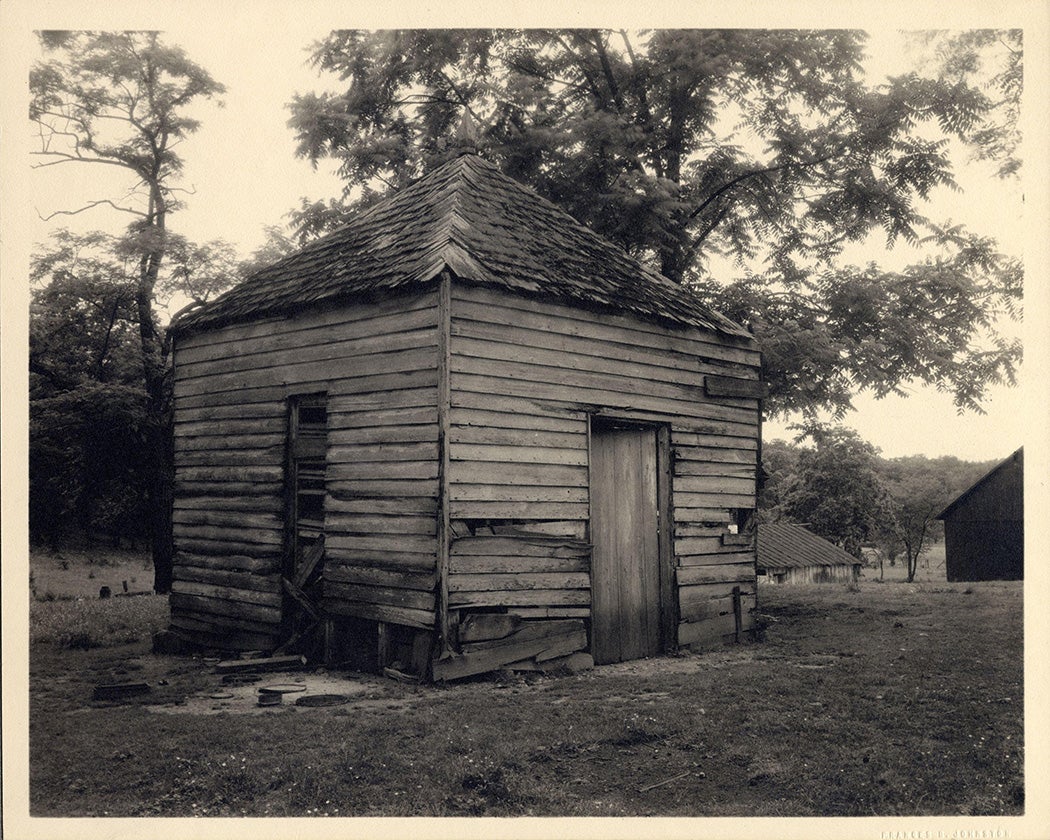
Frances Benjamin Johnston (1864–1952) is considered one of the great women photographers in American history. She made a name for herself as the first established woman photographer in Washington, DC, where she was raised and where she established her first studio in 1894. That same decade, she began working as a photojournalist, with her images appearing in publications like Ladies’ Home Journal and Demorest’s Family Magazine. Later in her career, Johnston turned her eye to vernacular architecture, capturing a quickly disappearing built landscape.


“JPASS”“JPASS”

A commission to document Chatham Manor in Fredericksburg, Virginia, drew Johnston’s attention to vernacular architecture. After renovating and restoring their estate in the 1920s, General Daniel Bradford Devore and his wife, Helen Stewart Devore, commissioned Johnston to photograph the property. By this point, Johnston had already photographed other grand American estates, working for families like the Astors and the Vanderbilts.
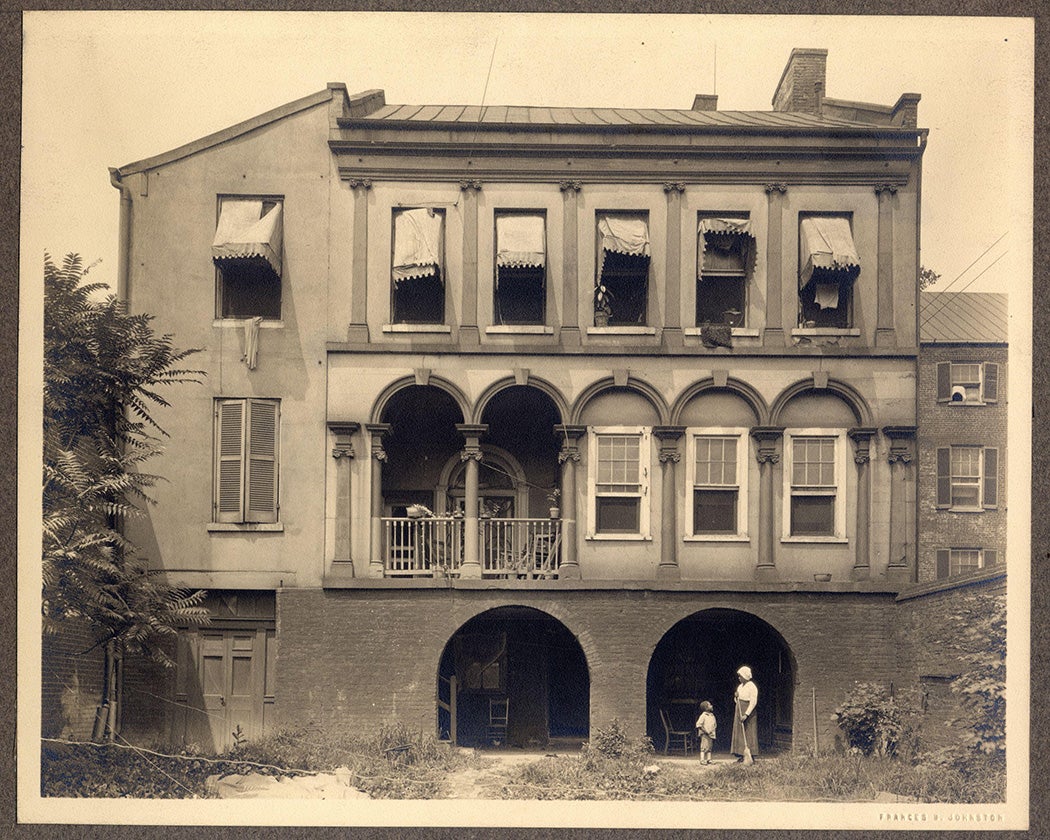
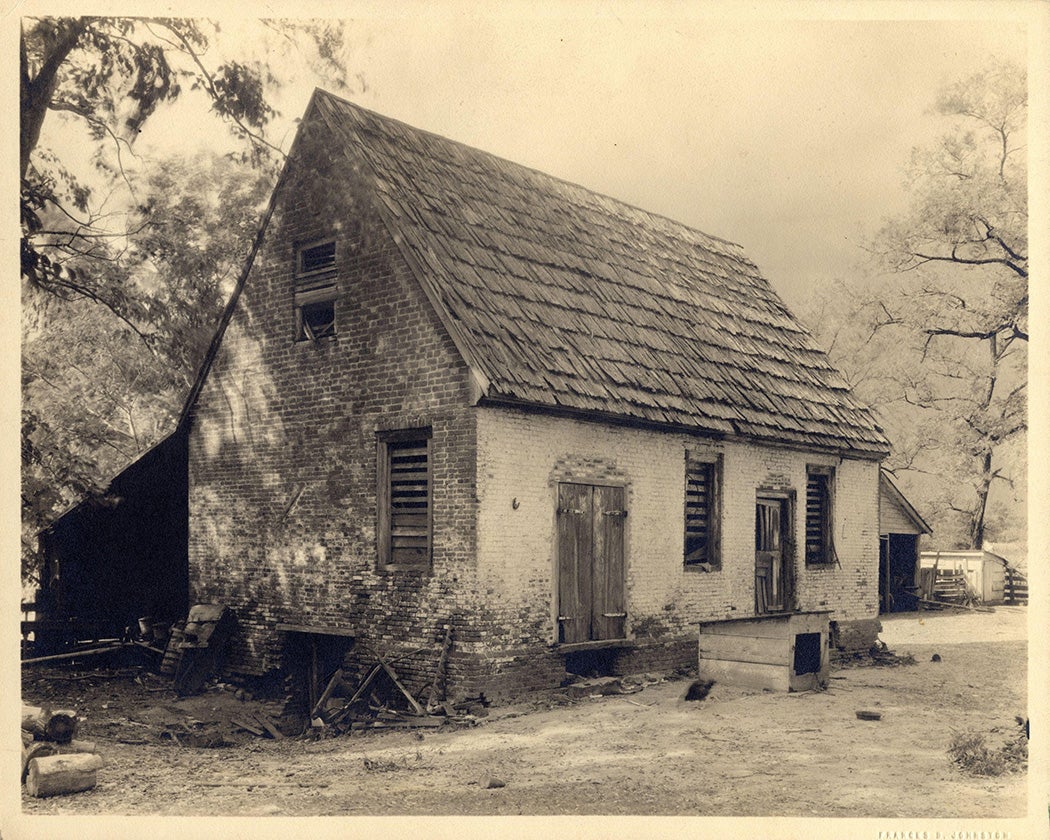
Alexandria, general exterior view of house, ca. 1929-1935
Alexandria, general exterior view of house, ca. 1929-1935. Click on the image to take a closer look.
Hillsborough, King and Queen, Virginia, ca. 1929-1935. Click on the image to take a closer look.
Garst Log Fort, Roanoke, Virginia, ca. 1929-1935. Click on the image to take a closer look.
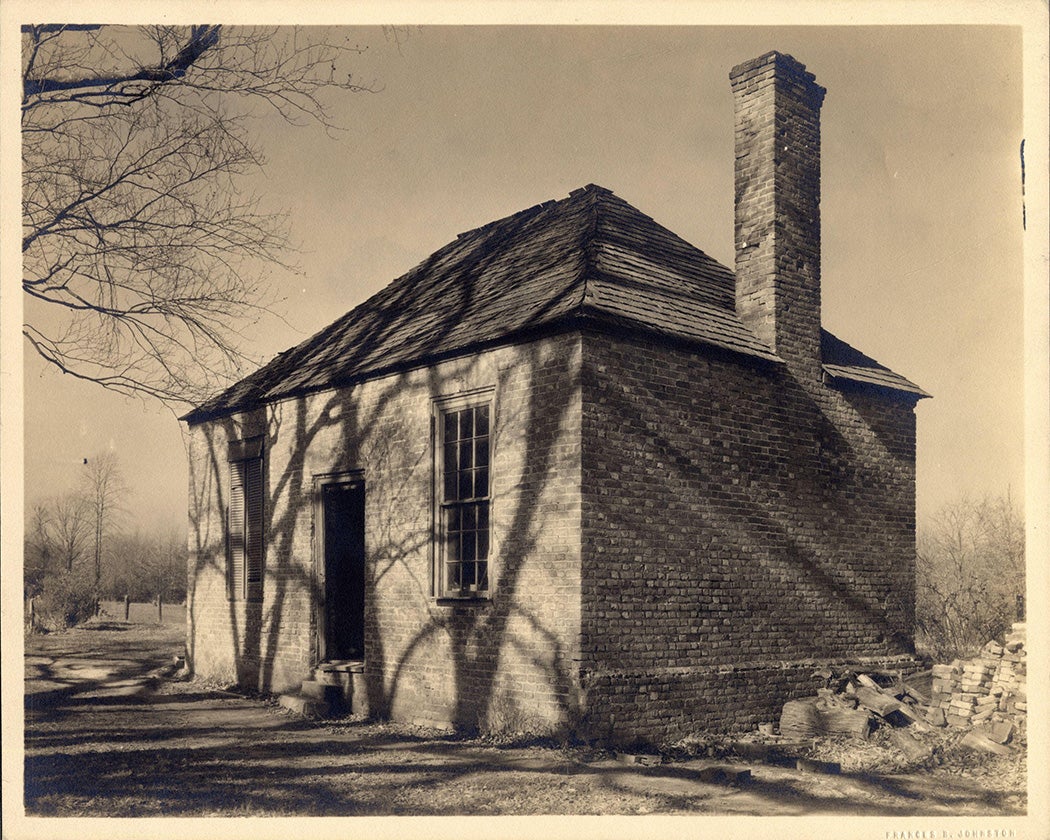
Clerk's Office, Northampton, Virginia, ca. 1929-1935. Click on the image to take a closer look.
Christ's Cross, New Kent, Virginia, ca. 1929-1935. Click on the image to take a closer look.
Cabell House, Nelson, Virginia, ca. 1929-1935. Click on the image to take a closer look.
Bouch House, Virginia Beach, Virginia, ca. 1929-1935. Click on the image to take a closer look.
Apperson Farm, New Kent, Virginia, ca. 1929-1935. Click on the image to take a closer look.

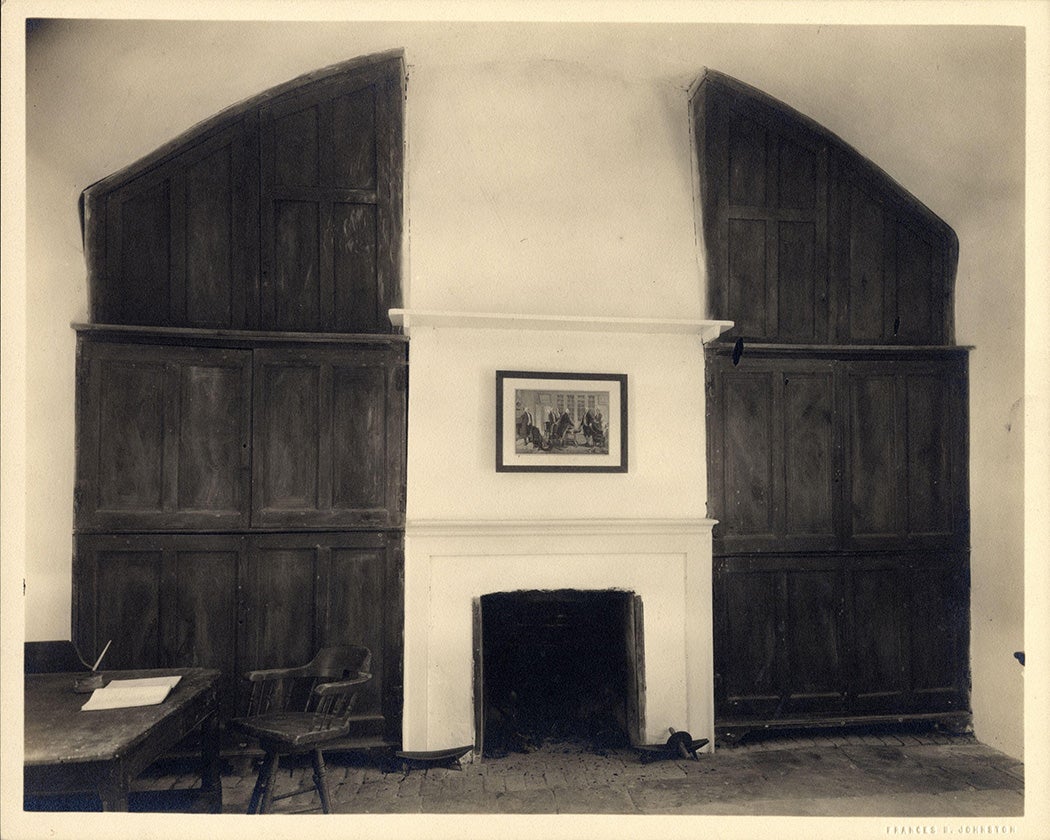
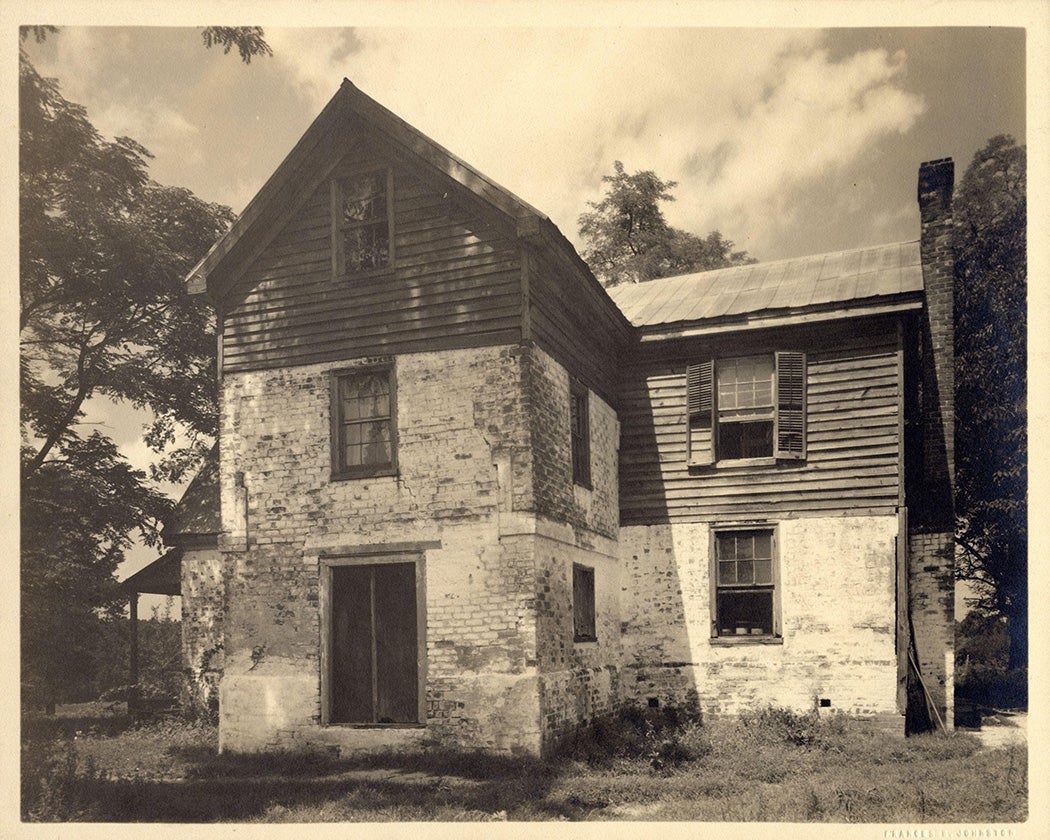
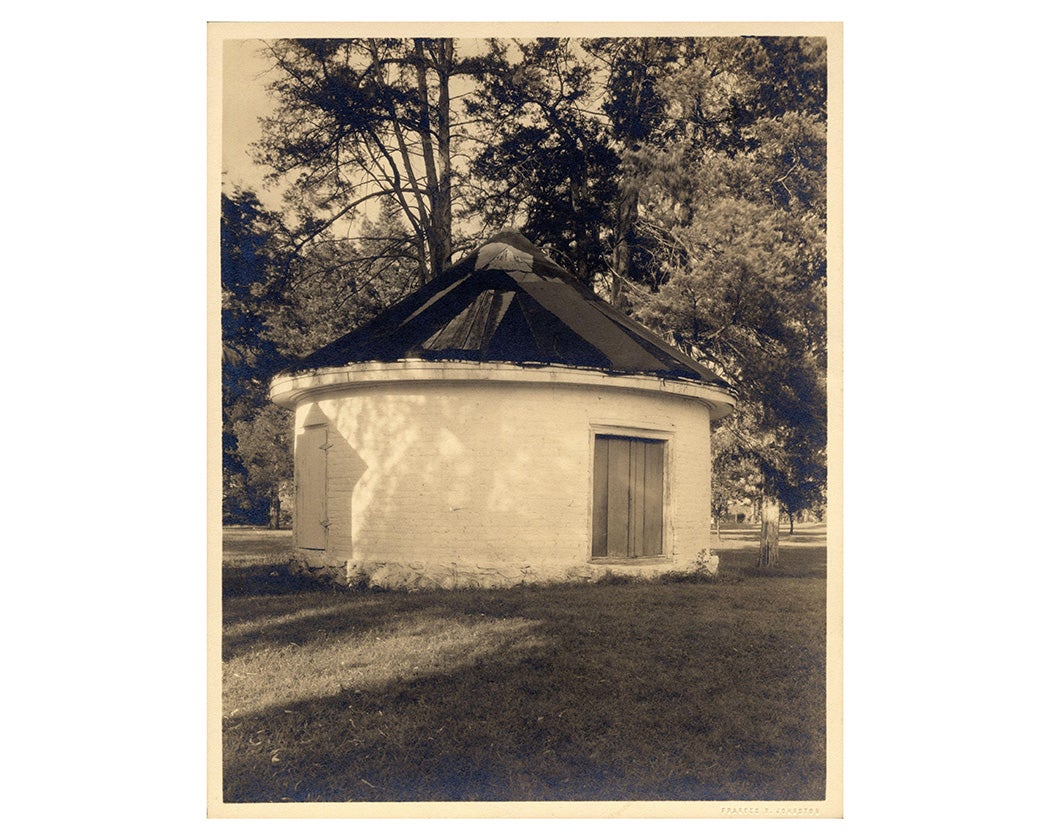
While working for the Devores, Johnston was taken by the seemingly overlooked everyday architecture around her in rural Virginia. In his essay on Johnston, John C. L. Andreassen explains that, as she photographed Chatham, she realized that “[t]here had been some photographic documentation of the manor houses in the South, but no such documentation of mills, cabins, small stores, taverns, barns, outbuildings, wagon sheds, cotton presses, corn cribs, meat houses, and tobacco-curing barns which were rapidly crumbling away.” These were the types of buildings she now felt compelled to make the subjects of her work.
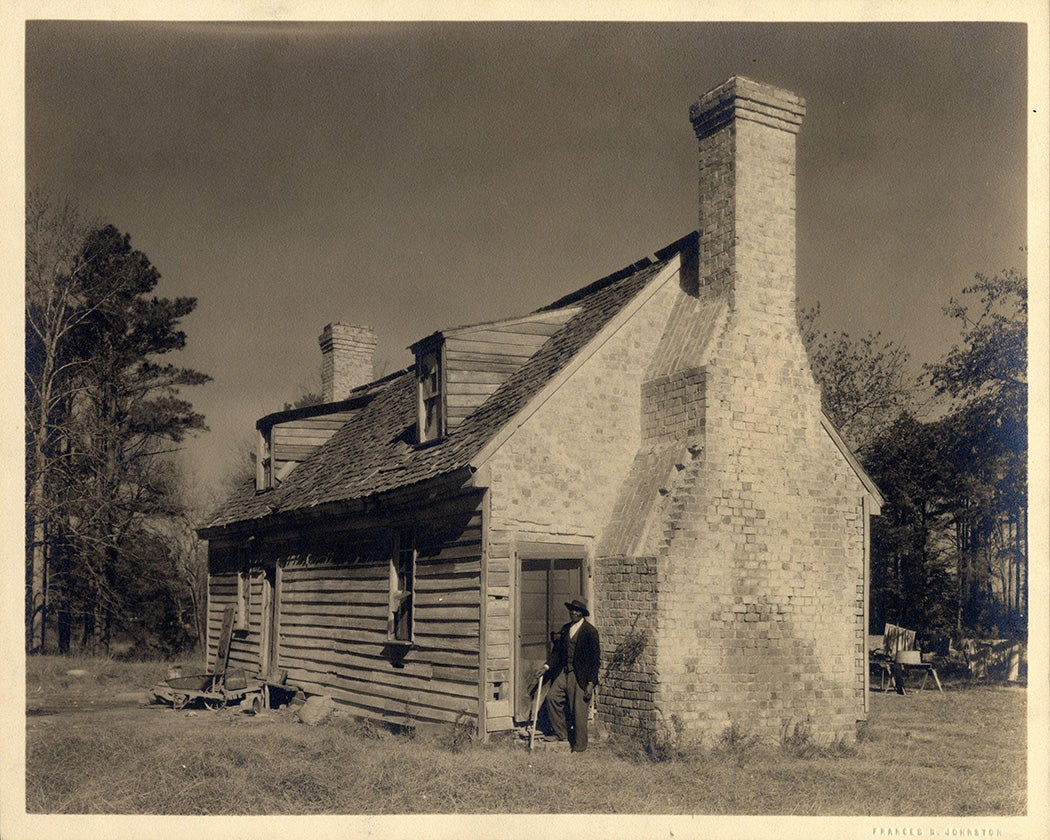
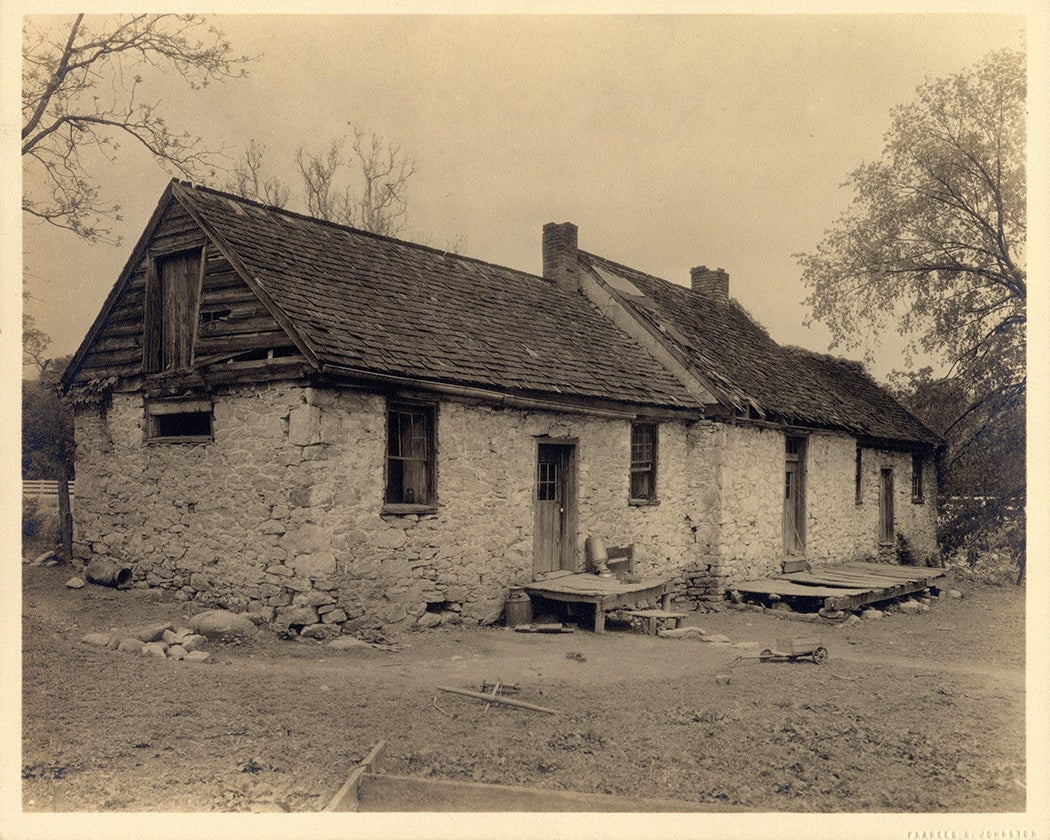
Huggins, Virginia Beach, Virginia, ca. 1929-1935. Click on the image to take a closer look.
Road, Alexandria to Middleburg, Clarke, Virginia, ca. 1929-1935. Click on the image to take a closer look.
Rich Neck, Surry, Virginia, ca. 1929-1935. Click on the image to take a closer look.
Raleigh Tavern, Roanoke, Virginia, ca. 1929-1935. Click on the image to take a closer look.
Murray, Virginia Beach, Virginia, ca. 1929-1935. Click on the image to take a closer look.
Mantua, Northumberland, Virginia, ca. 1929-1935. Click on the image to take a closer look.
Losett House, Virginia Beach, Virginia, ca. 1929-1935. Click on the image to take a closer look.
Landsdowne, Spotsylvania, Virginia, ca. 1929-1935. Click on the image to take a closer look.

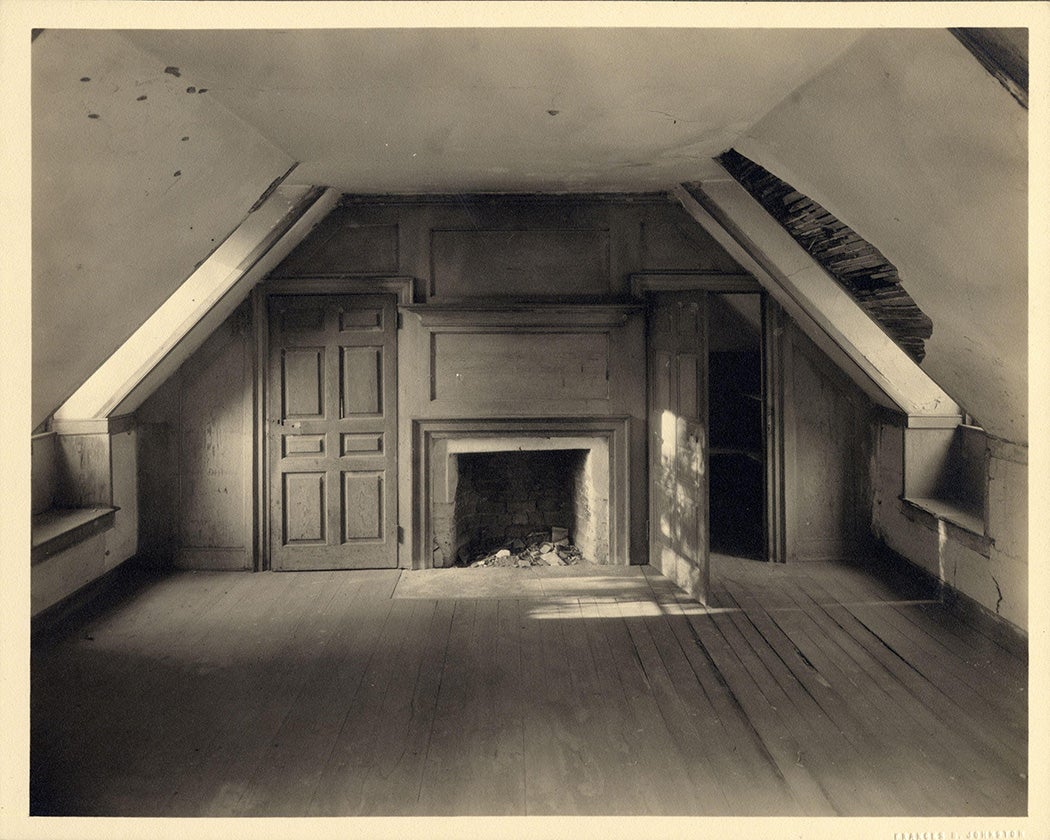
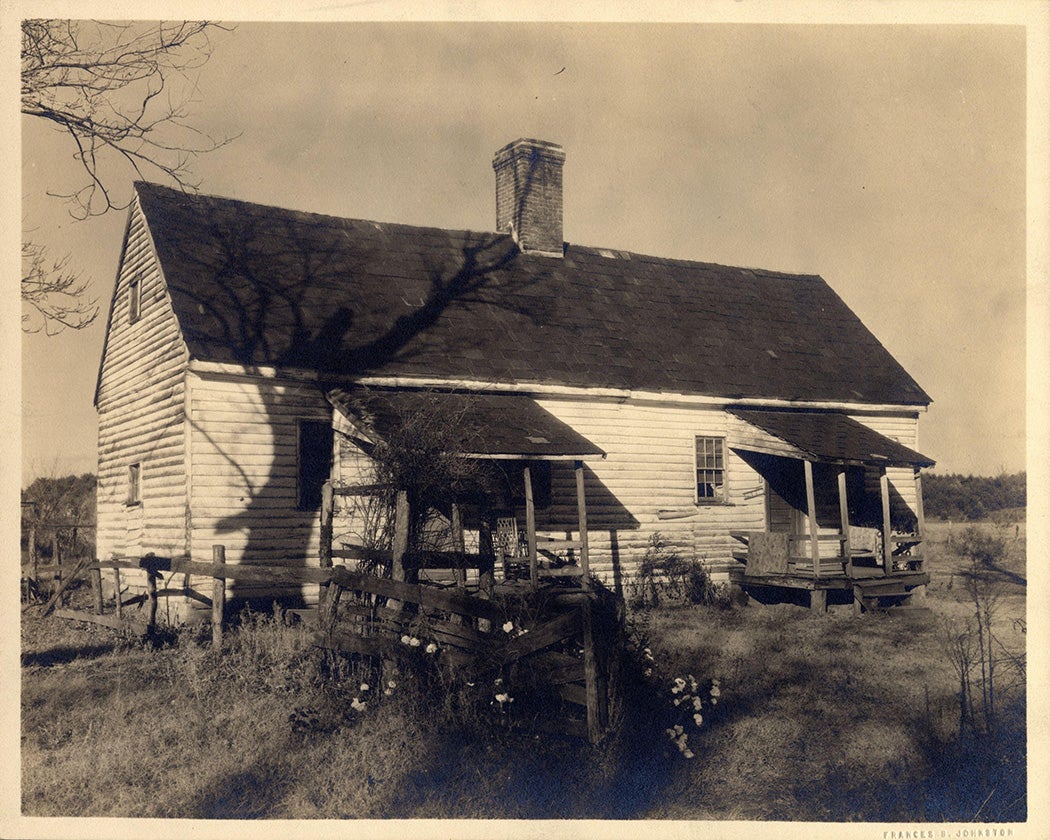
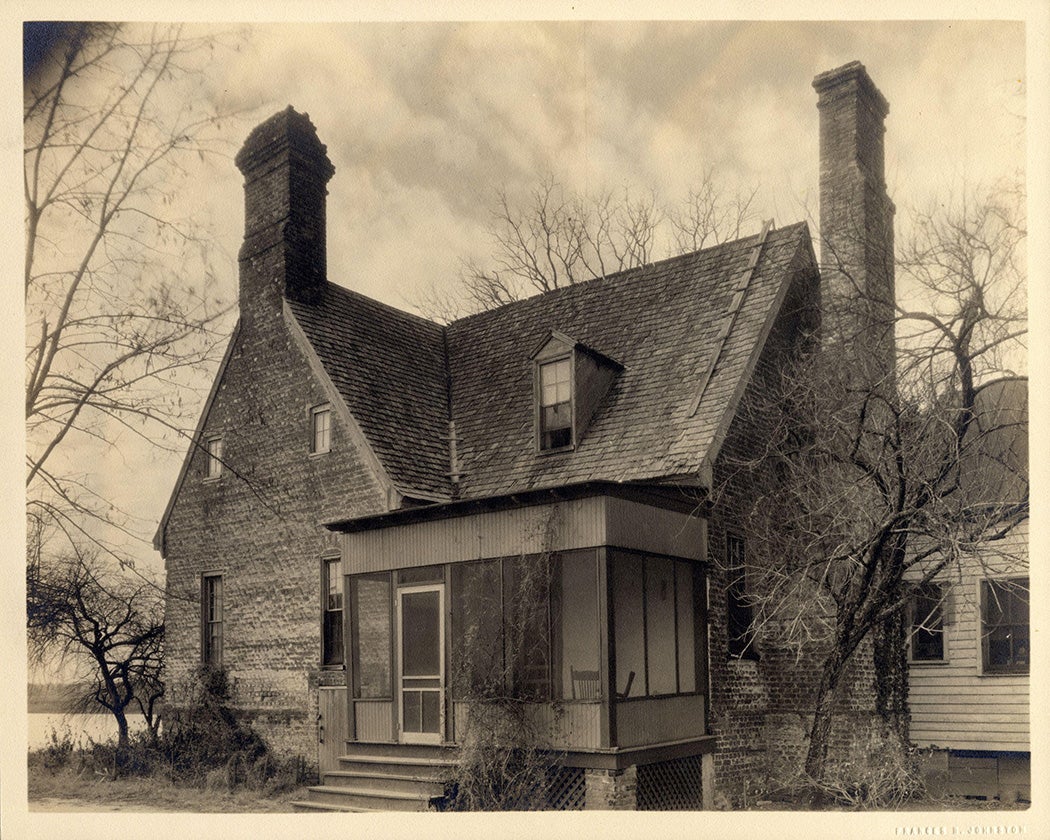
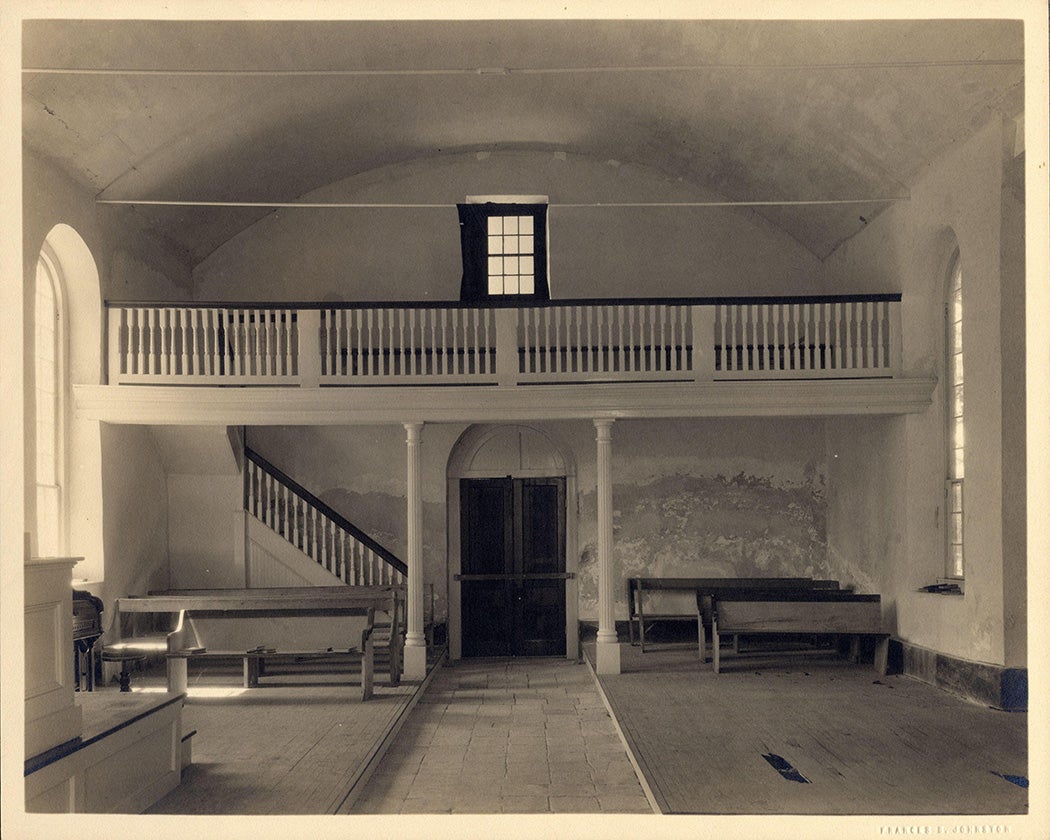
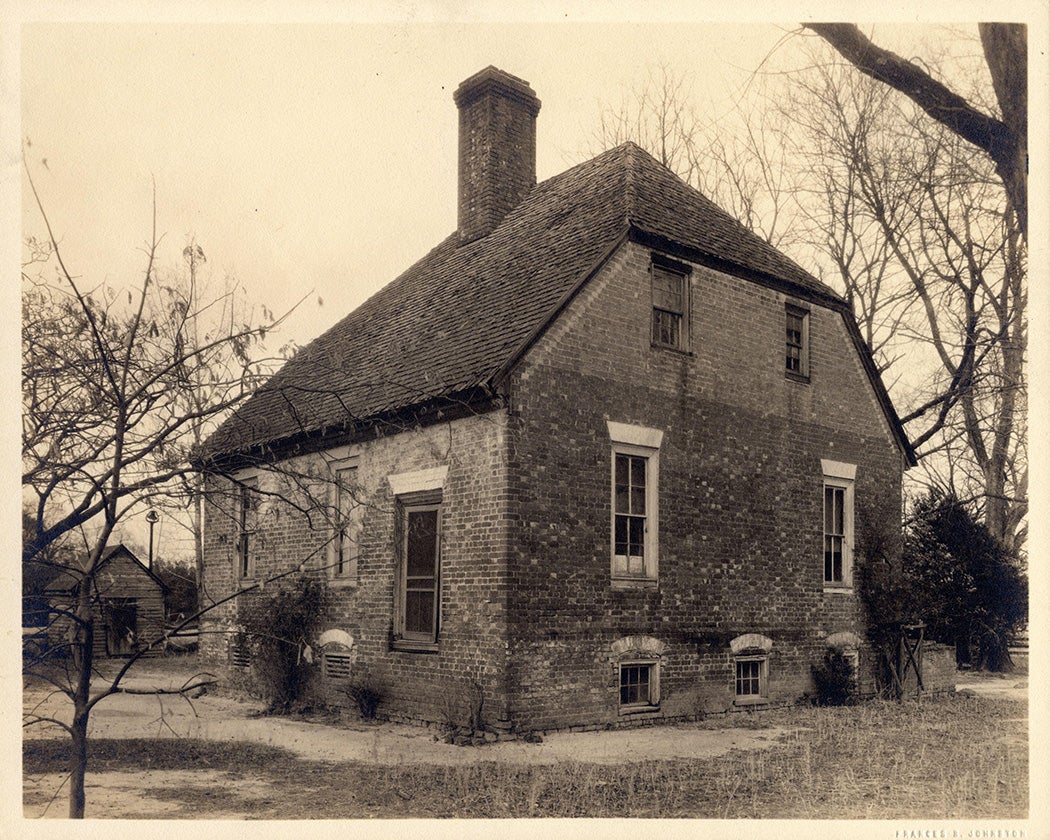
The University of Virginia’s Frances Benjamin Johnston Architectural Photography collection shows the results of her efforts to document a changing built landscape for future generations to see and study.

In 1981, the architectural historian Dell Upton wrote in “Ordinary Buildings: A Bibliographical Essay on American Vernacular Architecture” that “[t]he primary data of vernacular architecture are the buildings themselves,” while also noting that “few vernacular buildings have been extensively documented.” Johnston had the foresight to document buildings that she knew would not survive another generation. She was recording the everyday at a time when vernacular architecture was not a popular or prestigious subject of study. Today, the study of everyday buildings, such as homes, strip malls, or office complexes, is commonplace. But widespread scholarly interest in these buildings did not emerge until the 1970s and 1980s.
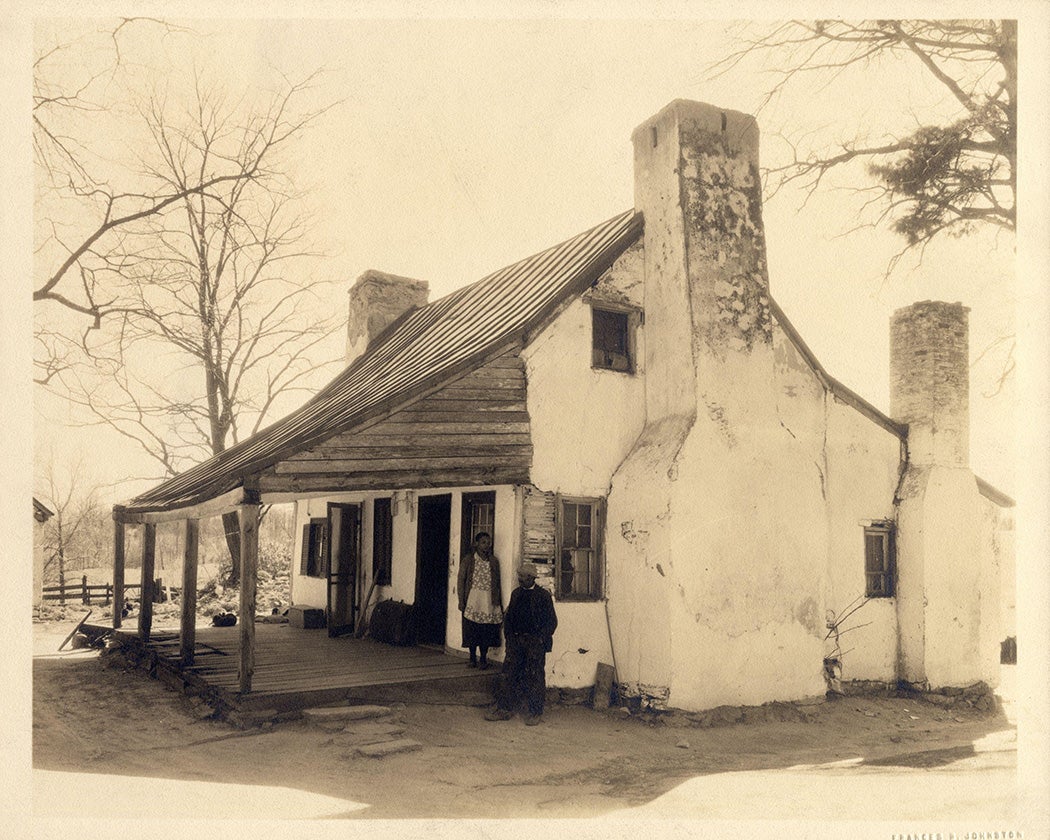
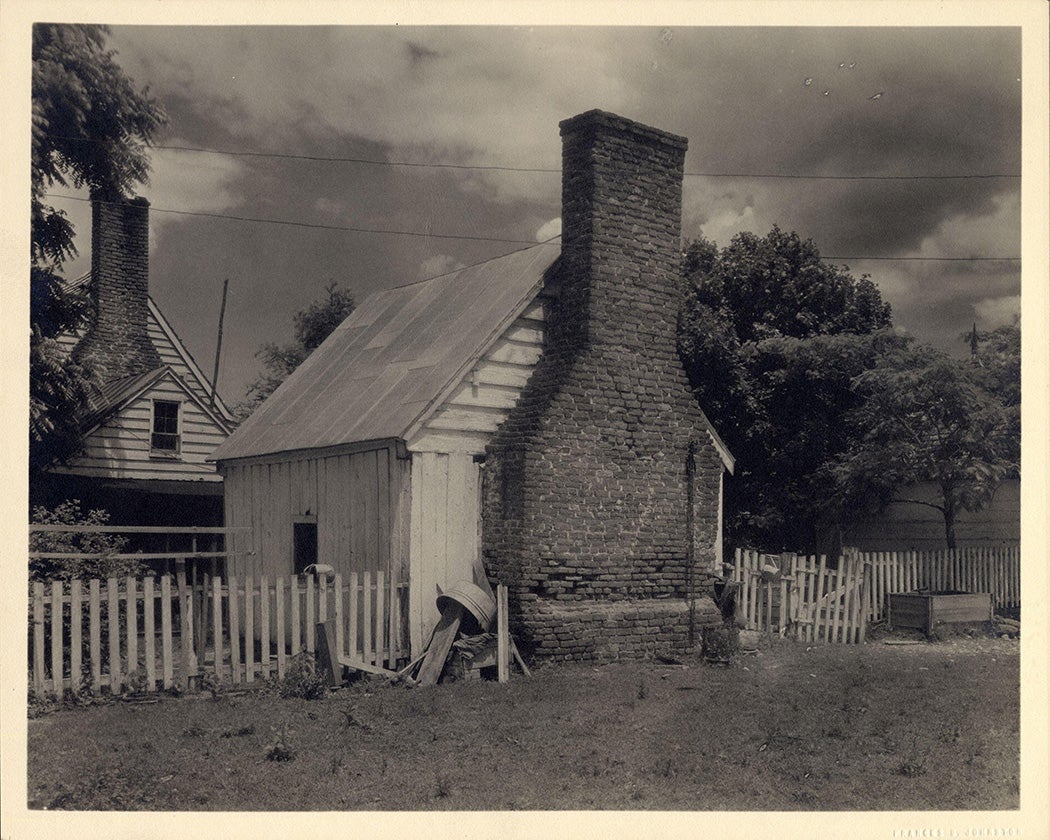
Road, Alexandria to Middleburg, Fairfax, Virginia, ca. 1929-1935. Click on the image to take a closer look.
Wilmington, Westmoreland, Virginia, ca. 1929-1935. Click on the image to take a closer look.
Wigwam, Powhatan, Virginia, ca. 1929-1935. Click on the image to take a closer look.
Union Hill, Nelson, Virginia, ca. 1929-1935. Click on the image to take a closer look.
Sweet Hall, King William, Virginia, ca. 1929-1935. Click on the image to take a closer look.
Stratford, Westmoreland, Virginia, ca. 1929-1935. Click on the image to take a closer look.
St. John's Church, King William, Virginia, ca. 1929-1935. Click on the image to take a closer look.
Seven Springs, King William, Virginia, ca. 1929-1935. Click on the image to take a closer look.

Johnston took her documentation of the built environment seriously. Elizabeth M. Gushee describes Johnston’s careful, methodical approach. She writes that “[o]nce on-site, Johnston would scout out the location for a selection of viewpoints and angles. She would frequently wait out a too bright sun or bothersome storms to catch the structure in just the right light. On a good day, Johnston could make as many as fifteen good negatives of a structure, on a bad day, none.”

Johnston’s work reflected an interest in both those with power and those without. Early in her career, she took portraits of the wealthy and well-known in her Washington, DC, studio while also photographing coal workers in the field. Her later turn to architecture may have changed subject matter, but not her intention. Through her architectural photography, she sought “to preserve a record of the barns, log cabins, inns, and outbuildings of frequently humble origins.” Through Johnston’s lens, ordinary buildings earned a place in the historical record alongside the grand estates of the wealthy.

More to Explore
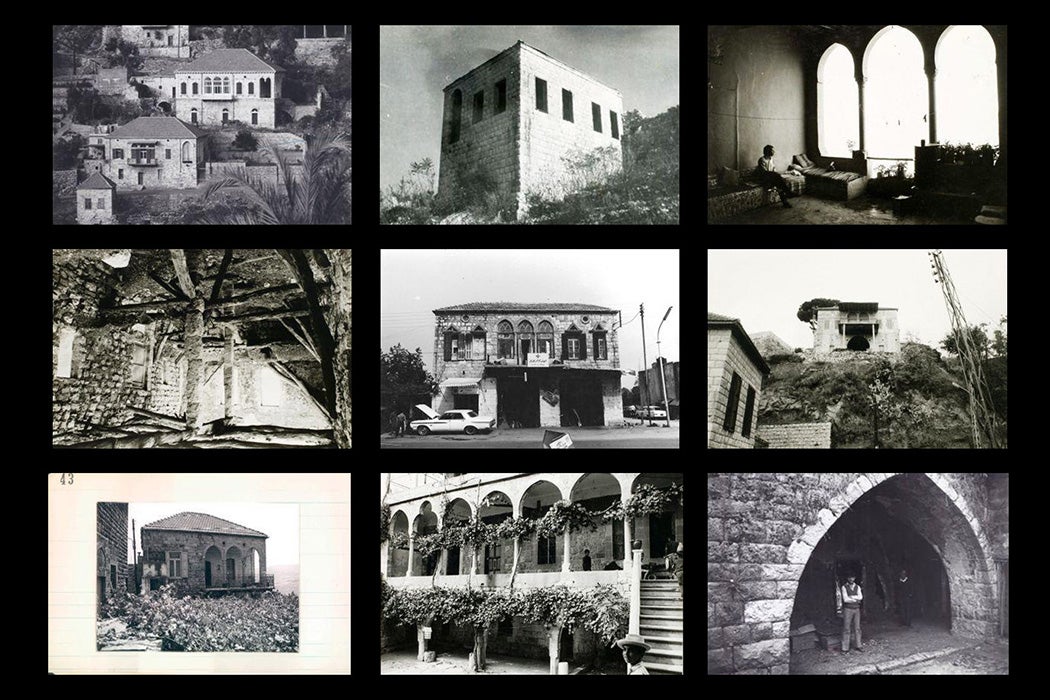
A selection of images from the Heinz Gaube Lebanese Architectural Photographs Collection, housed at Notre Dame University-Louaize

Documenting a Disappearing Architecture

The Heinz Gaube Lebanese Architectural Photographs Collection, supported by an innovative mapping project, details threatened buildings across Lebanon.

Resources

JSTOR is a digital library for scholars, researchers, and students. JSTOR Daily readers can access the original research behind our articles for free on JSTOR.

Louisiana History: The Journal of the Louisiana Historical Association, Vol. 1, No. 2 (Spring, 1960), pp. 130-136
Louisiana Historical Association
American Studies International, Vol. 19, No. 2 (Winter 1981), pp. 57-75
Mid America American Studies Association
Art Documentation: Journal of the Art Libraries Society of North America, Vol. 27, No. 1 (Spring 2008), pp. 18-23
The University of Chicago Press on behalf of the Art Libraries Society of North America