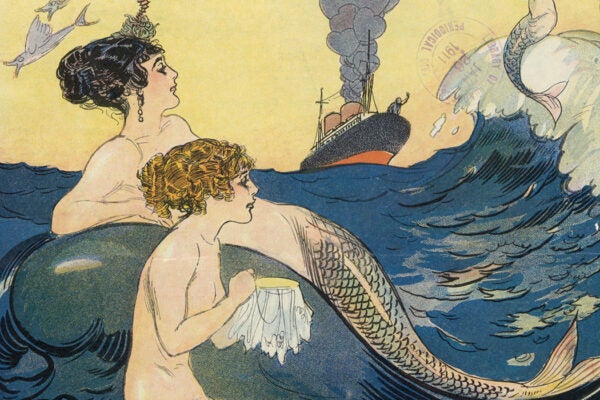
Mermaids: Myth, Kith and Kin
Ariel epitomizes mermaids now, but these beguiling creatures precede her by millennia, sparking imaginations the world over with a hearty embrace of otherness.

The Fakelore of Food Origins
Where did potato chips come from? How about clams casino? Are the origin stories for these foods true, or do they fall into the category of “fakelore”?

How to Use a Ouija Board
Read on, but beware, these tales of spine-tingling ghosts and eerie spirits...

The True Story of Grizzly Adams
In order to invent a legendary hero of the Wild West, John Adams shook himself free from his life as shoemaker in Massachusetts.
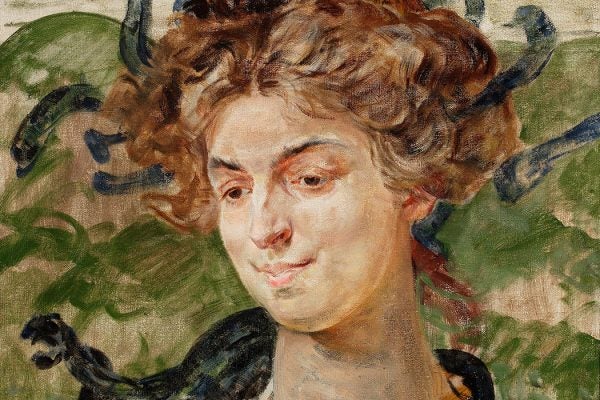
What If We’ve Been Misunderstanding Monsters?
Fictional evil creatures might be more nuanced—and have more to teach us—than has long seemed.

Slumber Parties and Folklore
Slumber party rituals are indeed alive and well, and being passed down to the next generation in person and online.

How the Great Pumpkin Became Great
The origins of Linus's pumpkin deity, who "rises out of the pumpkin patch and flies through the air and brings toys to all the children in the world."

The Offensive Joke Trap
The audience for a joke has options. They can “support” a joke—for example by laughing at it—or they can respond with “unlaughter."

The Pious Undead of Medieval Europe
Bishop Thietmar of Merseburg's eight-volume history contained stories of the living dead—and, he believed, proof of the Christian resurrection.
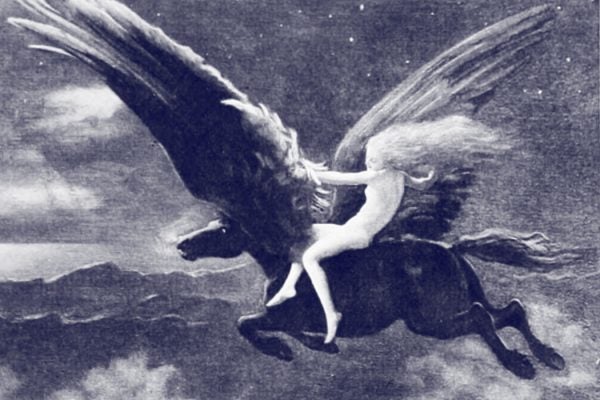
The Invention of the Passive Fairy Tale Heroine
European fairy tales featured bold, independent female characters—until the Reformation forced shifts in cultural attitudes towards women.