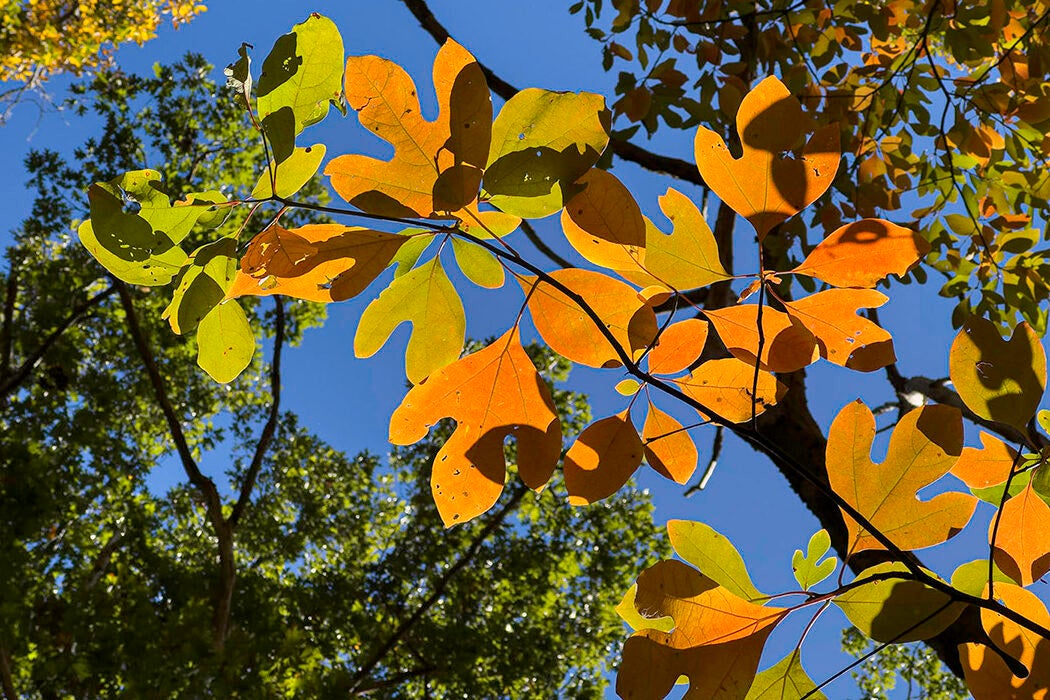
North America, according to one enduring legend, was first encountered by Europeans as a result of its scent. As the story goes, Christopher Columbus was first drawn to the continent’s shores by the strong, cinnamon-like aroma of the sassafras tree. The tale is likely false, as undisturbed sassafras trees release little fragrance, and Columbus arrived outside of the plant’s most aromatic season of spring. However, the tale gestures toward a deeper truth: that scent has long shaped human encounters with sassafras.


Long before European arrival, Indigenous peoples across what is now the United States recognized the plant by its distinctive aroma and incorporated it into systems of medicine. These systems were later transmitted and contested through interactions between Indigenous peoples, European colonizers, and enslaved Africans, framing the plant’s evolving role across centuries of American history.
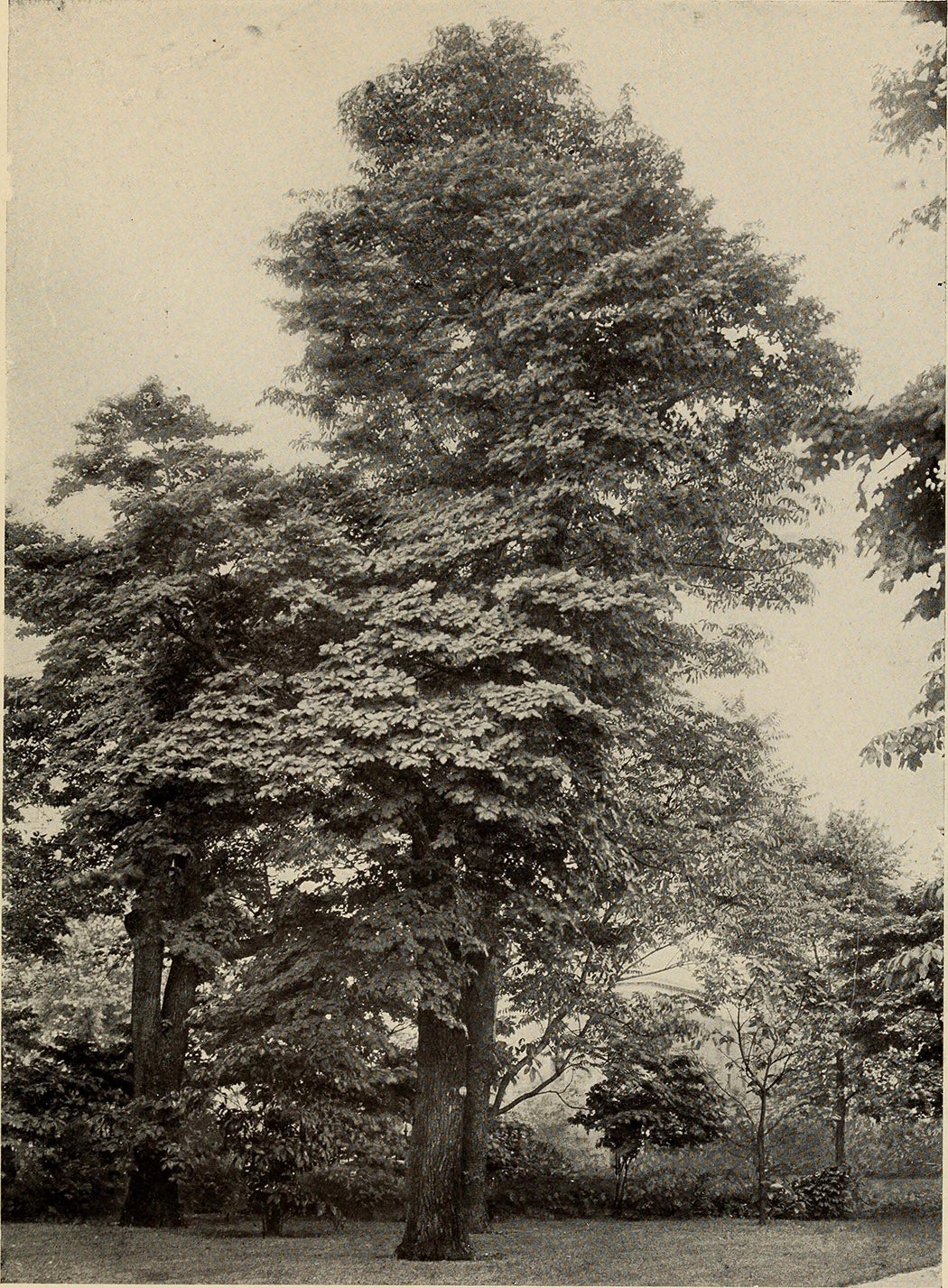
Sassafras albidum is a deciduous tree native to eastern North America, ranging from southern Maine to eastern Texas and Oklahoma. It is recognizable for its unusual leaves, which can appear in three distinct shapes on a single plant: elliptical, mitten-shaped, and three-lobed. When its bark or leaves are crushed, they release a potent, cinnamon-like fragrance produced by safrole, a naturally occurring compound that functions as a defense against insects. This characteristic woody scent earned the tree various names, from the Mohawk wenhnákeras, or “smelly thing,” to the English “cinnamon wood” and “smelling tree.” The distinctive scent of safrole made it easily identifiable, helping to anchor early systems of recognition that could be shared across communities.
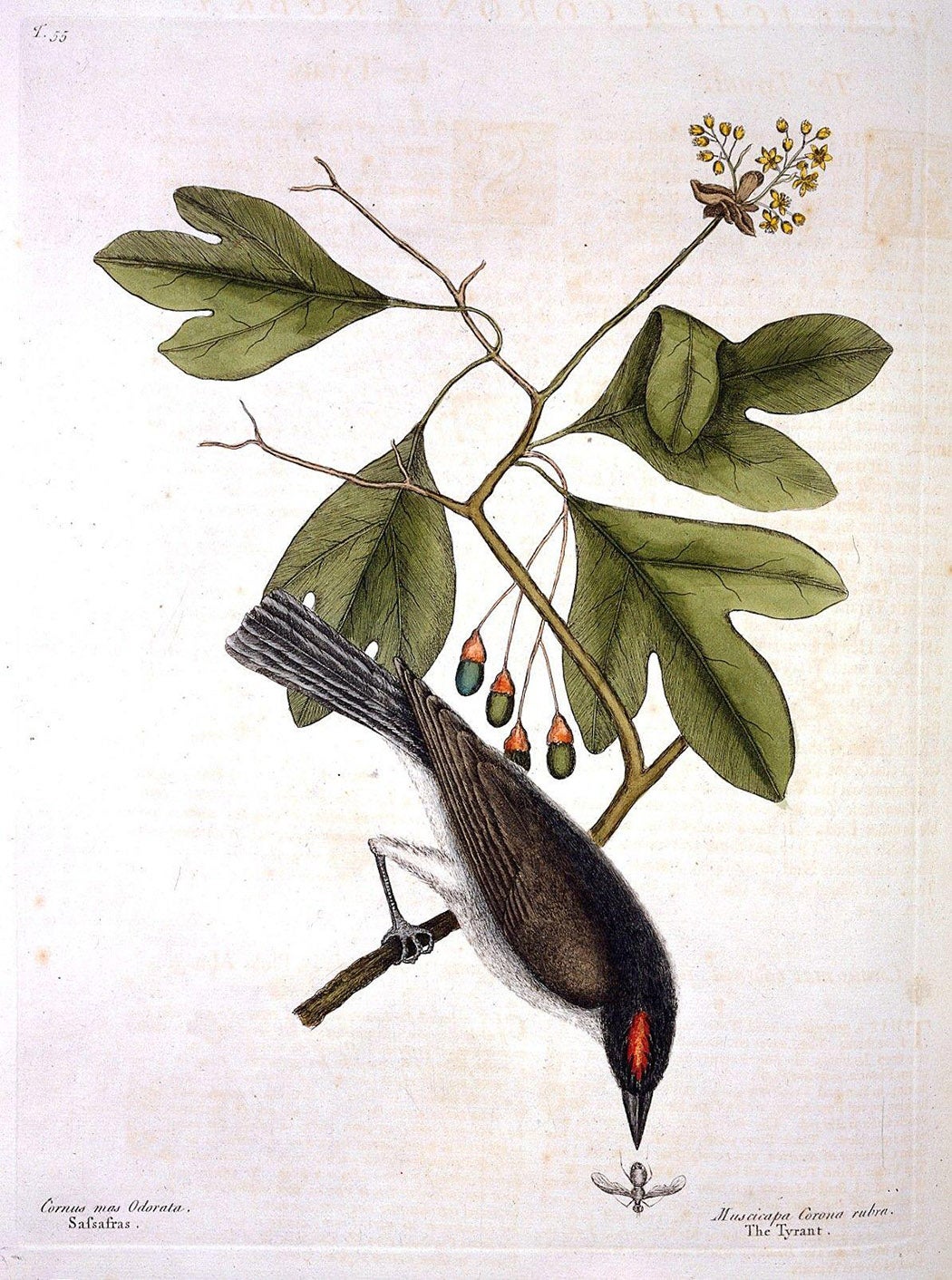
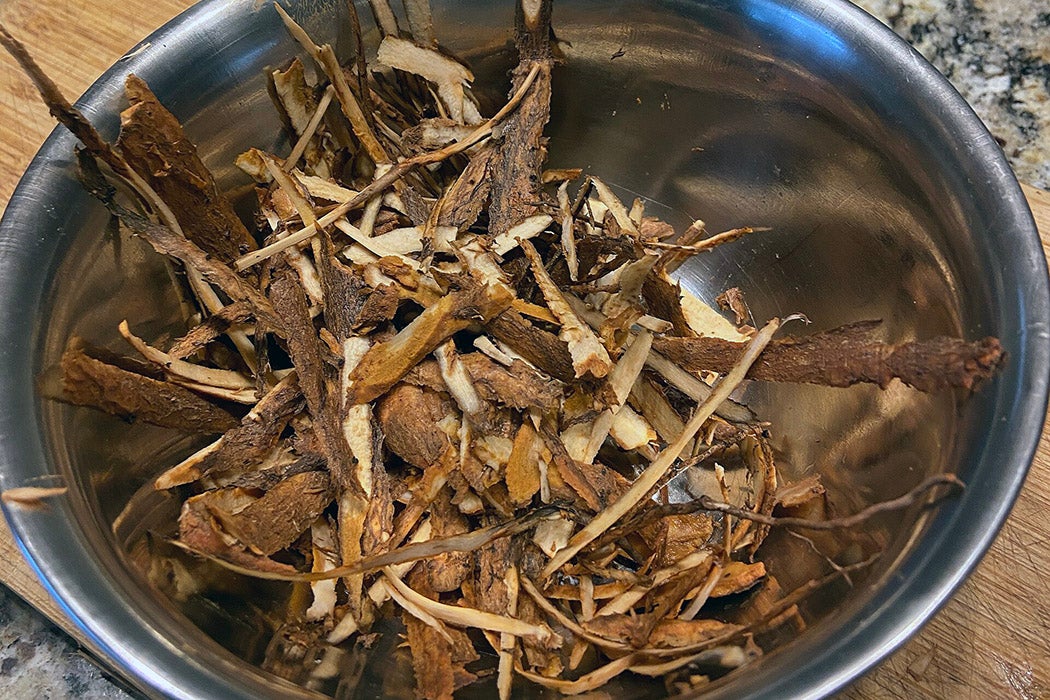
To early European colonizers, sassafras appeared to be a medical miracle. Indigenous communities had long used sassafras tea to treat fevers, digestive issues, and a wide range of other conditions. Through direct and indirect exchanges with these communities, early settlers learned of Indigenous applications of sassafras and adopted them in their own preparations of medicinal teas and tonics from the root bark. Seventeenth-century Spanish physician Nicolás Monardes described sassafras as a “universall remedy for all manner of deseases,” reflecting the widespread belief in its curative power for an array of ailments. Most notably, sassafras gained prominence as a treatment for “French pox,” or syphilis, a disease that devastated populations on both sides of the Atlantic. Its perceived effectiveness as a cure-all medicinal plant transformed its status from an Indigenous remedy to a transatlantic commodity. By the end of the seventeenth century, sassafras had become one of the primary exports of the early English colony of Jamestown, and the aromatic bark was harvested intensively for shipment to European markets.
Weekly Newsletter
"*" indicates required fields
Over the following centuries, sassafras remained embedded in North American medical practice, but its uses evolved through cultural exchange and scientific advancement. Enslaved Africans, drawing on both inherited African healing traditions and knowledge shared by Indigenous peoples, incorporated sassafras into their own systems of herbal medicine. In these contexts, sassafras bark tea was valued as a “blood purifier” and general restorative. The blending of these traditions solidified the plant’s role as a central element in African American herbalism and, eventually, in Creole cuisine, where it became an essential thickening agent (filé) in Louisiana gumbo.
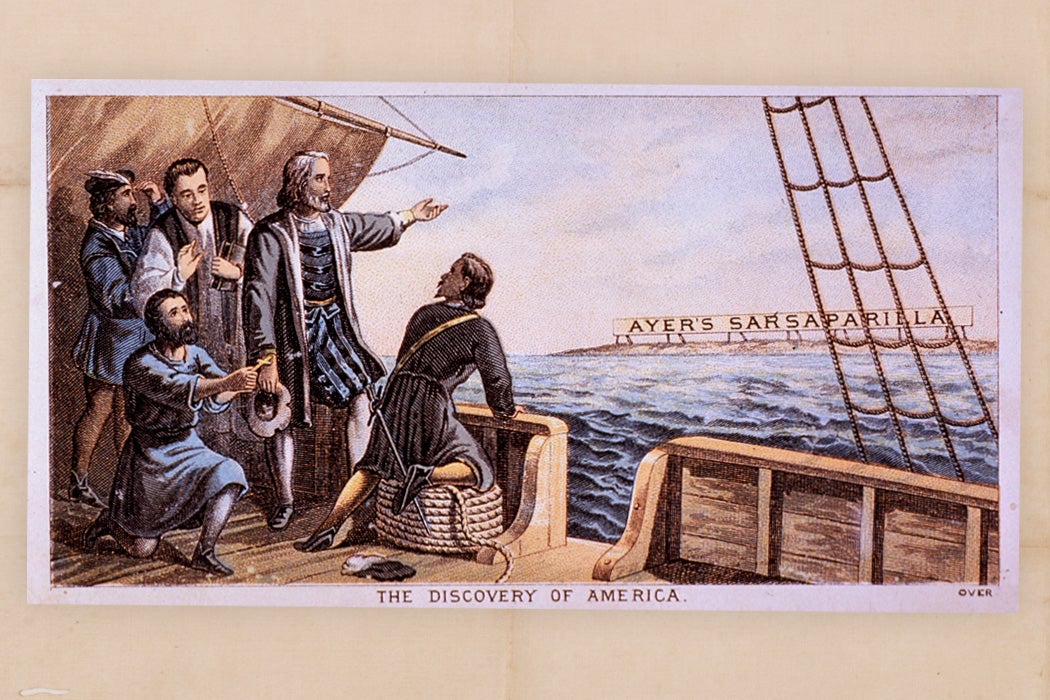
Sassafras’s medical standing began to decline by the eighteenth and nineteenth centuries. As Western medicine became more formalized, physicians increasingly dismissed the plant, arguing it possessed no “special virtues” beyond those of other volatile, aromatic oils. The plant’s formal applications gradually reduced to little more than a flavoring agent, featured famously in root beer alongside sarsaparilla, juniper, and vanilla. Despite its widespread rejection in professional medical circles, sassafras remained a staple of household folk medicine in Appalachia and a cornerstone of herbalism in Black and Indigenous communities. This shift reflected broader tendencies through which knowledge rooted in Indigenous traditions was increasingly excluded from emerging definitions of “legitimate” medicine.
More to Explore
Plant of the Month: Sarsaparilla
In the twentieth century, sassafras underwent a more dramatic reevaluation. Scientific studies identified safrole, the chemical compound responsible for its characteristic scent, as toxic to the liver and carcinogenic in laboratory animals. Following these findings, the United States Food and Drug Administration (FDA) banned the use of sassafras oil and safrole as food additives in 1960 and later prohibited the interstate shipment of sassafras bark for tea, effectively removing the plant from commercial products. One visible consequence of this administrative action was the reformulation of traditional root beer, which shifted from sassafras to artificial or alternative flavorings, often derived from wintergreen.
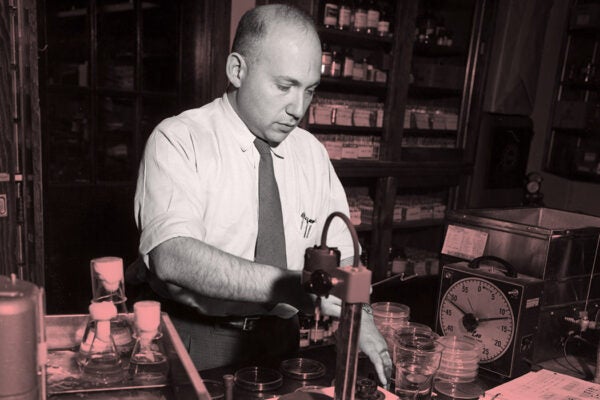
This regulatory shift did not entirely settle the scientific debate surrounding sassafras. While safrole remains classified as a probable human carcinogen based on animal studies, more recent research has complicated these findings. These studies suggest that its biological effects may vary based on dosage, metabolism, and method of preparation, raising questions about how laboratory conditions compare to traditional uses. Furthermore, recent research indicates that small amounts of safrole may “play a protective role in human cancers,” thus introducing nuance to the oversimplified perspective established by the FDA’s broad regulatory approach. Taken together, these findings suggest that traditional uses of sassafras may not align wholly with the risks identified in controlled experimental settings using rodents.
The history of sassafras speaks to the complex movement of knowledge across cultures and systems. Indigenous, European, and African American communities each encountered and interpreted sassafras within their own frameworks, often in dialogue with one another. Rural, African American, and Indigenous communities have maintained their relationship with the plant and continue to incorporate it into medical practice. In contrast, institutionalized Western medicine redefined sassafras through laboratory experimentation, largely detached from these contexts of use. Contemporary research complicates these findings, necessarily accounting for differences in dosage, metabolism, and preparation, and unsettling scientific conclusions divorced from how sassafras was utilized in real, traditional contexts. In this way, sassafras exposes the limits of rigid distinctions between science and “folk” medicine, revealing instead a more fluid boundary that legitimizes less formal systems of medicine and questions automatic deference to Western science. The Plant Humanities Initiative at Dumbarton Oaks explores intertwined cultural and biological histories like this one, using plants to interrogate the complexities of human society.




_(14780638004).jpg)