In a world of instant interactions with people around the world, how can teenagers settle for talking with those around them face to face? And what does it take for young adults to shake off digital distractions and do the kinds of jobs their parents did?


As independent scholar Grey Osterud writes, a century ago, adults were asking similar questions. The rise of the automobile and the growth of jobs and entertainment options in cities made people nervous that the next generation of rural youth wouldn’t stick around to do the agricultural work the nation required. As the popular adage suggested, “You can’t keep ‘em down on the farm once they’ve seen the city lights.”
Osterud focuses on changes in rural Nanticoke Valley, New York, around the 1920s.
One huge milestone was the World War I-era establishment of a bus line between the valley and the urban manufacturing centers of Union and Endicott. This made it far more practical for teenagers to go to high school in Endicott, where most of their classmates hailed from urban areas. Previously, education for most people in the valley ended by eighth grade.
With high school bringing teenagers into closer contact with peers all week long, Osterud writes, their strongest bonds were with peers in the same grade. And that change filtered down to their after-school and weekend activities. Rather than social visits and community-wide gatherings with their parents and younger siblings, they increasingly organized their own events with peers.
More to Explore
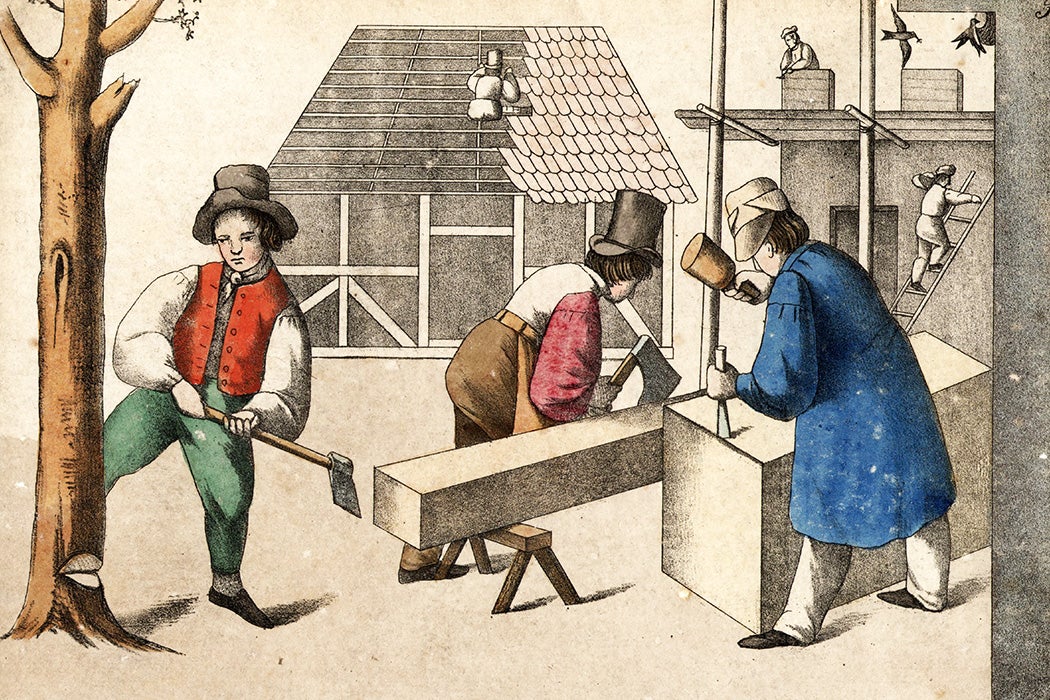
When Being an Unemployed Teenager was a Crime
Buses and cars also made it practical for young people to get jobs in the city and commute back to farm country each night, rather than staying at boarding houses as previous generations of millworkers did. At factories in the cities, they came in contact with people from diverse backgrounds. And, in contrast to the sunrise-to-sunset work schedule on a farm, the set hours of wage labor left leisure time in the evening when young people could enjoy urban recreation.
Yet few of the Nanticoke Valley teens were lured away by the excitement of the cities. In some cases, that was because they felt that the city people looked down on them. As Esther Bond, born in 1919, told Osterud, “when you went to high school down here in Endicott, the highest insult they could hand anyone was to call him a farmer.”
Weekly Newsletter
"*" indicates required fields
So the farm kids mostly explored the cities with friends from home. And they brought urban-style entertainment back home, organizing movie showings, dance parties, and even whole theatrical productions.
But what they, for the most part, didn’t do was ditch their rural homes for more exciting companions in the cities.
“Their social groups remained constituted by ties of kinship and neighborhood, rather than encompassing young people they met at school or work,” Osterud writes.
Today we might spot something similar among teenagers whose online activities enrich interaction with real-life friends while mystifying the older generation.



_a_story_for_the_young_(1922)_(14566592387).jpg)