Skip to content

Kari Traylor

Kari Traylor (she/her) is a post-baccalaureate fellow in the Plant Humanities at Dumbarton Oaks. She holds an MPhil in World History from the University of Cambridge as well as a BA in Social Studies from Harvard University. A historian of the Black Atlantic, her work explores the intersection of law, environmental justice, food, and culture in transnational contexts.

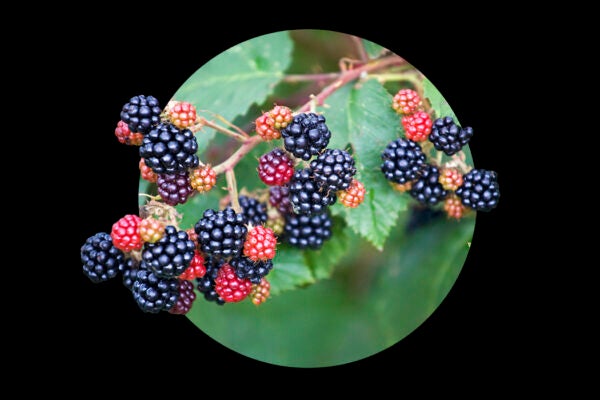
How the Himalayan Blackberry Took Over the Pacific Northwest

The tangled history of an invasive plant and a scientist’s troubling quest to engineer a more efficient natural world.
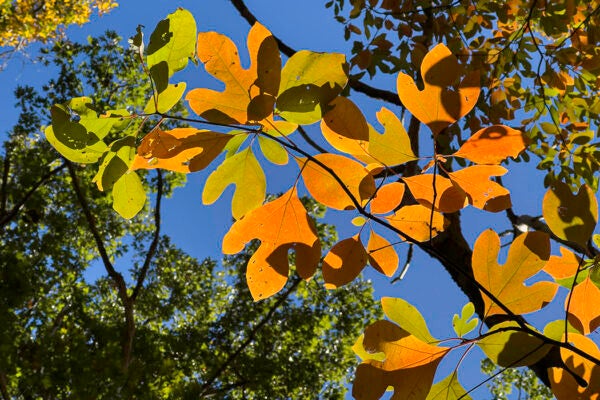
Vibrant sassafras leaves create a colorful understory in the woods near the Great Marsh Area of the Massachusetts North Shore. Sassafras leaves are unique for their three distinct shapes: a simple oval, a two-lobed "mitten" shape, and a three-lobed shape.

Sassafras: From Scent to Science in American Medicine

How did sassafras go from cure-all to carcinogen? Its history links Indigenous knowledge, colonial trade, and modern scientific debate.
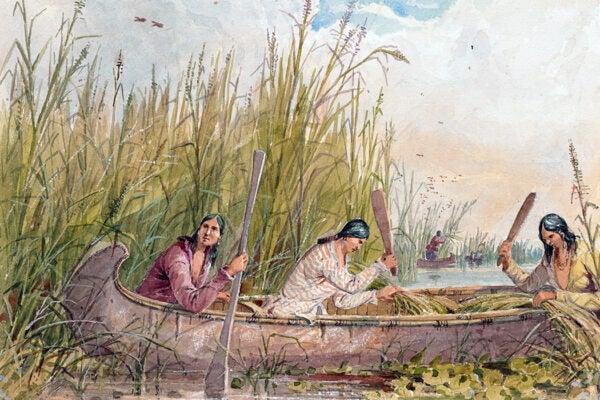
Source: https://collections.artsmia.org/art/36169/gathering-wild-rice-seth-eastman

Wild Rice and the Rights of Nature

A groundbreaking lawsuit asks whether wild rice, or manoomin, can hold legal rights under tribal law and the growing rights of nature movement.
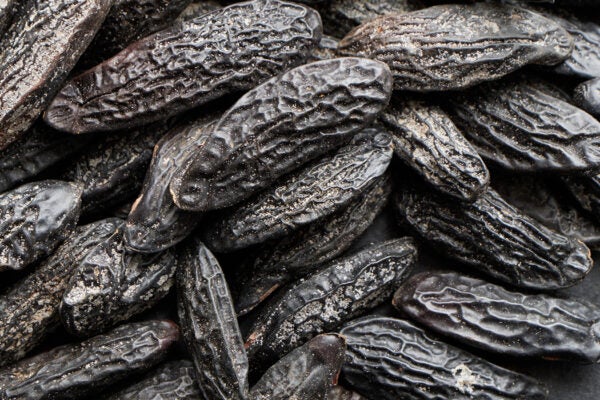
Tonka beans

Tonka Bean: The Tale of a Contested Commodity

The rise and fall of the sweet-smelling seeds of Dipteryx odorata stands in stark contrast to the tree’s lasting presence in global markets.