
Wild Rice’s Refusal to Be Domesticated
The reality of wild rice defeated the best efforts of Europeans to domesticate it.
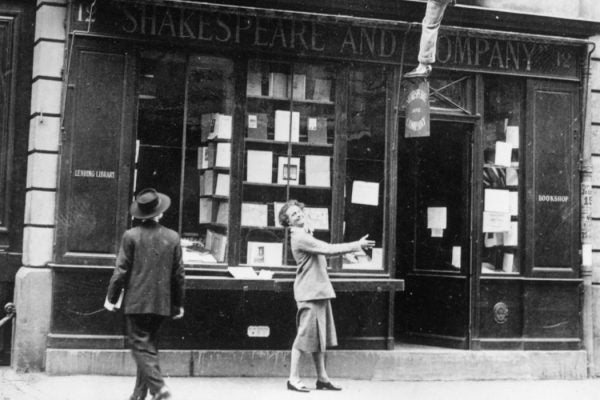
The Patron Saint of Bookstores
100 years ago, Sylvia Beach, the first publisher of James Joyce’s Ulysses, opened the doors to her legendary bookstore, Shakespeare & Co.
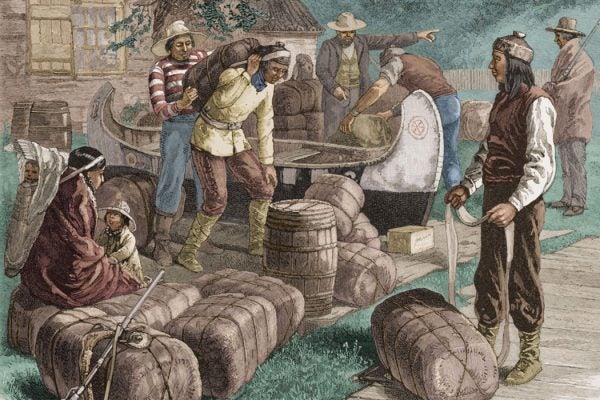
Why the Dakota Only Traded among People with Kinship Bonds
“Trapping was not a ‘business for profit’ among the Dakota but primarily a social exchange,” one scholar writes.
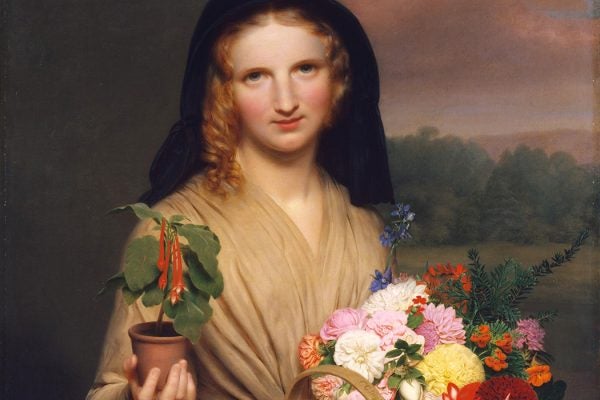
When Botany Was for Ladies
In nineteenth century America, young women took to studying botany—a conjoining of interest, social acceptance, and readily available schooling.
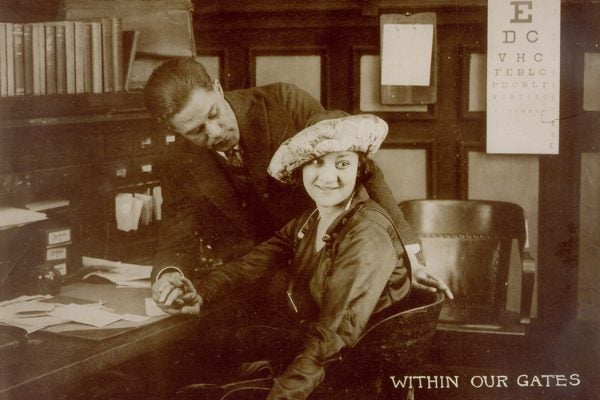
How Oscar Micheaux Challenged the Racism of Early Hollywood
The black filmmaker Oscar Micheaux was one of the first to make films for a black audience, a rebuke to racist movies like The Birth of a Nation.
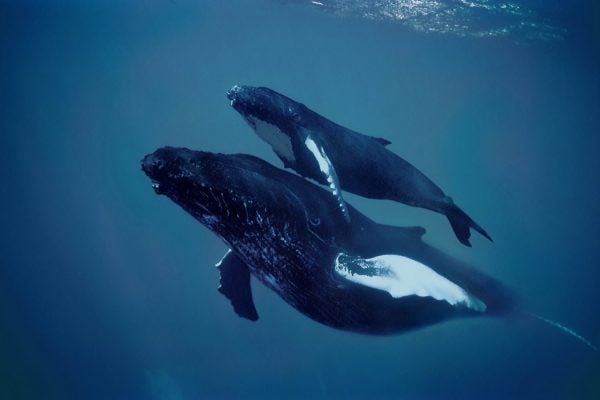
The Cultural Differences in Humpback Whale Songs
One group of researchers found distinct differences among songs from groups of humpback whales that are geographically isolated from each other.
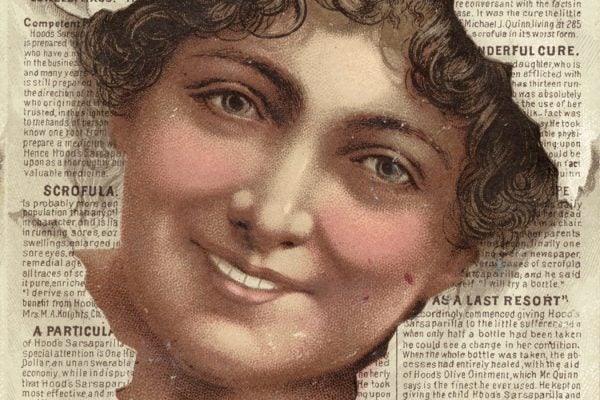
How the Ban on Medical Advertising Hurt Women Doctors
Intended to protect consumers from unscrupulous quackery, a nineteenth-century ban on medical advertising proved to be a double-edged sword.

Happy Birthday to Cyberspace!
The first message sent through the ARPANET was “LO.” It was supposed to be “LOGIN,” but the network crashed after the first two letters.

The Brewery Powered by a Wind Turbine
Inspired by the legendary Wright Brothers, local brewers on the Outer Banks of NC are harnessing wind power for their pints.
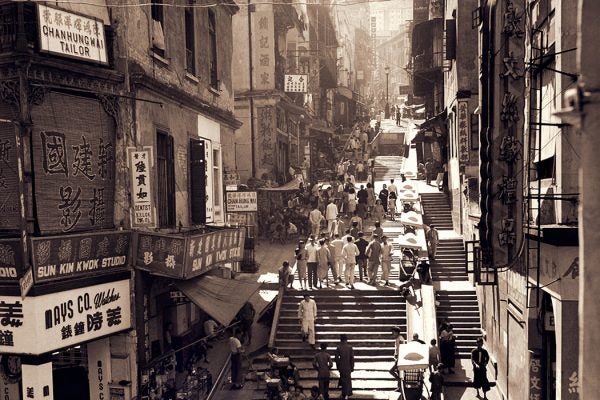
Hong Kong Was Formed as a City of Refugees
The story of Hong Kong, one of the most densely populated places on Earth, can't be separated from its international situation.