
Soccer and European Identity
Throughout Europe, soccer matches like the FIFA World Cup have become deeply significant, in part because that continent's identity is so complex.
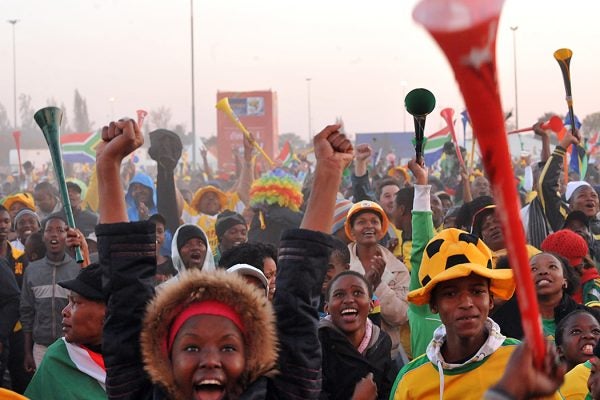
Why We Love World Cup Anthems
The excitement of the FIFA World Cup is exemplified by the songs that become World Cup anthems—both official and unofficial.
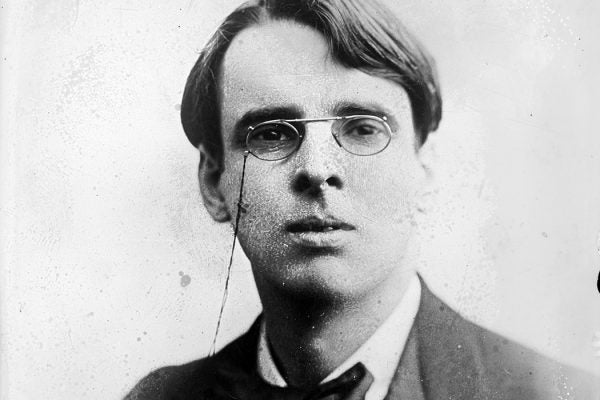
W.B. Yeats Loved Tarot Cards
The august Irish poet was once a member of a secret occult order called The Hermetic Society of the Golden Dawn. He was also an avid student of the Tarot.
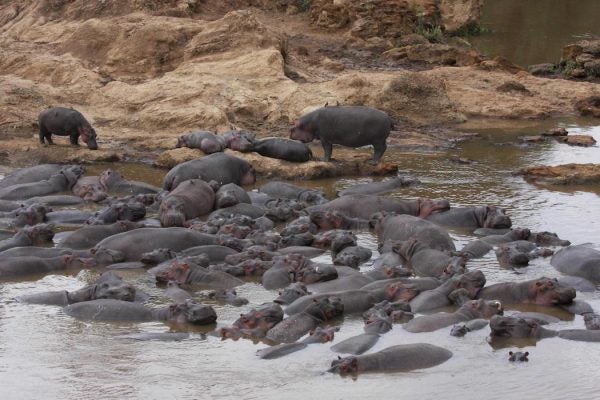
Hippo Poop Kills Fish, but There’s an Upside
A robot disguised as a crocodile is helping scientists understand that mass fish die-offs serve a purpose.
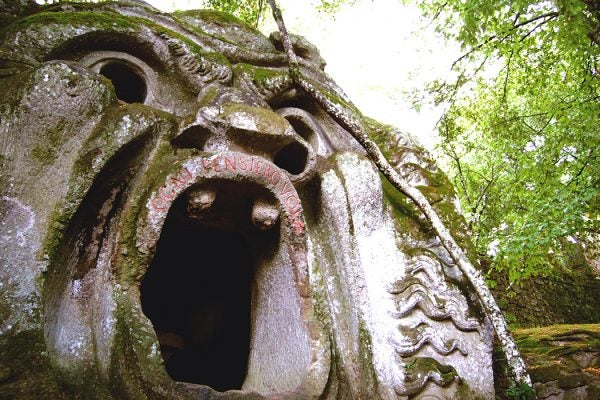
The Park of Monsters
Constructed in the mid-16th century by Pier Francesco "Vicino" Orsini, this bizarre pleasure garden features twelve strange, disturbing statues--and no one knows why.
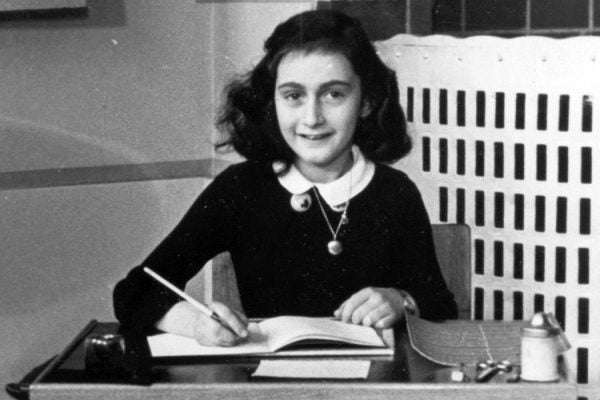
“Saint” Anne Frank?
Pop culture has made Anne Frank into an icon, but one scholar notes that she was a terrified child trapped and killed by war, and should be seen as such.
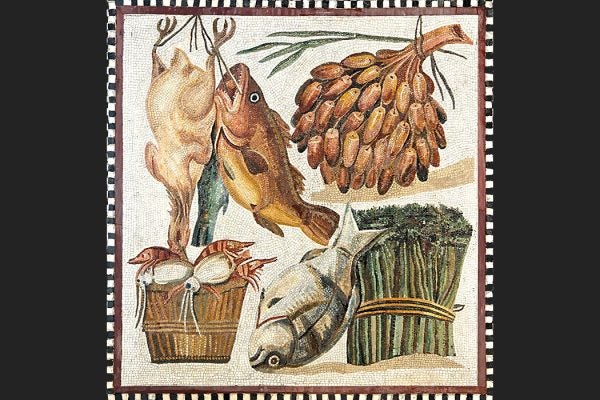
High Cuisine in Ancient France
An archaeologist explores how the division of upper- and lower-class cuisine may have developed in France more than 2,000 years ago.
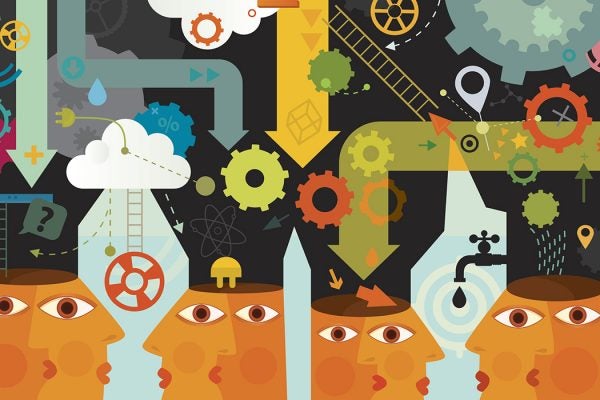
What is Memory?
Research suggests that memories may alter the brain's architecture, forming new synapses and strengthening existing ones.
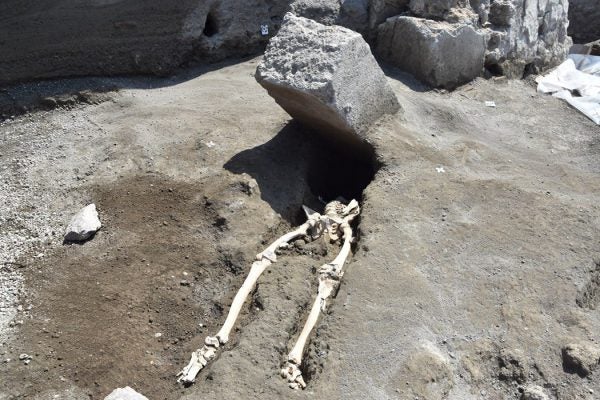
The Secrets of Pompeii
In 79 C.E., Mt. Vesuvius covered Pompeii with ash and pumice, preserving the remains of people trying to escape. Researchers have made a haunting new find.
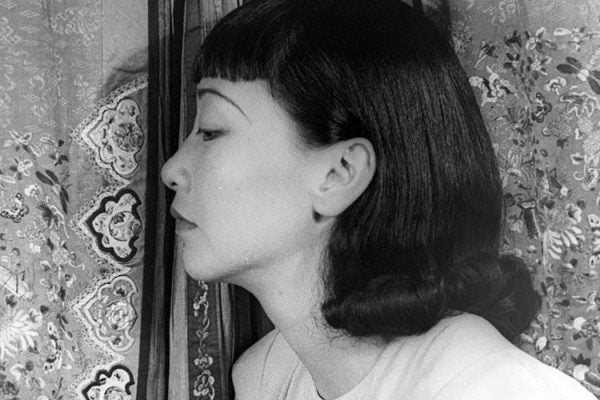
Hollywood’s Asian American Heroes
Asian American detectives played by actors Anna May Wong and Keye Luke had a minor but notable place in 1930s and 40s Hollywood.