
Linda Nochlin on “Why Have There Been No Great Women Artists”
Art historian and critic, Linda Nochlin changed the field of art history, shifting both the field and the viewer’s gaze.
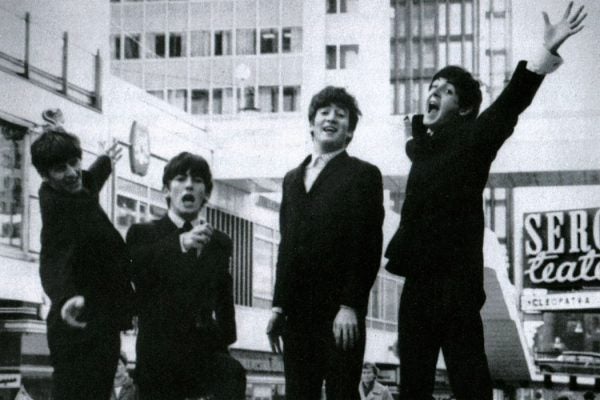
The High School Hair Wars of the 1960s
Following the introduction of the mop top by the Beatles, the battle over how long school boys could wear their hair in the 1960s and 1970s went to the courts again and again.

Bioethics: Key Concepts and Research
Two experts in bioethics have curated a reading list of over 20 JSTOR sources on selected issues like: gene-editing, research and treatment, reproduction, disability, genetics, genealogy and race.
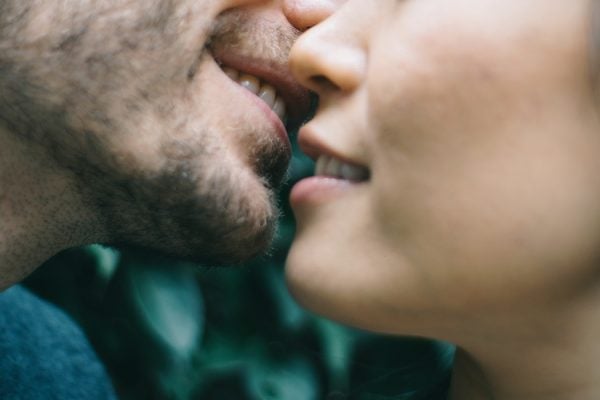
The Murky Linguistics of Consent
In many #MeToo stories, crucial signals, verbal and non-verbal cues, are sent but not received. Why is that?
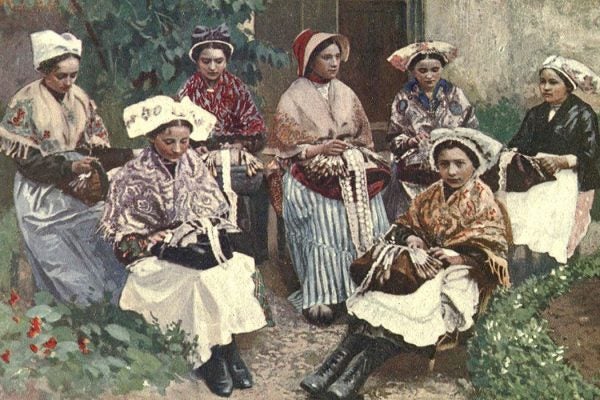
How the Victorians Politicized Lace
Scholar Elaine Freedgood tells the story of how, in the face of encroaching industrialism, handmade lace enjoyed a frilly revival.
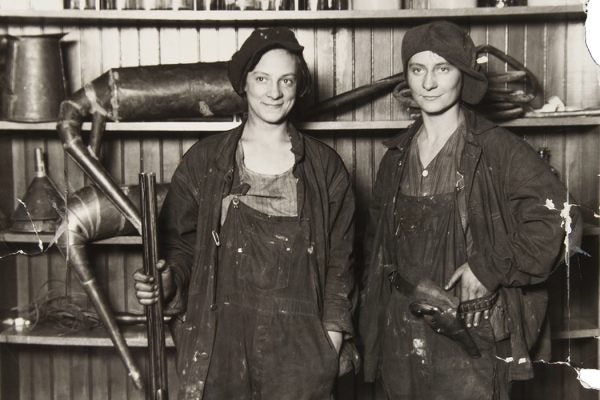
How Prohibition Encouraged Women to Drink
During Prohibition, American women “made, sold, and drank liquor in unprecedented fashion,” writes historian Mary Murphy.
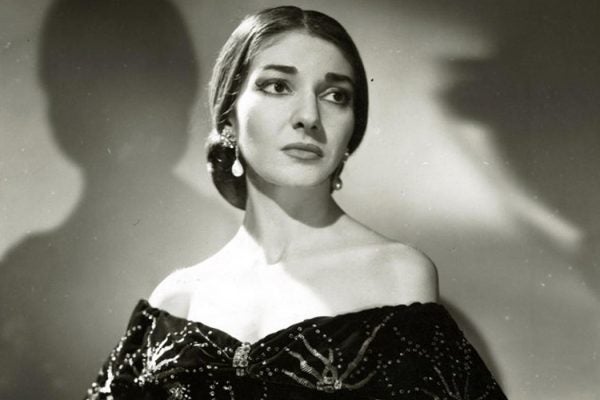
Why Verdi Wrote an Opera about Sex Work
Giuseppi Verdi's 1853 opera La Traviata was a shocker when it was first performed. Nineteenth-century audiences didn't expect to watch a sex worker die of tuberculosis at the opera.
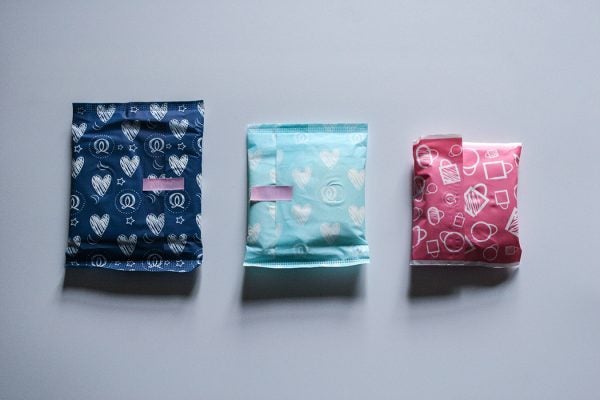
The Secret History of Menstruation
Menstruation is both a mundane fact of life and an oddly under-discussed subject. For many centuries, Western industrial societies have simply ignored it.
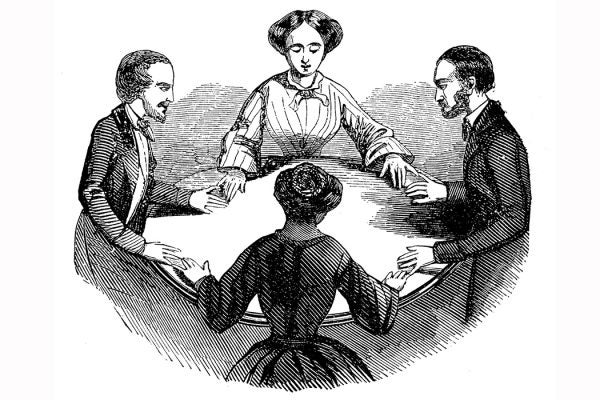
When Women Channeled the Dead to be Heard
Spiritualism was one of the nineteenth-century's most successful religious innovations, a movement of individuals who yearned for a religion which united mysticism and science.
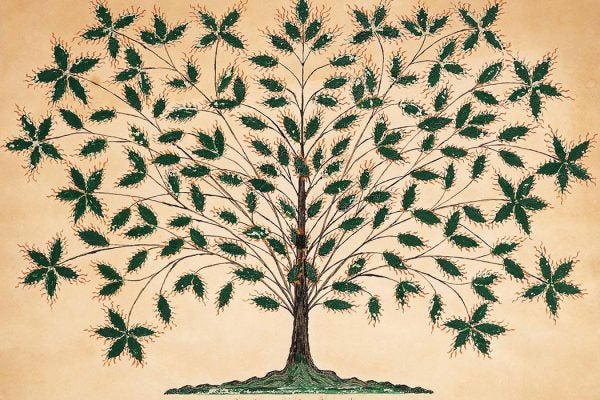
The Shaker Formula for Gender Equality
Shaker communities seem to have appealed to a lot of women because they offered a respite where their work was honored and respected.