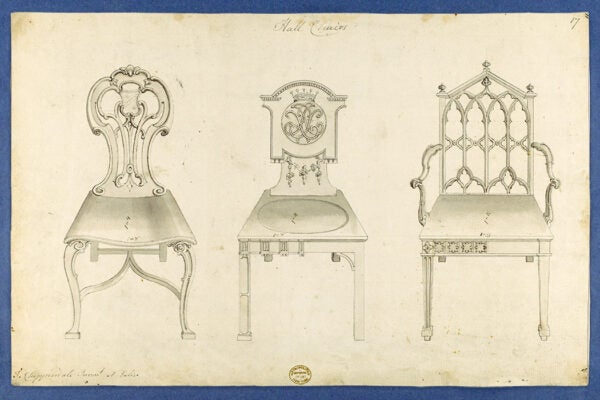
The Shakespeare of English Furniture?
Not much is known about eighteenth-century furniture designer Thomas Chippendale, making his life and work perfect for mythologizing after his death.
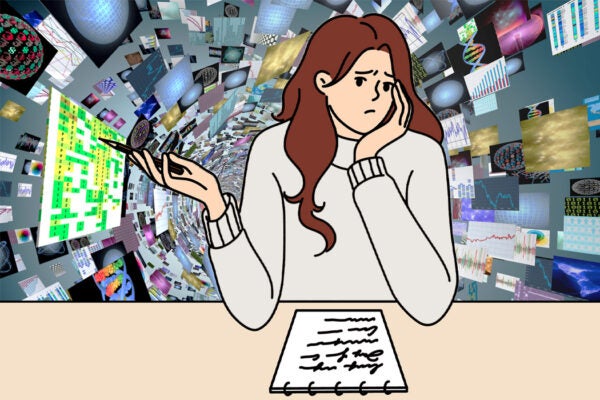
Digital Overload
How can contemporary biographers contend with the explosion of materials at their disposal?
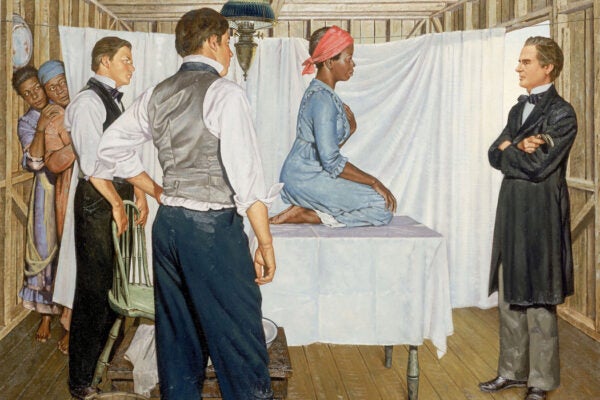
Legacies Lost and Found
Say Anarcha tells the story of the enslaved women experimented on by a self-aggrandizing gynecologist. Its related online archive aims to reinvent the nature of bibliography.
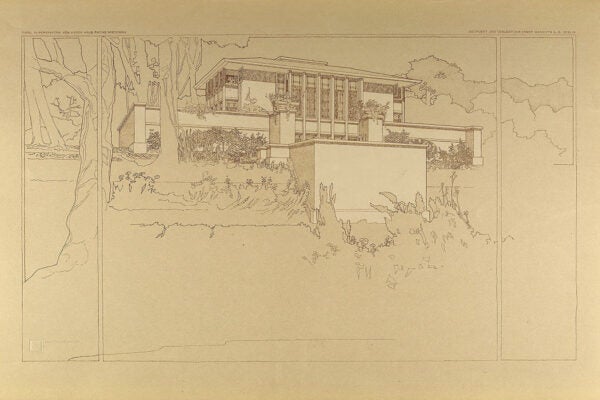
Marion Mahony Griffin, Prairie School Architect
A founding member of the Prairie School, Mahony defined the movement’s now-familiar aesthetic for a global audience.
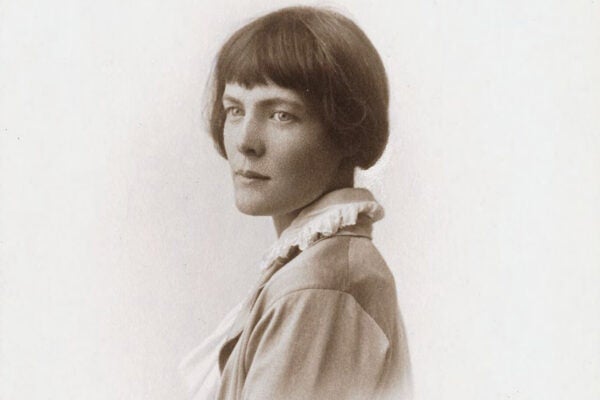
Remembering H.D.
Hilda Doolittle, aka H.D., had her champions among modern scholars, but she's still often left off modern poetry course syllabi.
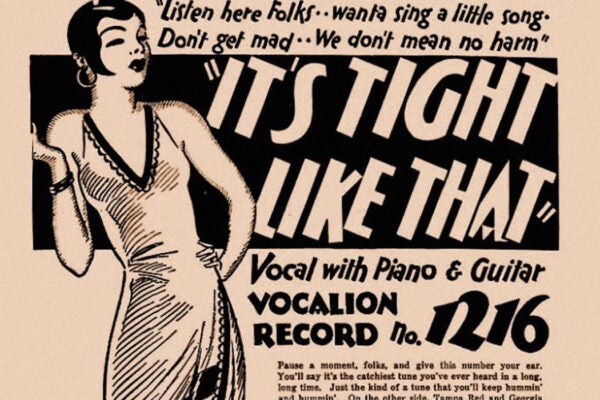
“It’s Tight Like That”
A "dirty" song recorded by Georgia Tom and Tampa Red in 1928 launched the "hokum" blues.
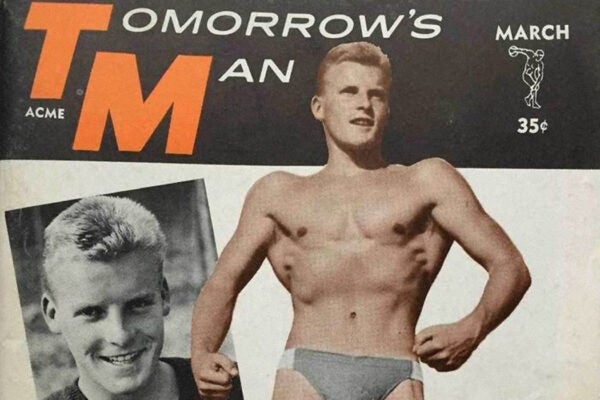
Gay Mass Consumption Before Stonewall
In the 1960s, the Mattachine Society had only a few thousand members. But tens of thousands of men subscribed to physique magazines published by gay entrepreneurs.
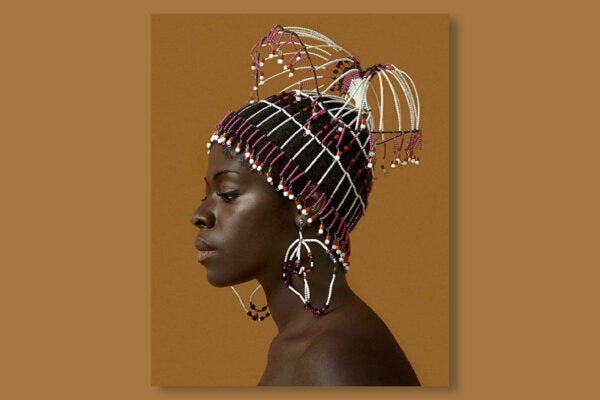
Kwame Brathwaite Showed the World that Black is Beautiful
Photographing everyone from musicians to athletes to the person on the street, Brathwaite found the beauty in Blackness and shared it with the world.
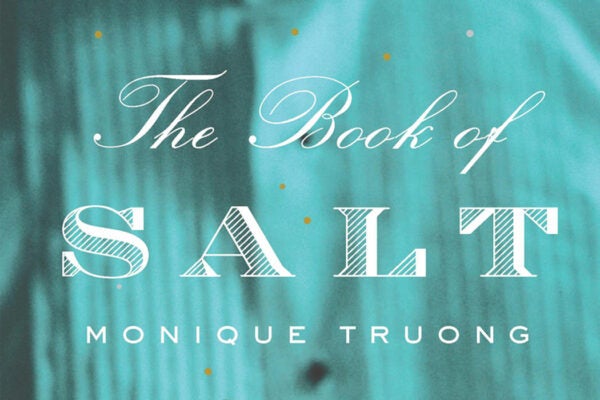
Monique Truong’s The Book of Salt
Centered on the Stein-Toklas household and written from the point of view of their gay Vietnamese cook, Binh, this novel tells a story of converging queer diasporas.
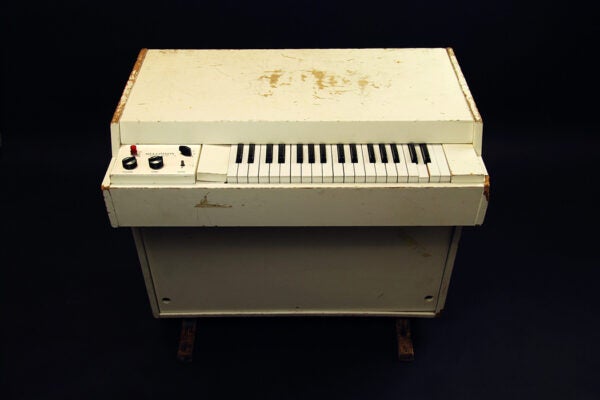
Tape Heads
The Mellotron, an electronic keyboard of recorded samples, heralded the digital age, and its use in “Strawberry Fields Forever” changed pop music history.