It’s a complicated holiday, Presidents’ Day. Marked at the federal level as George Washington’s birthday and at the state and city level as a commemoration of both Washington’s and Abraham Lincoln’s birth, it’s a holiday that seems to gesture toward the presidency without ever settling on a singular office holder. Some states celebrate both Washington and Lincoln on the third Monday in February, some uplift only Washington’s memory. And at least one state throws Thomas Jefferson’s birthday into the mix, even though Jefferson wasn’t born in February (we’re looking at you, Alabama).
Weekly Newsletter
/* "function"==typeof InitializeEditor,callIfLoaded:function(o){return!(!gform.domLoaded||!gform.scriptsLoaded||!gform.themeScriptsLoaded&&!gform.isFormEditor()||(gform.isFormEditor()&&console.warn("The use of gform.initializeOnLoaded() is deprecated in the form editor context and will be removed in Gravity Forms 3.1."),o(),0))},initializeOnLoaded:function(o){gform.callIfLoaded(o)||(document.addEventListener("gform_main_scripts_loaded",()=>{gform.scriptsLoaded=!0,gform.callIfLoaded(o)}),document.addEventListener("gform/theme/scripts_loaded",()=>{gform.themeScriptsLoaded=!0,gform.callIfLoaded(o)}),window.addEventListener("DOMContentLoaded",()=>{gform.domLoaded=!0,gform.callIfLoaded(o)}))},hooks:{action:{},filter:{}},addAction:function(o,r,e,t){gform.addHook("action",o,r,e,t)},addFilter:function(o,r,e,t){gform.addHook("filter",o,r,e,t)},doAction:function(o){gform.doHook("action",o,arguments)},applyFilters:function(o){return gform.doHook("filter",o,arguments)},removeAction:function(o,r){gform.removeHook("action",o,r)},removeFilter:function(o,r,e){gform.removeHook("filter",o,r,e)},addHook:function(o,r,e,t,n){null==gform.hooks[o][r]&&(gform.hooks[o][r]=[]);var d=gform.hooks[o][r];null==n&&(n=r+"_"+d.length),gform.hooks[o][r].push({tag:n,callable:e,priority:t=null==t?10:t})},doHook:function(r,o,e){var t;if(e=Array.prototype.slice.call(e,1),null!=gform.hooks[r][o]&&((o=gform.hooks[r][o]).sort(function(o,r){return o.priority-r.priority}),o.forEach(function(o){"function"!=typeof(t=o.callable)&&(t=window[t]),"action"==r?t.apply(null,e):e[0]=t.apply(null,e)})),"filter"==r)return e[0]},removeHook:function(o,r,t,n){var e;null!=gform.hooks[o][r]&&(e=(e=gform.hooks[o][r]).filter(function(o,r,e){return!!(null!=n&&n!=o.tag||null!=t&&t!=o.priority)}),gform.hooks[o][r]=e)}}); /* ]]> */Get your fix of JSTOR Daily’s best stories in your inbox each Thursday.
To help inform your celebration of Presidents’ Day, we’ve gathered some of our best JSTOR Daily stories on Washington, Lincoln, and related government documents. And like Alabama, we’re throwing in a bit of Jefferson, too.
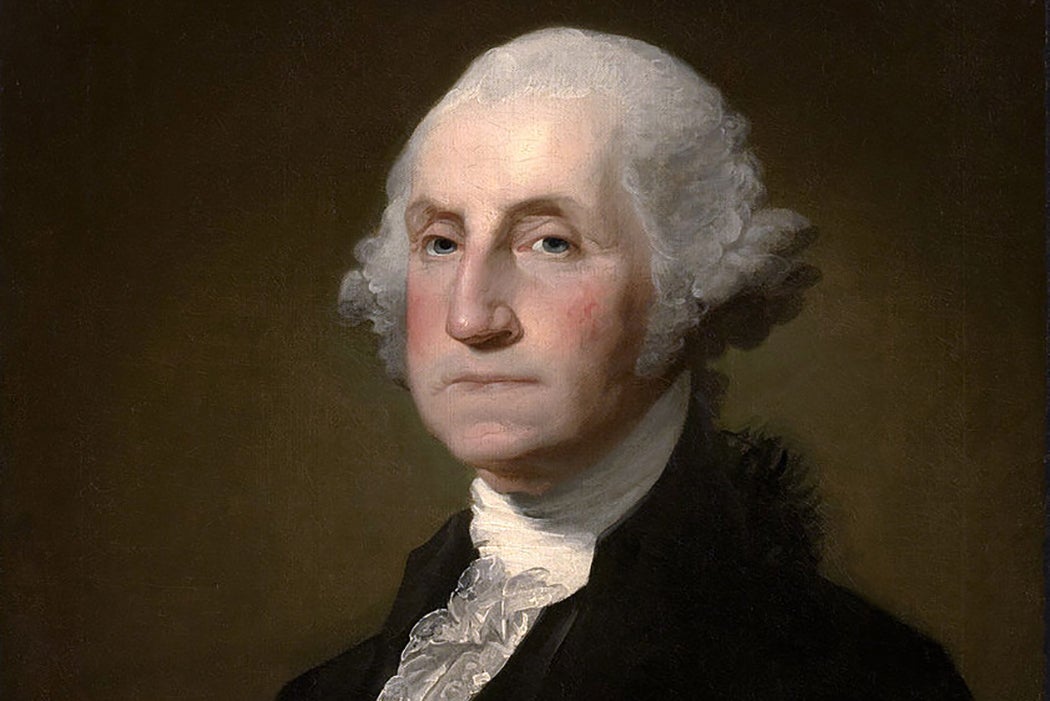
What Is Presidents’ Day Actually About?
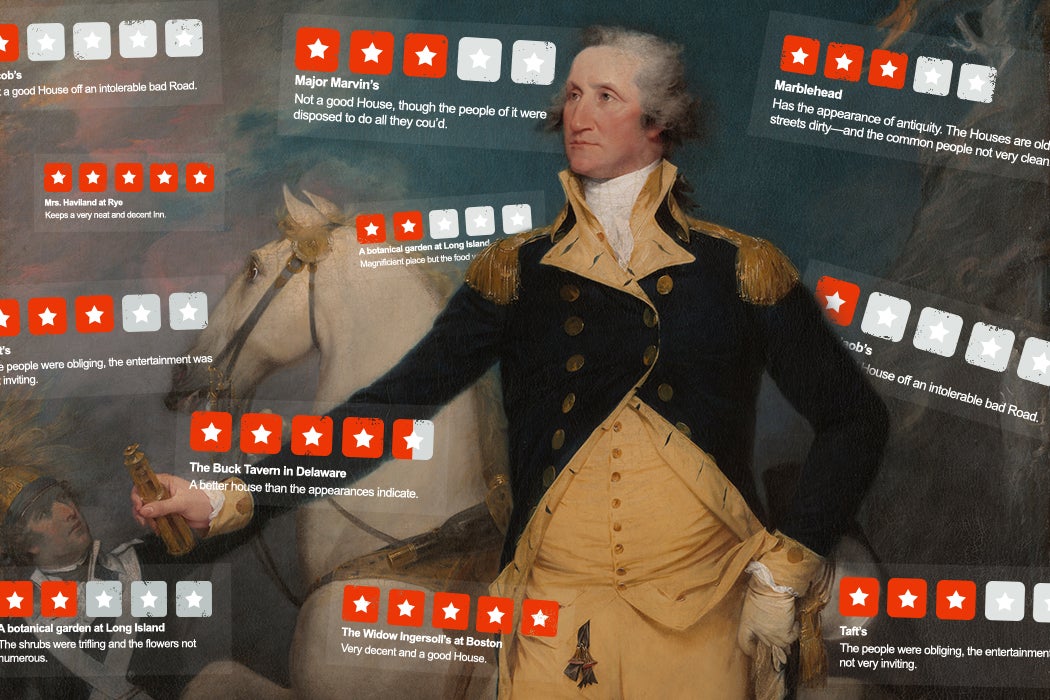
George Washington’s “Yelp Reviews”
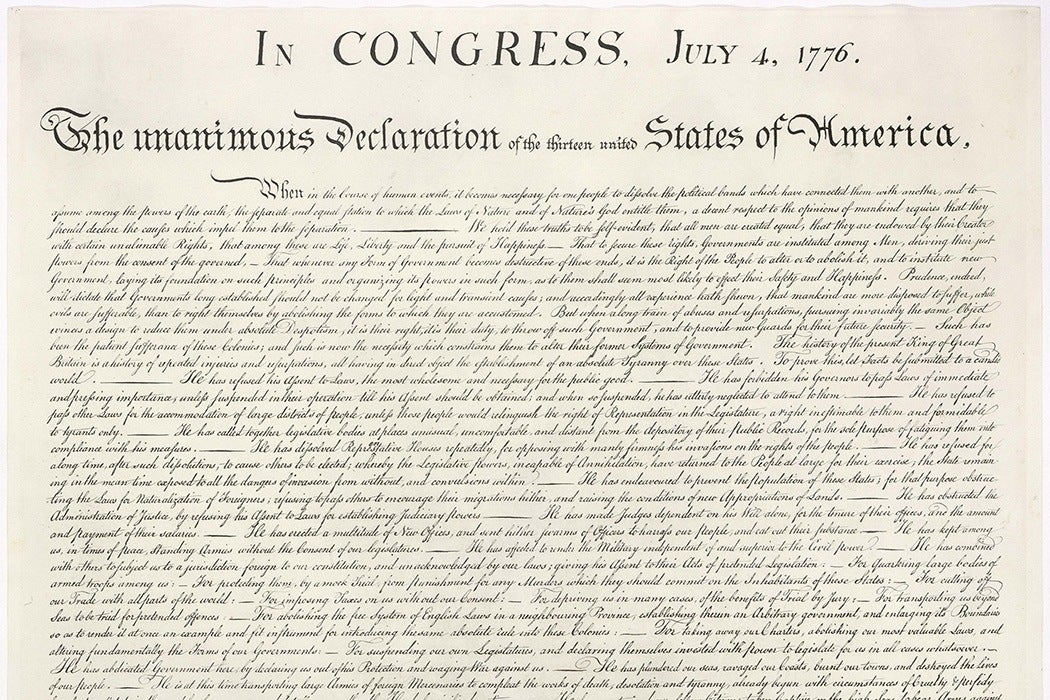
Who Wrote the Declaration of Independence?
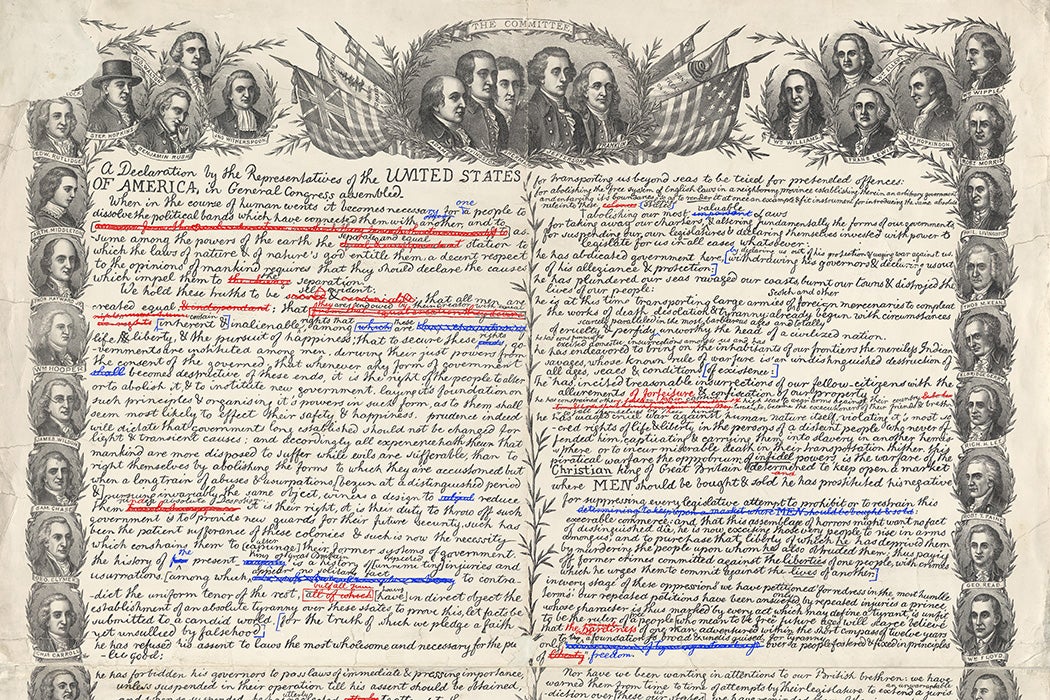
The Declaration of Independence: Annotated
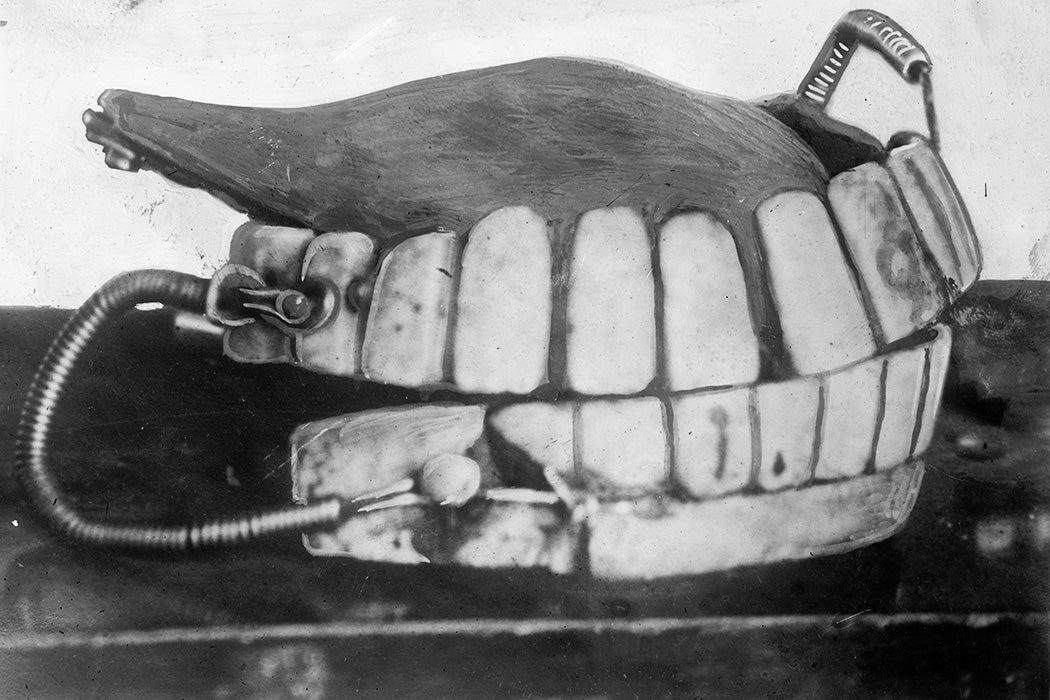
Were George Washington’s Teeth Taken from Enslaved People?
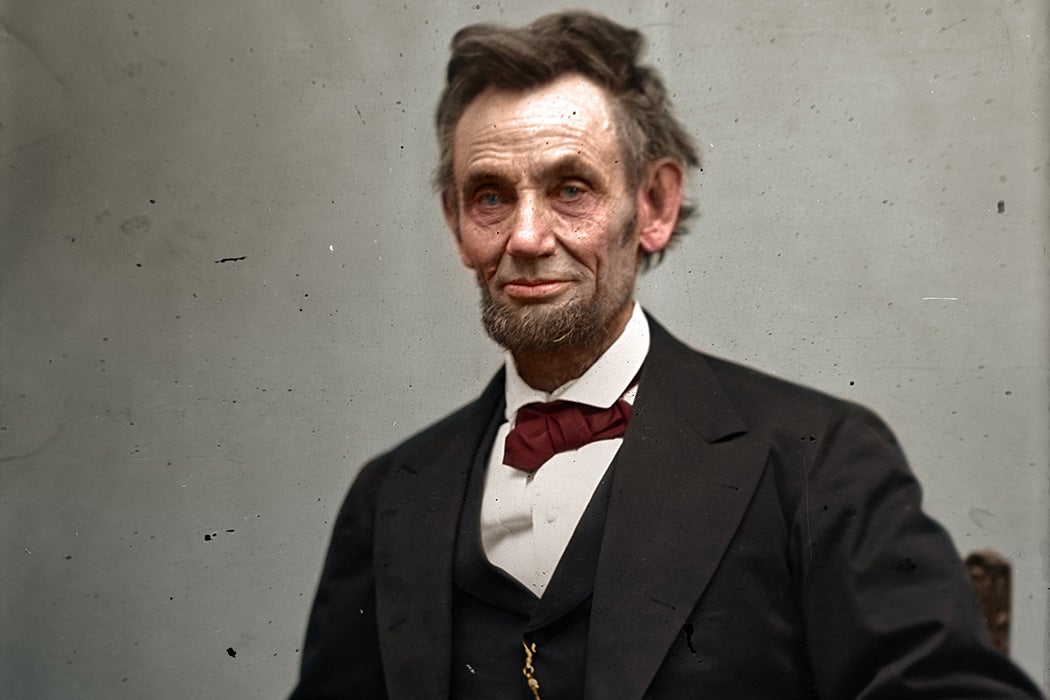
Abraham Lincoln’s Labor Theory of Value
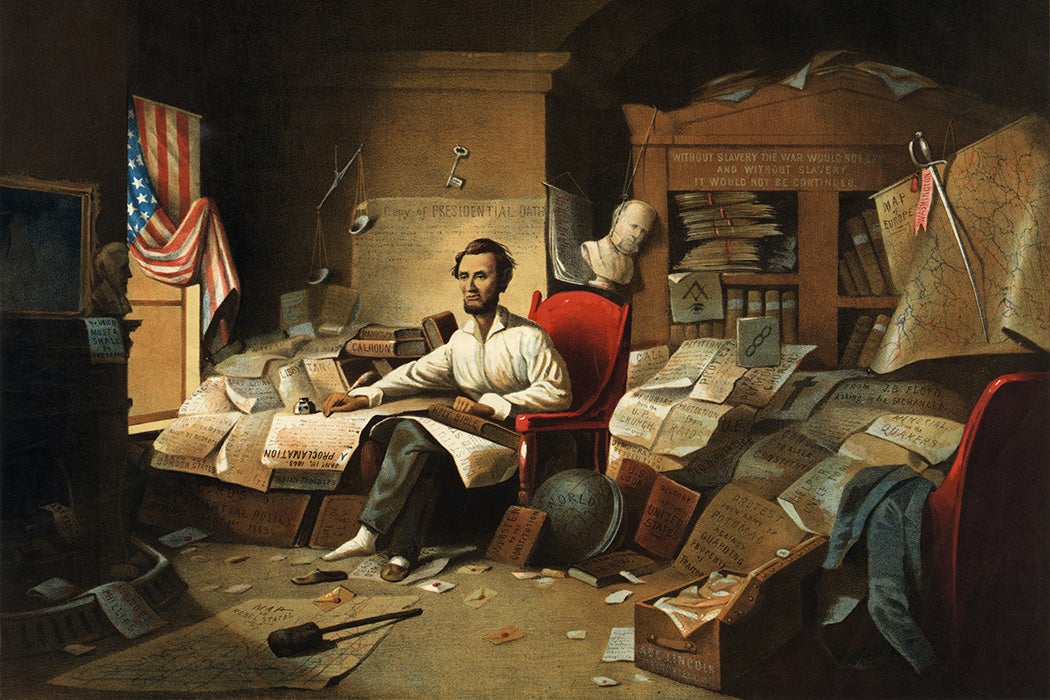
The Emancipation Proclamation: Annotated
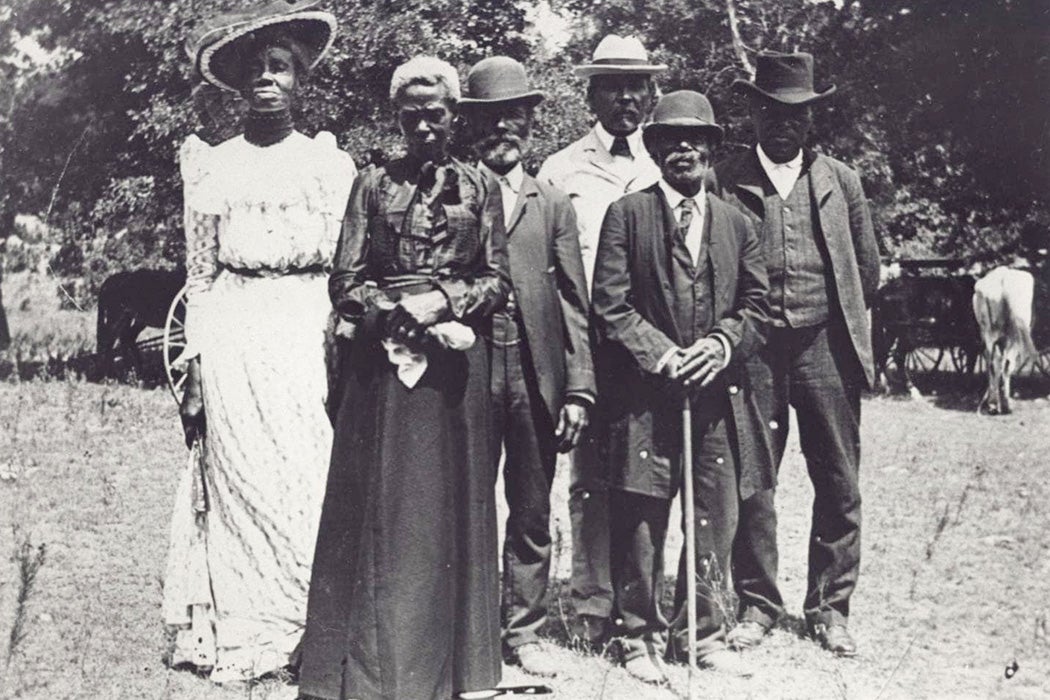
Juneteenth and the Emancipation Proclamation
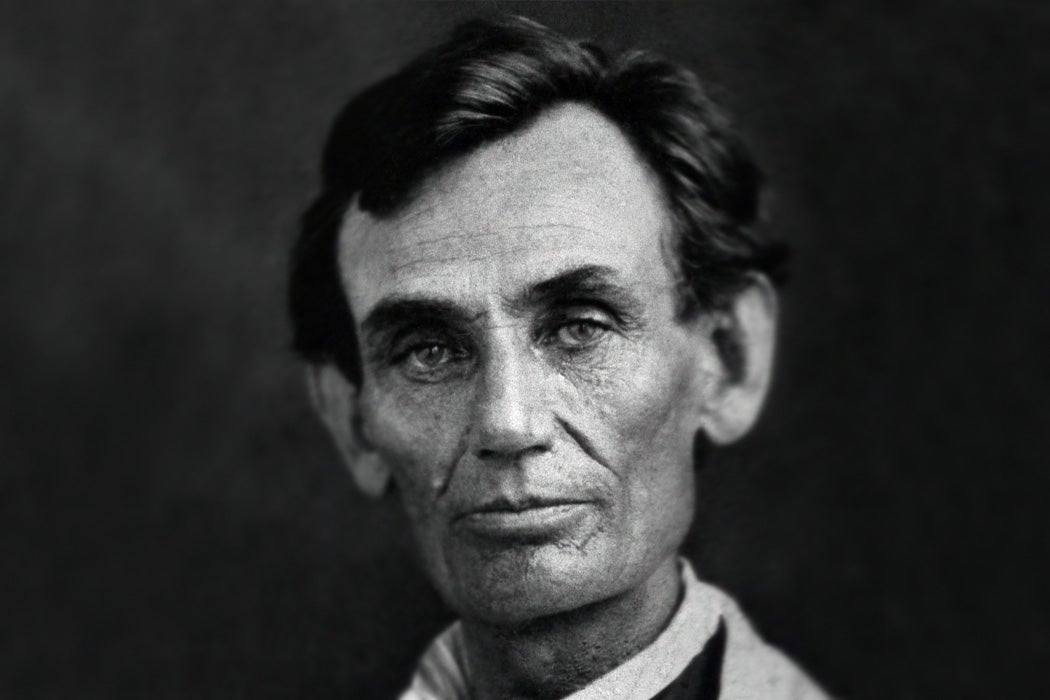
When and Where Did Abraham Lincoln Write the Gettysburg Address?
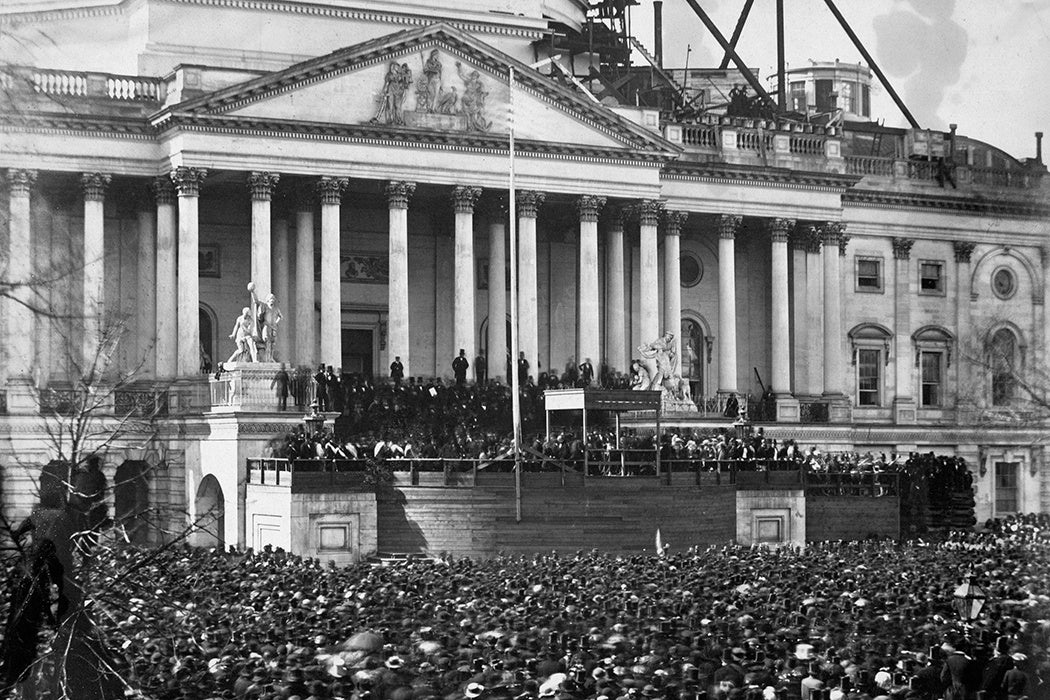
The Most Contentious Presidential Transition in American History
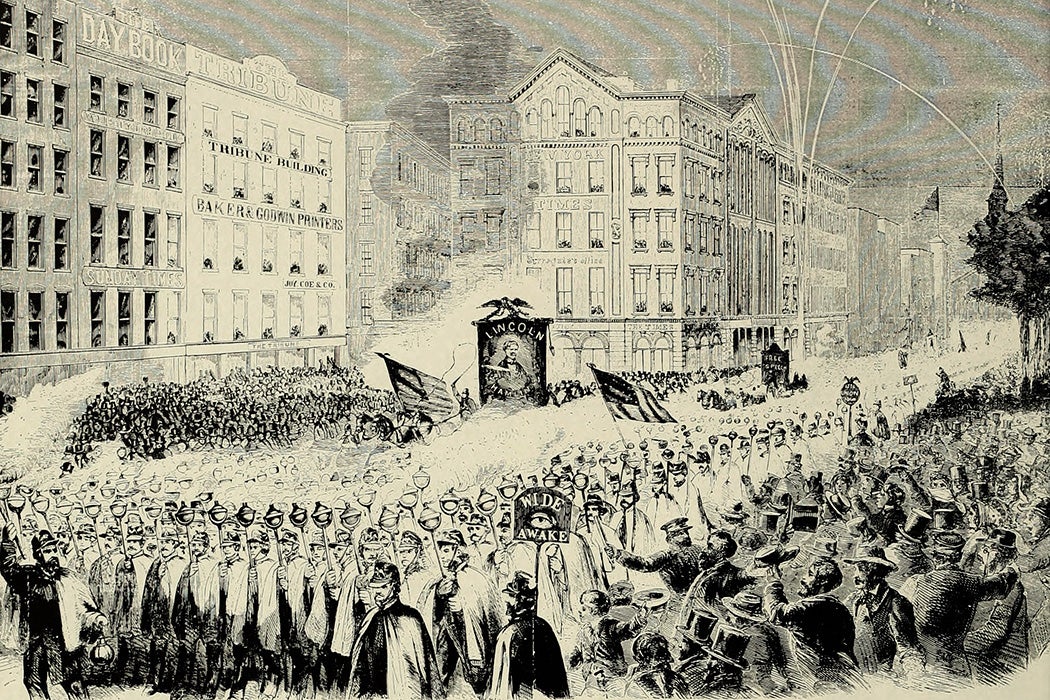
Abolitionist “Wide Awakes” Were Woke Before “Woke”
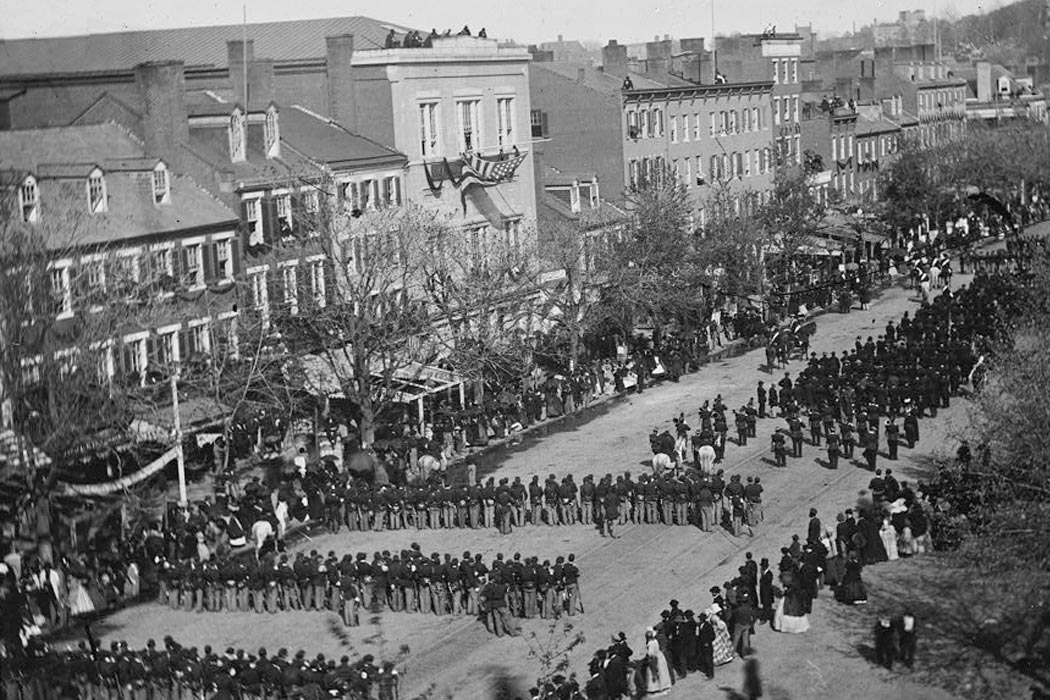
Forgetting Abraham Lincoln
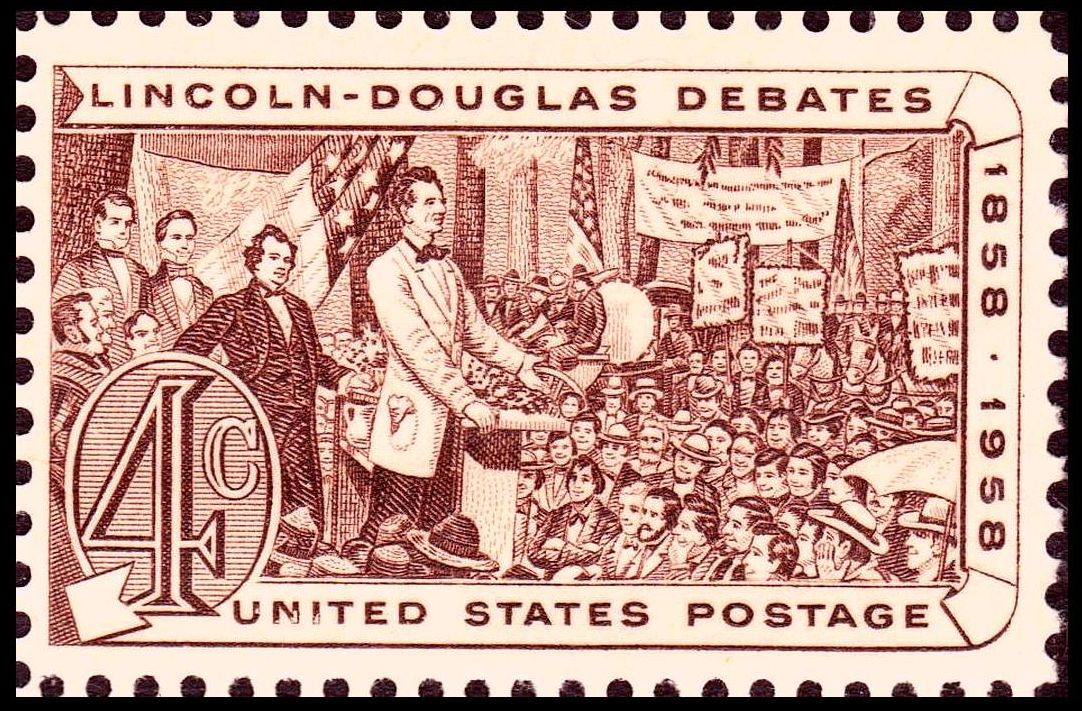
Recording History: The Lincoln-Douglas Debates
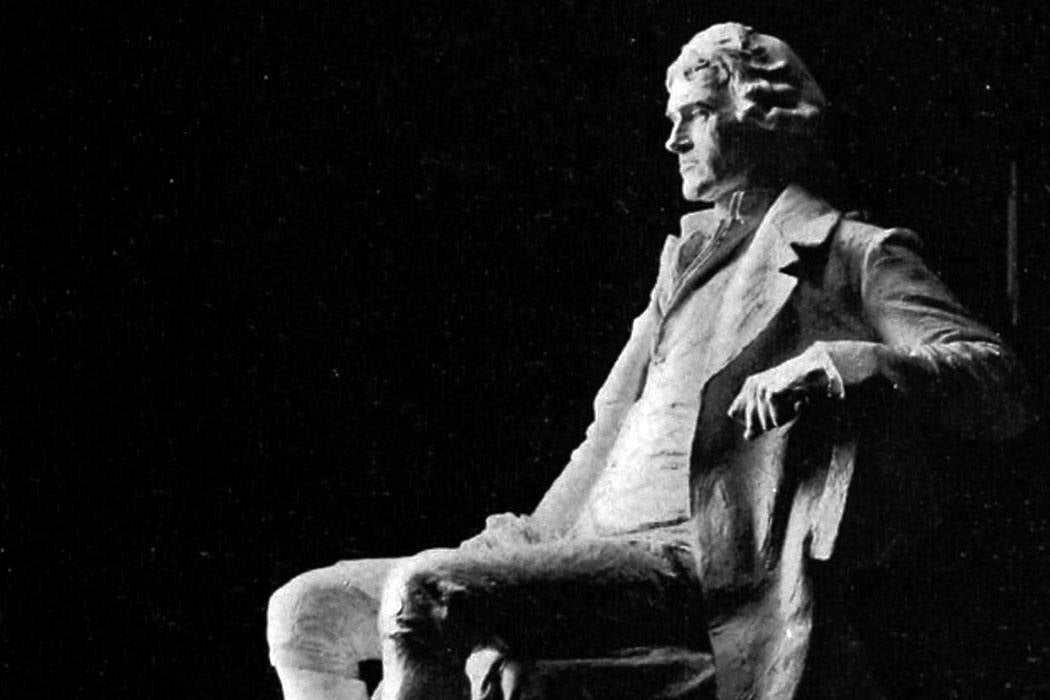
What Are We to Make of Thomas Jefferson?
![A Chelsea Pensioner, wearing a sprig of orange blossom [?] in his buttonhole, sipping a dish of tea. Engraving by J. Jenkins after M. W. Sharp, 1840](https://daily.jstor.org/wp-content/uploads/2026/02/consuming_the_empire_alt_1050x700-600x400.jpg)