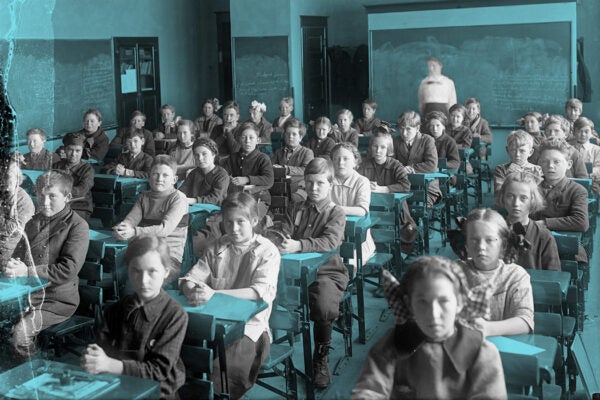
Education in museums is often used as a tool to advance access and equity, offering unique learning experiences for diverse audiences. In an interview, Veronica Alvarez, executive director of Los Angeles–based Create CA, a leading arts education advocacy organization, describes how works of art can become teaching tools. She points to Paul Cézanne’s Still Life with Apples to teach the English word “apple” in an English-language learning program at the Getty Museum in Los Angeles, transforming a simple vocabulary lesson into a conversation about art.


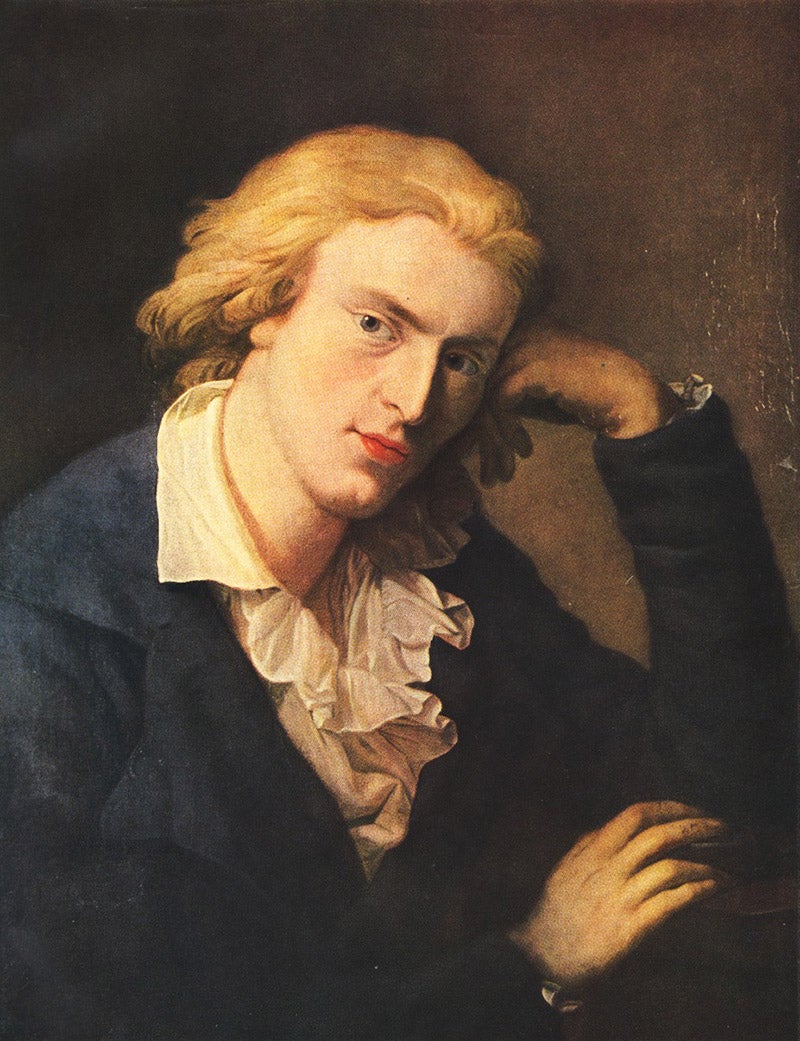
This kind of engagement with beauty, art, and the aesthetic is what Friedrich Schiller would describe as “aesthetic education.”
Schiller’s Case for Aesthetic Education
Friedrich Schiller’s Letters on the Aesthetic Education of Man (1795) argues that freedom requires engagement with the aesthetic. For Schiller, aesthetic education is also the path to equality: through encounters with art, people cultivate moral judgment and self-improvement. Writing in the aftermath of the French Revolution, Schiller argued that the revolution fell short of true liberation because its emphasis on reason led to the dismissal of feeling. Reason alone, he maintained, is insufficient to transform people into moral agents.
Aesthetic education in museums and classrooms can be transformative. It has made students “look forward to going to school,” and those experiences have inspired students, parents, and educators to advocate for the “right to … arts education” for all students. Yet access remains uneven. While museum education opens the door to engagement with collections and exhibitions, not all students have an “equal opportunity to make use of” society’s “cumulative aesthetic wealth,” including the chance to visit museums.
Many educators advocate for increased access to arts education because they see it as essential to a “well-rounded education and student success.” Schiller’s theory offers a philosophical explanation for that conviction: aesthetic engagement helps cultivate the virtuous character needed to recognize and defend others’ rights. Philosophers Samantha Matherne and Nick Riggle argue that this process is essential to achieving a society that “recognizes every citizen as [having equal rights].” They also caution, however, that cultivating such a character through aesthetic education is no easy task, given the tensions that exist within human nature.
Schiller explains our sensuous and rational nature in terms of “drives”: the “sensuous drive,” rooted in feeling, and the “formal drive,” grounded in reason. The sensuous drive governs how we experience the world through our senses, while the formal drive shapes our theoretical activities, including thought, as well as practical activities like deliberation.
In our natural state, the sensuous and formal drives conflict with each other. Through engagement with the aesthetic, however, Schiller argues that these competing drives can be brought into harmony, allowing us to develop what he calls a “wholeness of character.” When feeling and reason are integrated in this way, people are better equipped to address social and political problems, including educational inequality.
What Museums Make Possible
Schiller calls the harmony between these two drives the “play drive.” He argues that beauty is its object, and that people are most fully human when they “play”—that is, when they engage with the aesthetic. In this state, they are no longer governed solely by feeling or reason. Instead, they are free to determine themselves—a freedom that, for Schiller, lies at the heart of human flourishing.
For Schiller, the benefits of aesthetic engagement extend beyond the individual. The aesthetic fosters not only internal harmony between feeling and reason, but also the shared sense of humanity that makes political freedom possible. Through aesthetic experience and play, citizens develop the “social character” needed to recognize one another as equals, laying the groundwork for political freedom and equality.
More to Explore

Asking Scholarly Questions with JSTOR Daily
Citizens with a social character “encourage the balancing of their fellow citizens’ rational and sensual capacities” by recognizing and responding to one another’s humanity and creative potential. Museums, through their collections and exhibitions, can help cultivate this balance by inviting visitors to engage in aesthetic experiences together. When Alvarez replaced a flashcard with Cézanne’s Still Life with Apples, she transformed her language lesson into the kind of shared aesthetic experience Schiller believed could cultivate both individual growth and civic life.
Expanding Access to Beauty
Yet not everyone has equal access to such opportunities. For many students, one of the educational opportunities that remains out of reach is a visit to a museum. Aesthetic education can open the door to forms of “cultural capital” that shape future educational and professional opportunities, including “getting a job.” When students from all backgrounds can participate in these experiences, opportunities to engage with the aesthetic help expand both educational and cultural opportunities.
Museums offer “a wide range of opportunities for learning outside of the classroom” through organized visits that engage students and classroom educators with their collections in accessible ways. Museum educators invite students to “[contribute their] perceptions and knowledge to a collective experience that [allows them] to understand and appreciate [works] more fully.” By engaging with works of art alongside their peers, students learn not only to appreciate beauty, but also to recognize the humanity, freedom, and creative potential of others.
Weekly Newsletter
"*" indicates required fields
By engaging with the aesthetic in museums or elsewhere, individuals enter what Schiller calls a state of “play,” bringing “life experiences, personal values, and a unique perspective to a work of art.” Through that shared engagement, learners become more receptive to the humanity of others, cultivating the character needed to advocate for broader access to the kinds of transformative experiences that art can provide.
Cézanne himself was inspired by the works of art he encountered in museums like the Louvre, striving to create paintings “like the art of the museum.” Today, his own paintings do more than reward close looking. They can become vehicles for aesthetic education, fostering the kind of curiosity, empathy, and shared understanding that inspires people to expand those opportunities for others.
For the Classroom
- Display an artwork without identifying the artist, title, or date. Give students two uninterrupted minutes simply to look. Invite them to write five observations using only what they can directly see before introducing historical context. Then ask: Which parts of your interpretation changed once you knew more? Which stayed the same?
- Following Veronica Alvarez’s example, replace a vocabulary list, historical term, or abstract concept with a single artwork. Rather than asking students to define the concept immediately, invite them to generate language from careful observation before introducing formal terminology. Conclude by discussing what the artwork made possible that a conventional definition would not.