
How Facebook Revived the Epistolary Friendship
Would today's online, social media-based friendships look familiar to the letter-writing friends of earlier centuries, when epistolary friendships were also common?
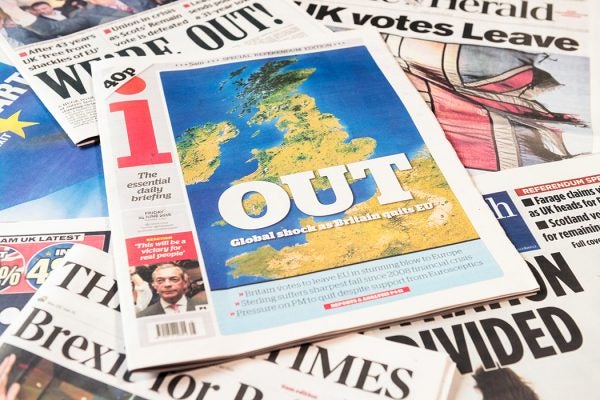
Are Referendums Good For Democracy?
Referendums have a way of turning everyone into a self-proclaimed political expert. But does giving a population the chance to directly weigh in on a specific issue lead to a more informed voting public?

Why Does the U.S. Sentence Children to Life in Prison?
The U.S. is the only country in the world that sentences people to die in prison for offenses committed while under the age of 18.

The Extremely Un-British Origins of Tea
Tea is bound up in the nation's history of colonial expansion. British tea drinkers preferred Chinese tea at first, and had to be convinced on patriotic grounds to drink tea from India.

Queer Time: The Alternative to “Adulting”
What constitutes adulthood has never been self-evident or value-neutral. Queer lives follow their own temporal logic.
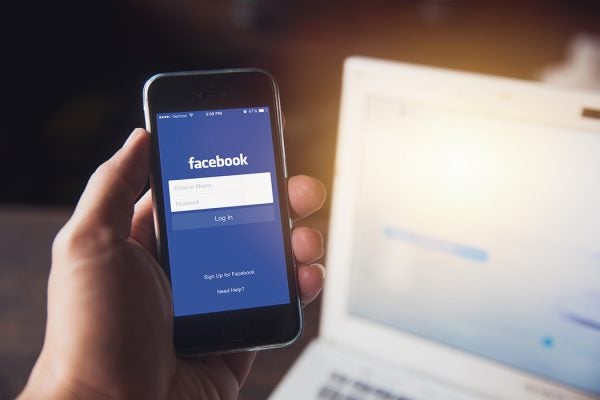
Why Facebook Can Be Good For Your Health
Is Facebook bad for your mental health? Researchers have been studying the profound impact social bonds can have on health since the 1970s.

Sex and the Supermarket
Supermarkets represented a major innovation in food distribution—a gendered innovation that encouraged women to find sexual pleasure in subordination.

What Do We Lose When We Lose a Species?
Debates about the moral value of biodiversity are longstanding in the world of environmental ethics, and the issue is far from settled.

The Secret Sign Language of the Ottoman Court
Deaf servants were favored companions of the Ottoman sultan, and their facility in nonverbal communication made them indispensable to the court.

How Forensic DNA Evidence Can Lead to Wrongful Convictions
Forensic DNA evidence has been a game-changer for law enforcement, but research shows it can contribute to miscarriages of justice.