
Why Can’t the TSA Just Go on Strike?
The post-9/11 expansion of federal powers over transportation security was also an extension of power over the security workforce.

The Many Metaphors of Brexit
How do metaphors shape political perceptions? And what do they mean for the future of Europe?

The Plan to Sell Texas to Great Britain
Stephen Pearl Andrews, a lawyer, Houston socialite, and abolitionist, concocted a plan to free Texas' slaves—with a hint of treason.

The Case for Lowering the Voting Age
If the standard we hold for who can vote is the consent of the governed, why shouldn’t children be included?

Is the 30-Year-Long Styrofoam War Nearing Its End?
Neither banning nor recycling will rid us of Styrofoam. Can we live without it?
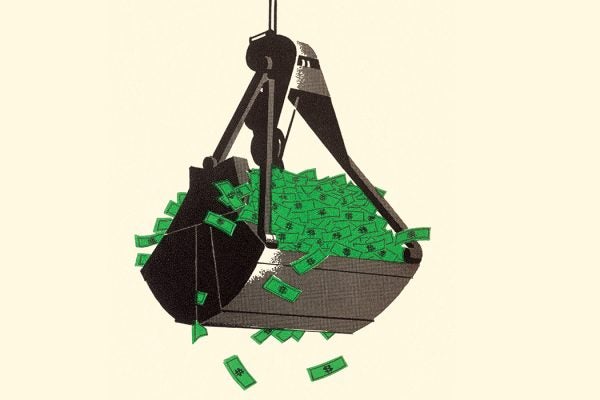
Can Universal Basic Income Achieve Economic Security?
A wealthy country like the United States needs a solution for improving the supply and fairness of work overall. Is universal basic income the way to go?
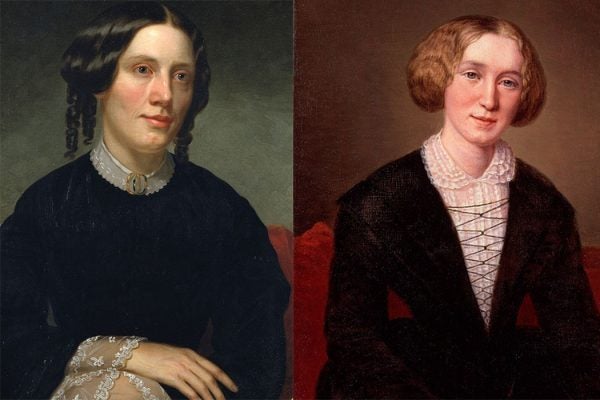
When Harriet Beecher Stowe and George Eliot Were Penpals
These 19th-century novelists might seem to have little in common. But for 11 years they wrote each other letters, forging an unusual literary friendship.
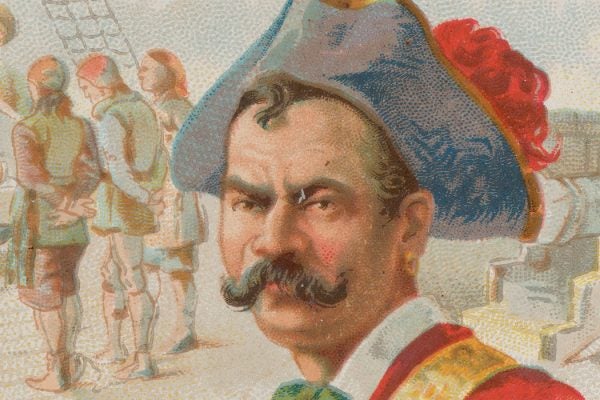
The Pirate Creed
Examining the 18th-century social contract of Captain Bartholomew Roberts and his men shows just how organized and codified pirate societies could be.
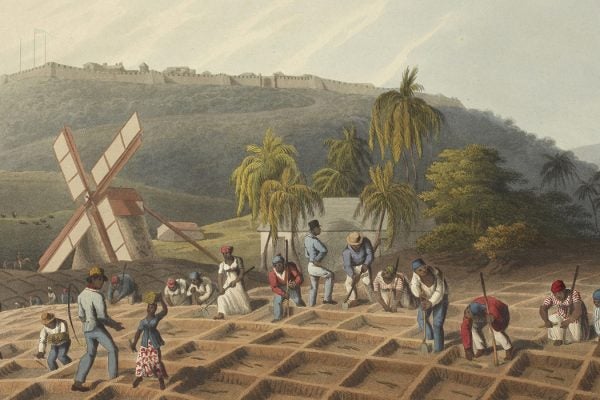
Did Venereal Disease Lead to Abolition?
Many abolitionists seeking to end slavery in the British West Indies were concerned less with human rights, more with the preponderance of what they saw as "interracial sex."
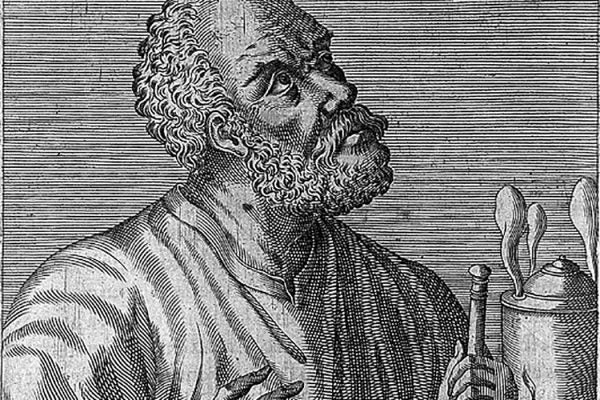
How to Create a Human Being
The Book of Stones, a central alchemical text, contained formulae with the power to create living tissue from ordinary matter, supposedly.