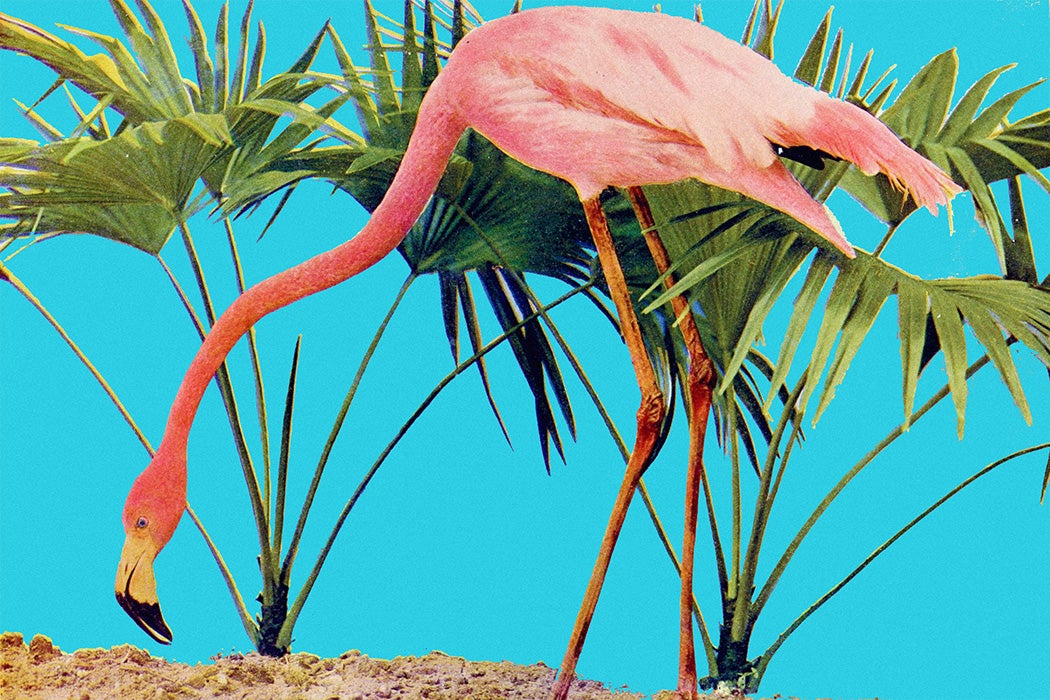
The only flamingo native to North America was exterminated in Florida by the early part of the twentieth century. They were killed for their feathers, eggs, and meat, while their wetlands habitat was destroyed for development and agriculture.


Though extirpated as animals, flamingos nonetheless became icons of the state. It may have started in the 1920s with the opening of the Flamingo Hotel in the Art Deco-a-go-go of Miami Beach. Since then, flamboyances of flamingos—the collective noun for the birds—have competed with oranges to symbolize the state.
Captive flamingos were brought as early as the 1920s from elsewhere in the Caribbean to amuse tourists. Plastic flamingos—invented in Massachusetts, of all places—were planted in yards to amuse homeowners. Flamingo mascots, flamingo souvenirs, and Pink Flamingo cocktails, a specialty of the eponymous hotel, have all utilized the long-legged, long-necked pink waders with wacky bills. The birds are even the symbol of the state lottery.
The Sunshine State could just as well be called the Flamingo State. The irony here is thick, because while there were captive flamingos, escaped captive flamingos, and the occasional storm refugee along with sightings of coastal flybys, there were no longer any wild breeding birds.
What geographer Aurora Fredriksen calls “the mass destruction of tropical ecologies in order to sell the idea of ‘the tropics’ to tourists” erased wild populations of flamingos from Florida. In other words, the making of modern Florida both unmade actual flamingos and remade them on a symbolic level.
“I had a nostalgic moment when I wished I might see what Audubon saw, a century and more ago. For the little horn shells were the food of the flamingo, once so numerous on this coast, and when I half closed my eyes I could almost imagine a flock of those magnificent flame birds feeding in that cove, filling it with their color,” wrote Rachel Carson in her book The Edge of the Sea (1955), written in the Keys, and quoted by Fredriksen.
More to Explore
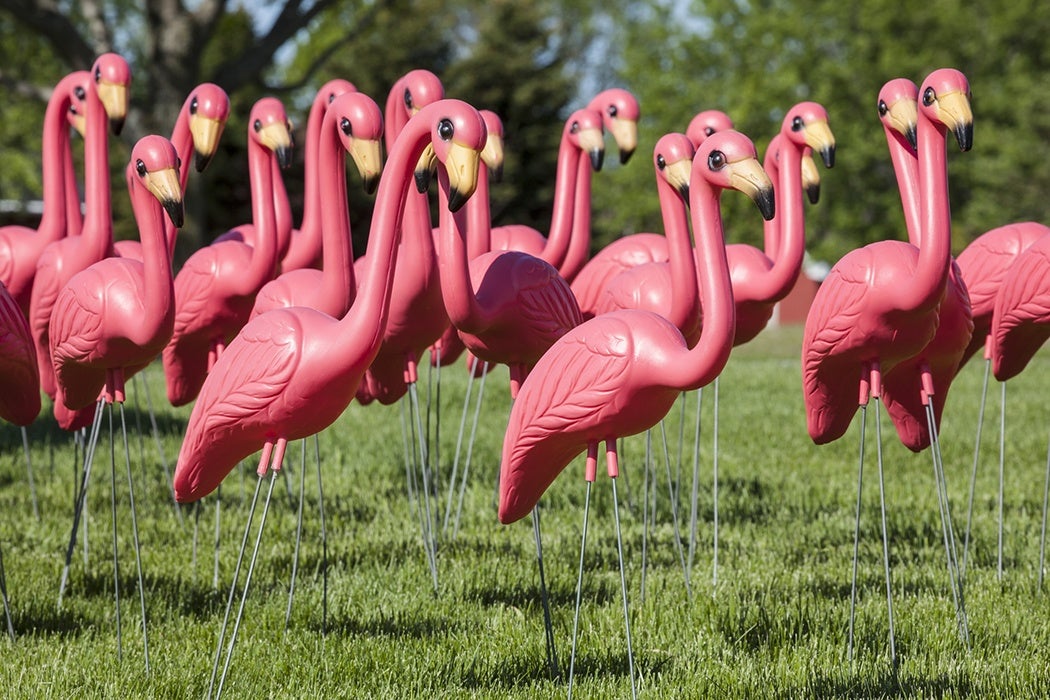
How the Plastic Pink Flamingo Became an Icon
Named Phoenicopterus ruber by Linnaeus, the American Flamingo is a highly social and wide-ranging nomadic species that is still found in good numbers in the Caribbean. Big storms can distribute them widely. For example, in 2023, Hurricane Idalia scattered individuals north to 17 states, including Kansas, Wisconsin, and Pennsylvania.
But symbolically, flamingo-festooned Florida hadn’t seen a wild population of them wading inland for more than a century until the spring of 2006. That year, as Fredriksen explains, a flock of them took up residence in Palm Beach County’s Stormwater Treatment Area 2 (STA-2), some 80 miles north of their traditional grounds in the Keys and the southern edges of the Everglades.
STA-2 is a 15,000-acre human-made wetland, part of an enormous complex “built to filter anthropogenic pollutants from storm runoff before it enters the Everglades.” The birds have returned since. The highest count reported by Fredriksen was 147 in 2014, but both 2017 and 2019 had counts of zero. South Florida Water Management District’s social media reported a couple there in April 2026.
The birds typically forage in STA-2 for a couple of months before heading elsewhere to breed, usually by May. Ornithologists and birders have been on the lookout for evidence that the birds have begun breeding once again in the United States.
Weekly Newsletter
"*" indicates required fields
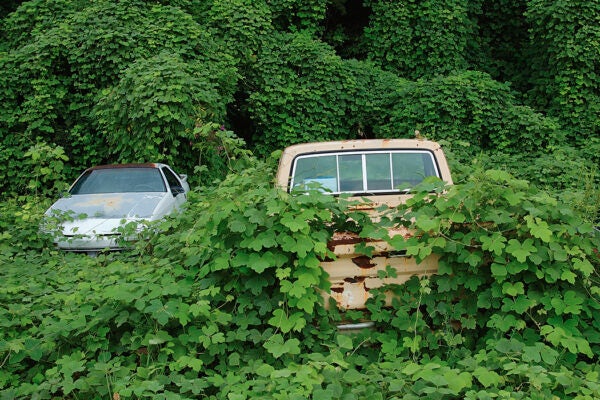
“The return of wild flamingos to Florida forces the unsettling realization that they were ever absent from Florida’s land- and seascapes to begin with,” writes Fredriksen. She likens them to revenants, ghosts, returnees from the dead. Notably, in our edge-of-the-apocalypse imaginations, they came to a place “built to mitigate the ecological damage of unending development and growth.”
The sporadic return “forces remembrance of the destruction of past flamingo populations, the ruination of flamingo bodies and habitats to the point where Florida was unlivable for these birds.” But the return is also one of possibilities, “a mere glimmer of possibility for birds that flock by the hundreds in Mexico and the Caribbean.” They may yet nest again in our ruins.
And, notes Fredriksen, in the big picture disasters of the Anthropocene, even glimmers are important.

_(20390615921).jpg)