In the second half of the nineteenth century, before the rise of public libraries, many people in remote parts of the United States got their hands on new books thanks to traveling salespeople. As literature scholar and archivist Jolie Braun writes, drawing on three memoirs from this era, women in that line of work had some distinct advantages but also faced serious hardships, both physical and social.


The booksellers visited homes and businesses with sample books, took orders, and then later delivered the books and collected payment. Braun writes that popular volumes included Bibles, farming and health manuals, biographies, and fiction. Ulysses S. Grant’s memoirs and the works of Mark Twain were popular choices. Many books published using this “subscription” model sold hundreds of thousands of copies.
While the vast majority of book peddlers were men, some publishers recruited women with the idea that they would be well suited to sell books on health and hygiene to female readers, and also that customers would find them sympathetic.
In an 1868 account of her work selling books across northern Illinois and Indiana, Annie Nelles Dumond described taking up the work out of necessity. She wrote that, seeking to escape a difficult childhood, she married young to a man who turned out to already have a wife and children. A second husband abandoned her. So Dumond sought ways to support herself.
When she began selling books, she wore a mourning bonnet. She acknowledged that this was deceptive but wrote that it was “almost necessary to my self-preservation that my past should not be known.”
More to Explore
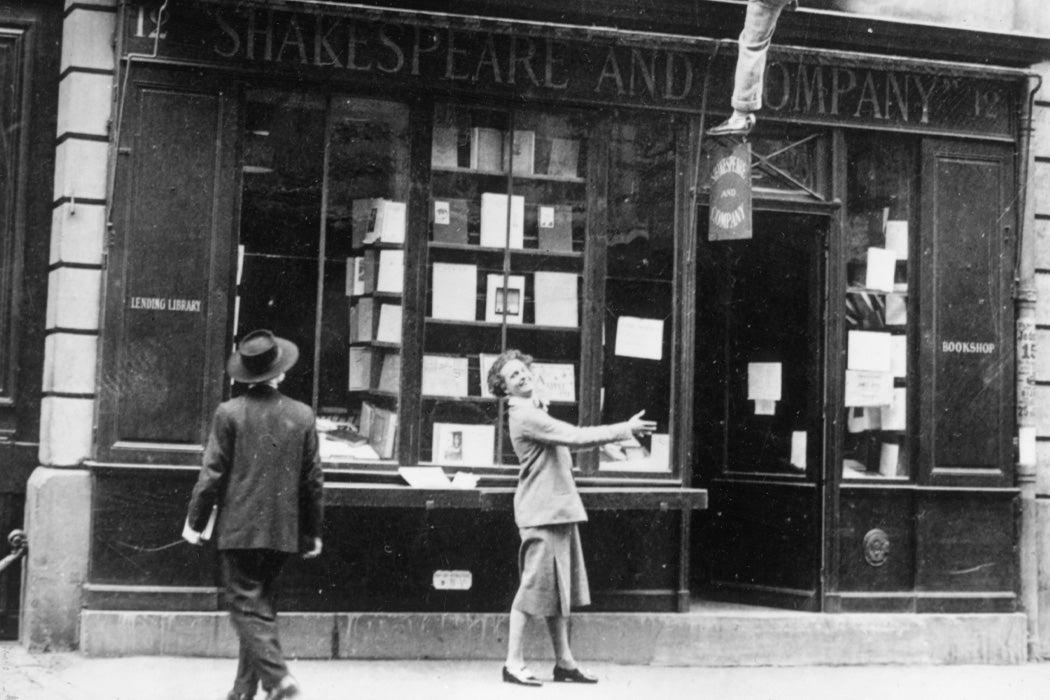
The Patron Saint of Bookstores
Dumond described pride in her work’s “dissemination of light and knowledge among the masses.” By contrast, in an 1874 book on her own work as a bookseller, J. W. Likins of central California wrote that, despite knowing it was “honorable and legitimate” employment, “it seemed to me very much like begging.”
Likins, who took the job to support her family after her husband became too ill to work, wrote that some potential customers seemed curious or pitying. But a few men were angry to see a woman out on her own, demanding that she go home to take care of her family or incorrectly assuming that she was a suffragist.
More disturbingly, in a third autobiographical account Braun considers, published in 1881, a northern California peddler named Harriet Wasson Styer described a man telling her that, if she were his sister, he would murder her rather than allow her to canvass.
Weekly Newsletter
"*" indicates required fields
But much of Styer’s account suggested a fascinating experience. She recounted traveling to lumber camps and mining towns, admiring the wild landscapes, and coping with bed bugs and dirty stagecoaches.
Braun notes that all three peddlers were well aware that they were doing something many people believed was improper for a lady, but they took on the work out of a combination of necessity and a chance for adventure.