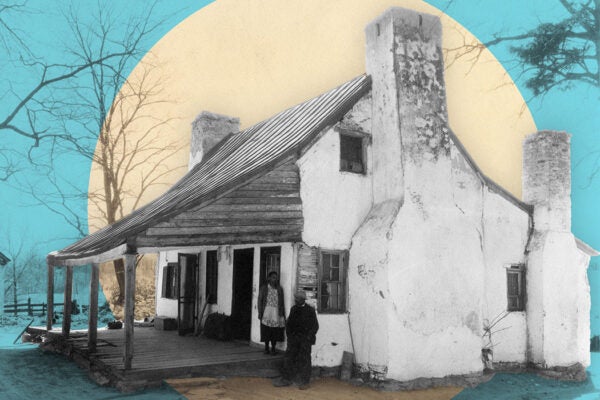
The Photographer Who Preserved Everyday Architecture
Frances Benjamin Johnston looked beyond grand estates to document the ordinary buildings that defined American life.
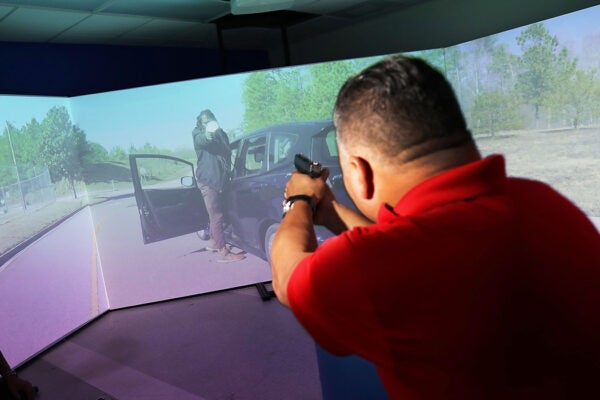
What Do Cops Train For?
Research on police training finds that realistic simulations may reinforce expectations of violence instead of preventing it.
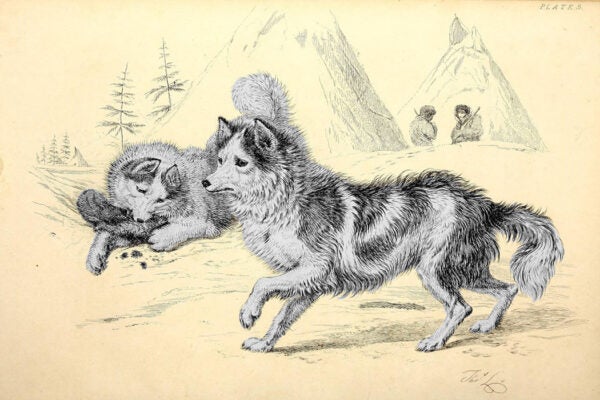
Why English Colonists Called Indigenous Dogs Wolves
A 1621 encounter reveals a history of Native animal domestication that colonial accounts obscured.

How to Keep Track of Your Sources on JSTOR
Learn where to find bibliographic information so you have the details you need when it’s time to cite your research.
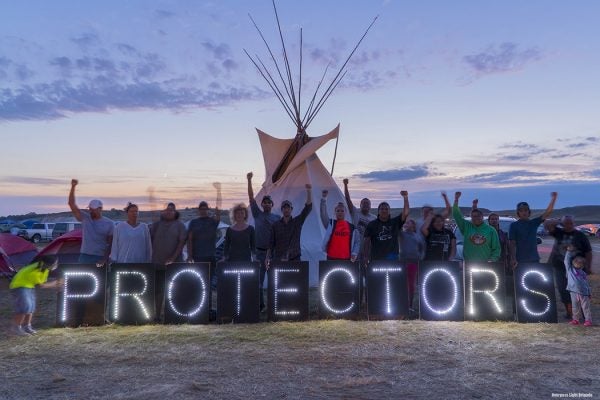
Celebrating Indigenous Peoples and Cultures
Discover scholarship that challenges myths and explores the histories, cultures, and enduring contributions of Indigenous peoples.
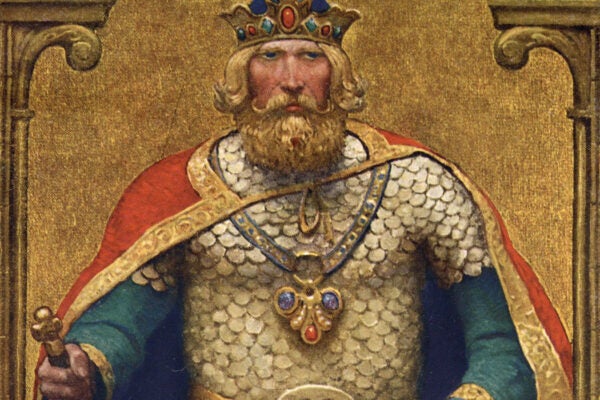
Why King Arthur Still Shapes Pop Culture
Eight centuries after the legends took shape, Arthur's world continues to inspire filmmakers, musicians, advertisers, and ideologues.
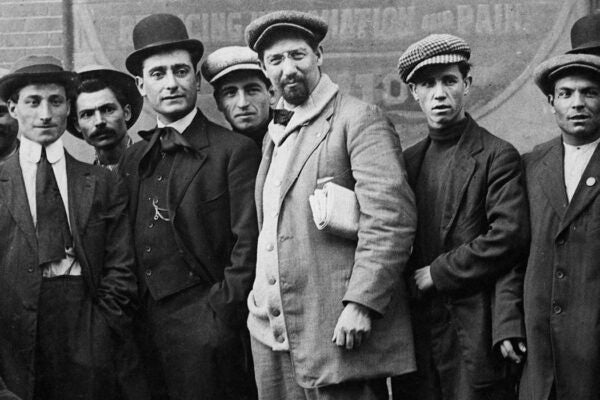
The Radical History of Italian Americans
In the early twentieth century, immigrant anarchists organized across U.S. cities and stood at the center of major labor struggles.
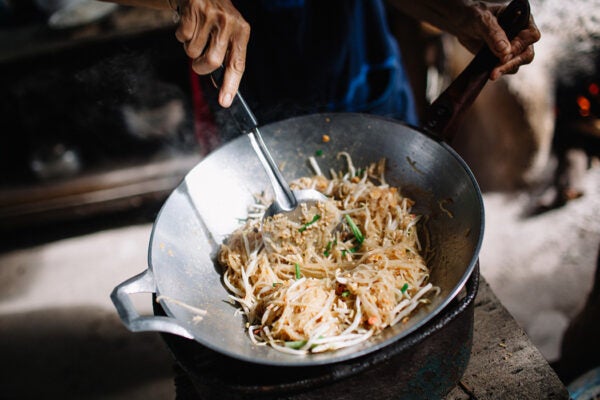
Inventing Pad Thai
A government campaign transformed a Chinese-inspired noodle dish into a symbol of Thailand's national identity.
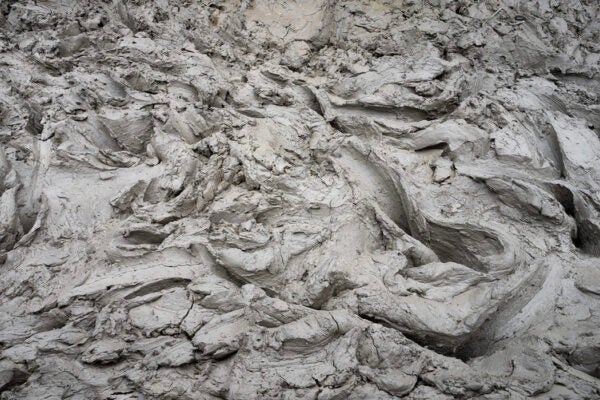
Why Mud Matters
The microbes in muddy sediments help regulate Earth’s climate and keep ecosystems functioning.
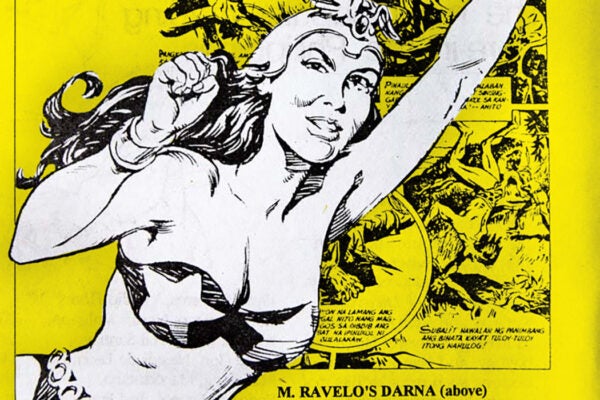
The Folk Stories Behind the Philippines’ Superheroes
Filipino komiks have long drawn on mythology to create larger-than-life champions for ordinary people.