As you’re watching a movie, do you ever wonder whether a particular moment was actually shot that way, created with computer generated effects, or produced by generative AI? Or do you just sit back and enjoy whatever storytelling techniques the moviemakers have chosen? As film scholar Lisa Bode writes, filmmakers and audiences wrestled with questions like that at the industry’s very start.


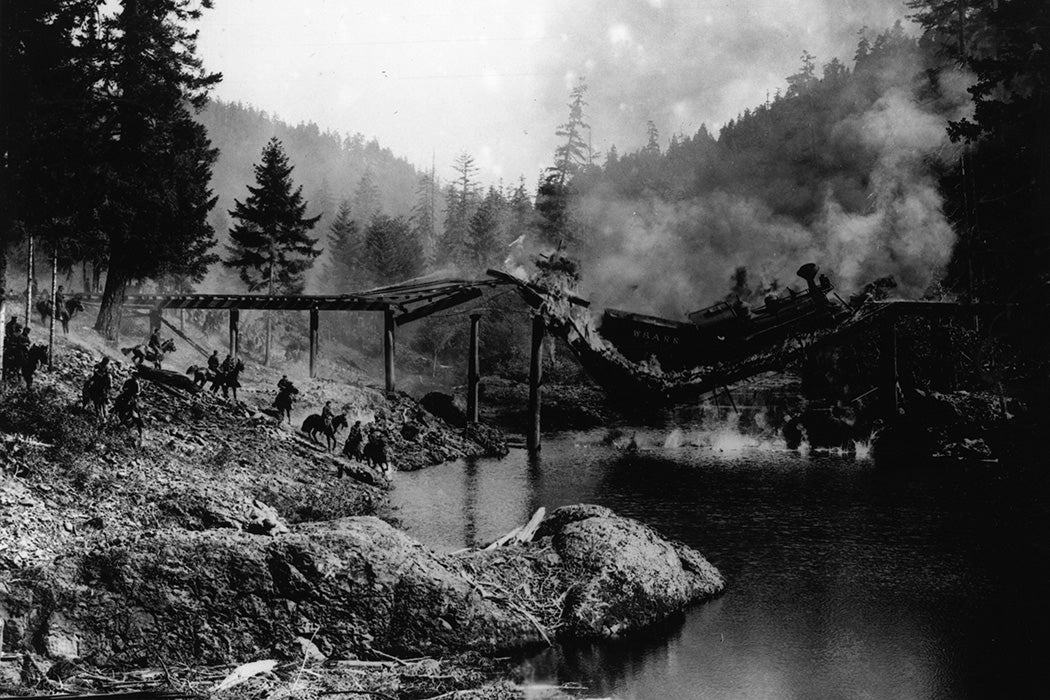
Bode writes that, in the earliest era of film, audiences were wowed by movies as a kind of magic trick. Part of the appeal was trying to guess how filmmaking techniques had achieved an illusion. (Answers included multiple exposures, running film backward, or simply starting and stopping the camera, as well as the use of scale models and mannequins). Popular magazines explained how dummies could be used to film scenes of a person falling from a high place or being struck by a train.
But, by the early 1910s, the film trade press was reporting that illusions for their own sake were losing their appeal, except among children or particularly unworldly adults. Filming tricks became absorbed into the project of building interesting narratives. Now, rather than making audiences curious about how they were achieved, the point was to blur the line between actors’ real feats of bravery and simulated stunts.
However, Bode writes, critics and audiences complained when the dummies looked like dummies or the lighting gave away a cut to footage shot in the studio. As one letter to a fan magazine asked, “why not better illusions? The kind we can’t figure out?”
Weekly Newsletter
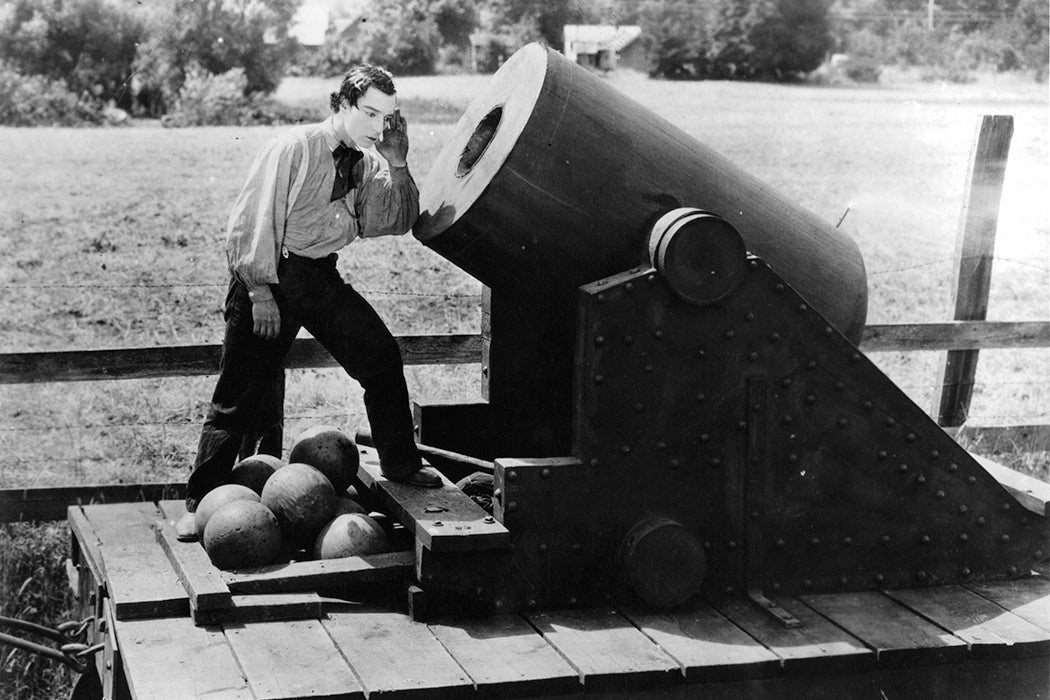
What Drove Buster Keaton to Try a Civil War Comedy?
In some cases, viewers began “figuring out” tricks that weren’t really there, dismissing actual stunts done by real actors as trickery. To counter this cynicism, action stars often turned up for interviews showing the cuts and sprained ankles that were (or that they claimed were) the result of filming exciting scenes.
Alternately, Bode writes, the industry sometimes attempted to educate audiences about the value of sophisticated filming and production techniques for creating a great movie. One 1918 article described “legitimate fakes” as shots that “look genuine and require as much care and attention to detail as would shooting a real structure.” And a 1923 fan magazine article even scolded the viewer who insisted from their “comfortable theatre chair” that actors should risk injury or death.
Weekly Newsletter
In general, by the 1920s, film studios just wanted the film press to pipe down about the use of tricks. And, indeed, behind-the-scenes stories about the use of glass paintings, miniatures, and other special techniques declined over time as fan magazines increasingly focused on stars.
It was only in the 1970s, with the rise of big-budget science fiction and fantasy movies that depended on impossible things happening on the screen, that the public regained its interest in the techniques used to make movie magic happen.