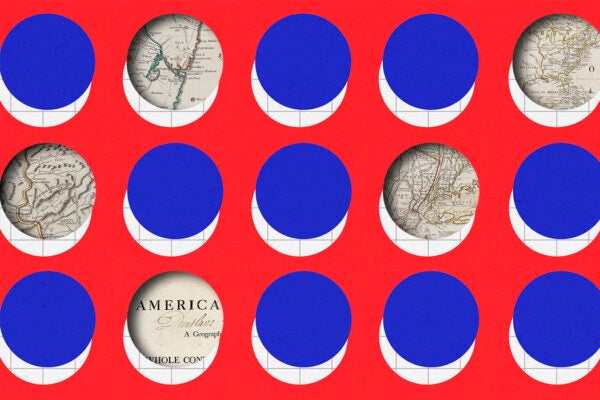
The Atlas Behind the Revolution
While George Washington struggled to obtain reliable maps, British readers could consult this remarkable 1776 atlas.
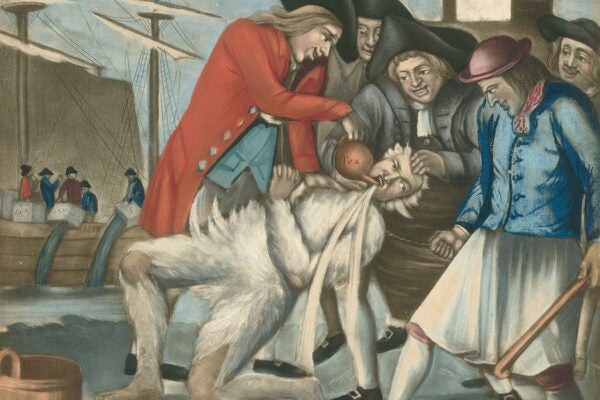
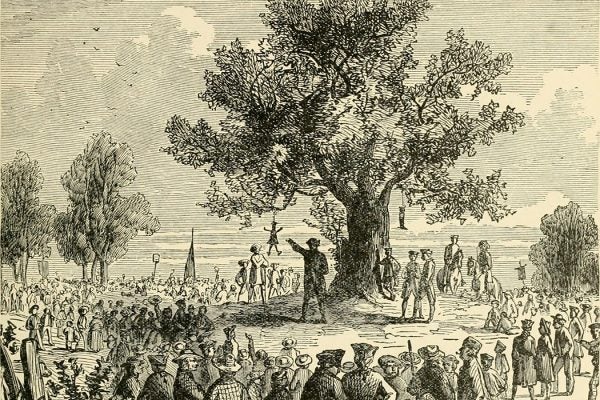
Tarring and Feathering, American Style
What began as a European folk practice became a distinctly American ritual of public punishment.
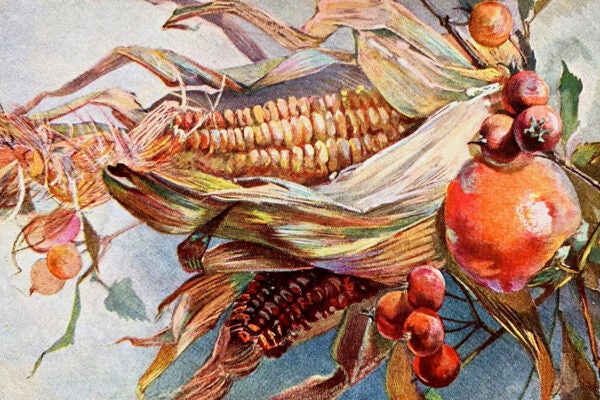
“Simple, Wholesome Food” for a New American Nation
In the aftermath of the Revolutionary War, Americans faced understandable anxiety about what their society would look like—and what they should eat.
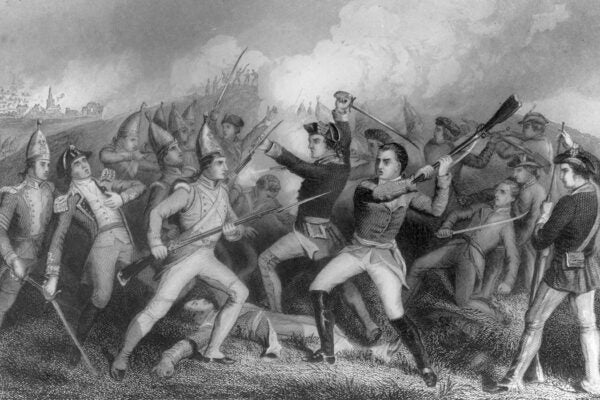
Revolutionary Atrocity
For the Americans, narratives about the savagery of the British became an important part of nation-building and a moral justification for armed rebellion.
The Letter That Helped Start a Revolution
The Town of Boston’s invention of the standing committee 250 years ago provided a means for building consensus during America’s nascent independence movement.
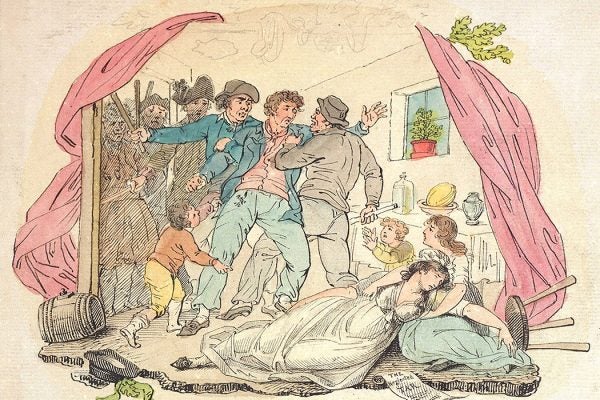
The Role of Naval Impressment in the American Revolution
Maritime workers who were basically kidnapped into the British Royal Navy were a key force in the War of Independence.
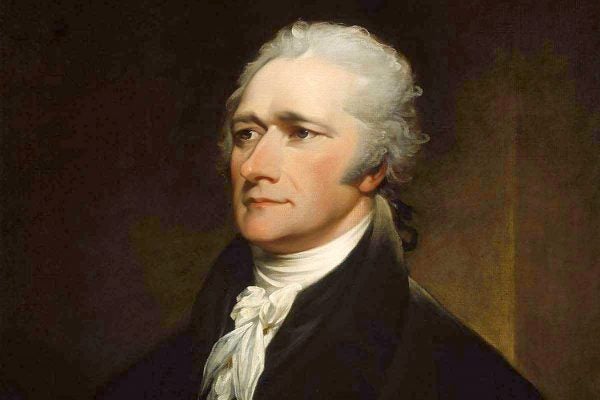
The Erotic Appeal of Alexander Hamilton
The handsome Founding Father has always had a robust fandom—even before the ten-dollar bill, or a certain musical.
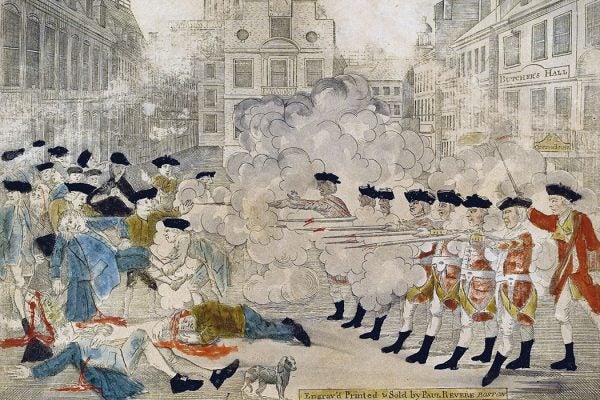
Crispus Attucks Needs No Introduction. Or Does He?
The African American Patriot, who died in the Boston Massacre, was erased from visual history. Black abolitionists revived his memory.
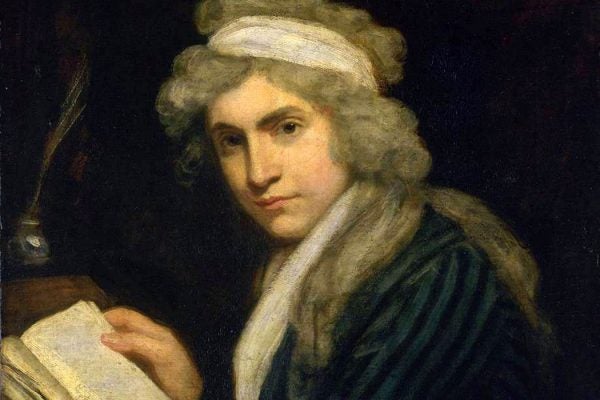
Women’s Rights in the Early Republic
The U.S.A.'s founders focused on the rights of white men to vote, own property, and govern. The idea that women should have similar rights came later.
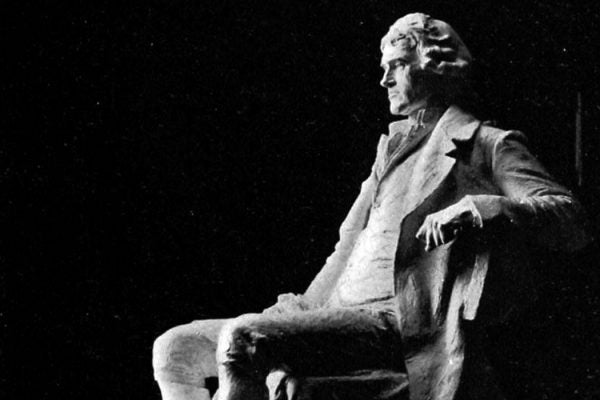
What Are We to Make of Thomas Jefferson?
There is perhaps no more enigmatic figure in American history than Thomas Jefferson, born April 13, 1743. How should his legacy be understood today?