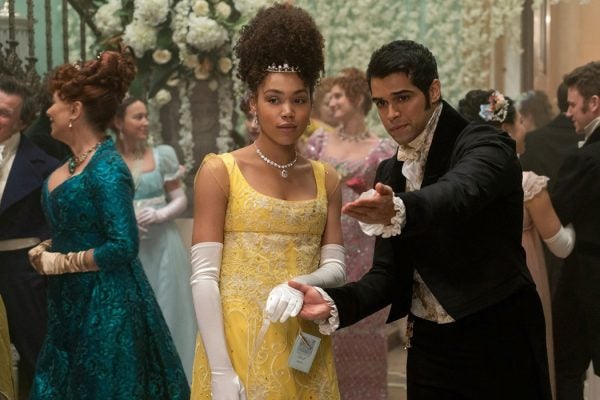
The “Tragic Mulatta” of Bridgerton
While colorblind casting increases opportunities for diverse casts, colorblindness after casting can result in the perpetuation of stereotypes.
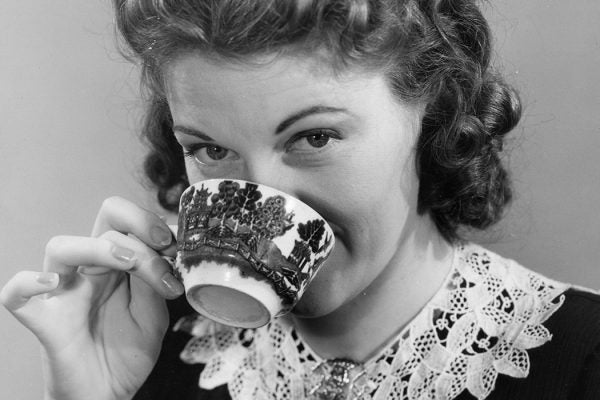
The Anxious “China Hunters” of the Nineteenth Century
After the Civil War, some elite women became obsessed with collecting antique china, the better to connect themselves to illustrious histories.
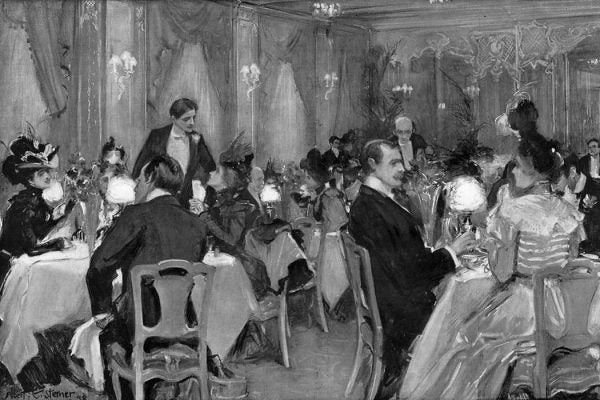
The First American Restaurants’ Culinary Concoctions
A study of historical fine-dining menus yields surprises. Like six preparations of frog, and delicious lamb testicles.
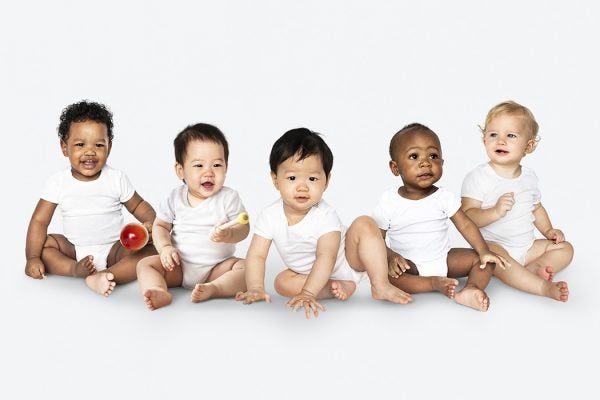
The Science of Baby-Name Trends
What makes a name suddenly pop—and then die? Social scientists and historians have been puzzling over this for decades.
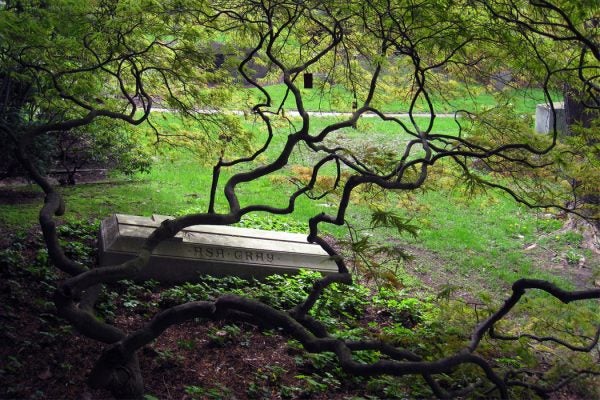
When Cemeteries Became Natural Sanctuaries
In the 19th century, bucolic, park-like cemeteries started cropping up on the outskirts of American cities.
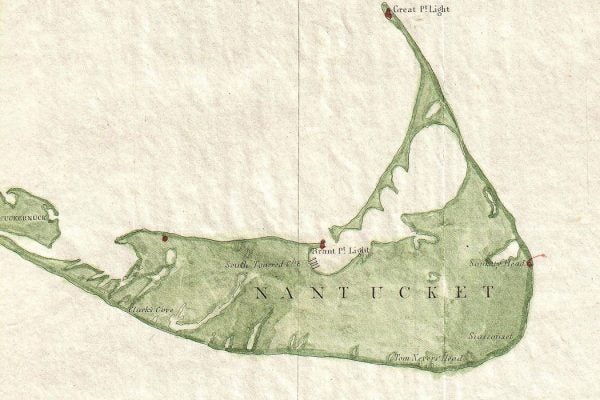
The Little-Known Nantucket-British Deal of 1814
Remembering a strange chapter of history when Nantucket allied itself with Great Britain.
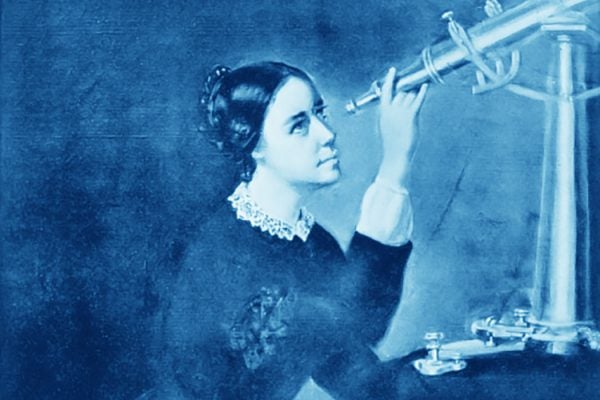
America’s First Woman Astronomer
Maria Mitchell became famous when she discovered a comet in 1847. She didn't stop there, fighting for education and equality for women in the sciences.
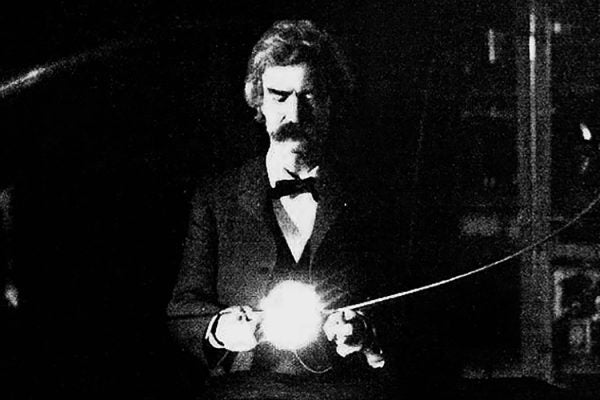
Was Mark Twain a Con Man?
A man named Samuel Clemens received funds from the radical abolitionist Boston Vigilance Committee in 1854. It may have been Mark Twain, pulling a prank.
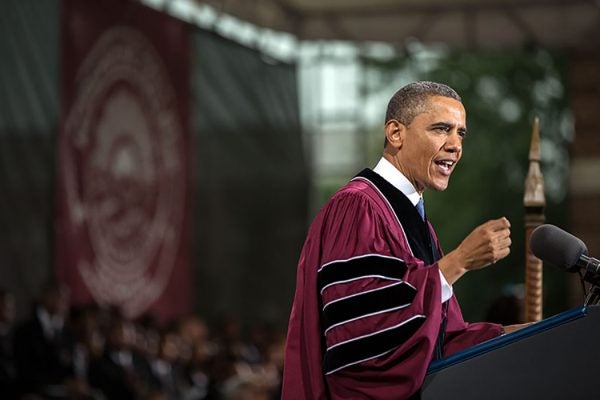
Who Gets to Make Commencement Speeches (and Why)?
Why are battles over just who gets the honor of toasting new graduates—and what they say—always so heated?
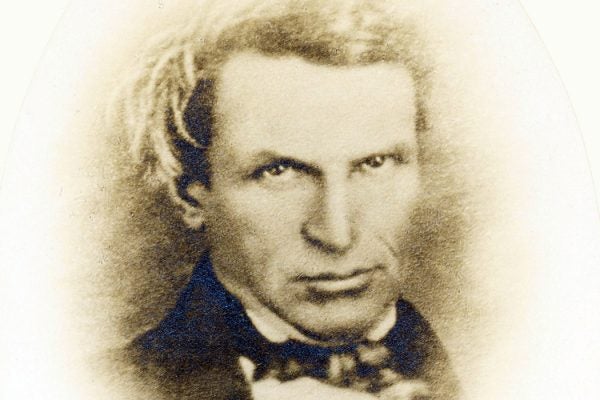
Charles Knowlton, the Father of American Birth Control
Decades after Charles Knowlton died, his book would be credited with the reversal of population growth in England and the popularization of contraception in the United States.