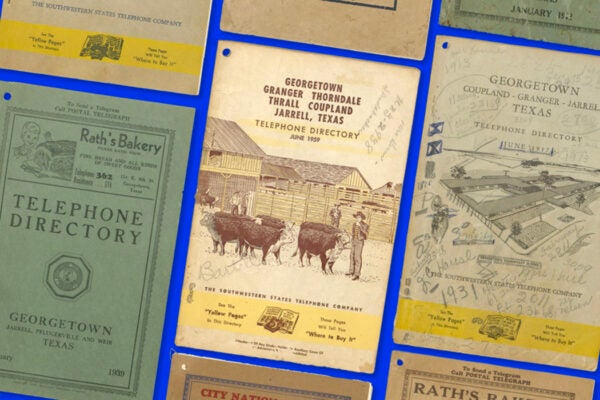
How the Phone Book Taught America to Ask for Answers
A collection of Texas directories from 1913 to 1959 shows how phone books—and the people who used them—helped invent “information” as we know it.
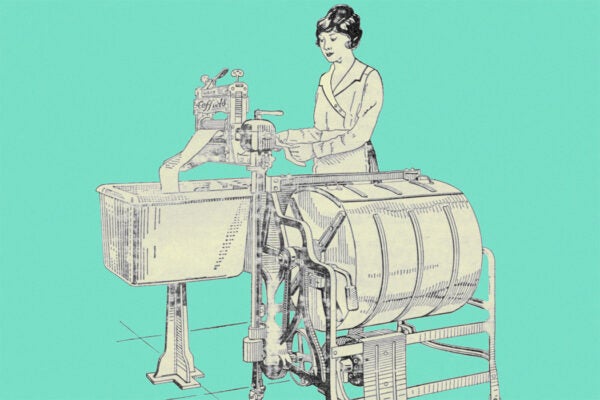
Why Washing Machines Took Decades to Catch On
Early electric laundry appliances promised to make housework easier. But convincing American households to buy them was another matter.
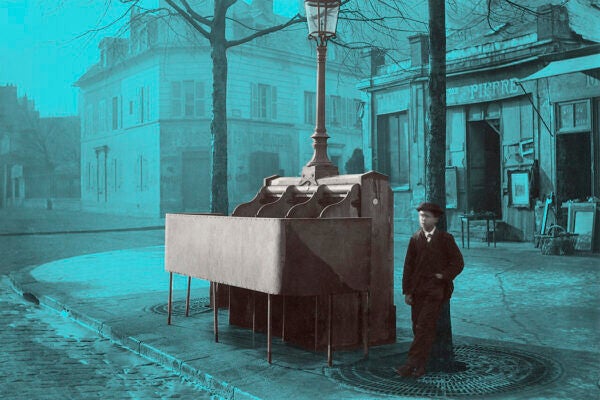
Where Did All the Public Bathrooms Go?
Nineteenth-century Paris tackled public urination with ornate pissoirs. American reformers later turned toilets into a temperance cause.
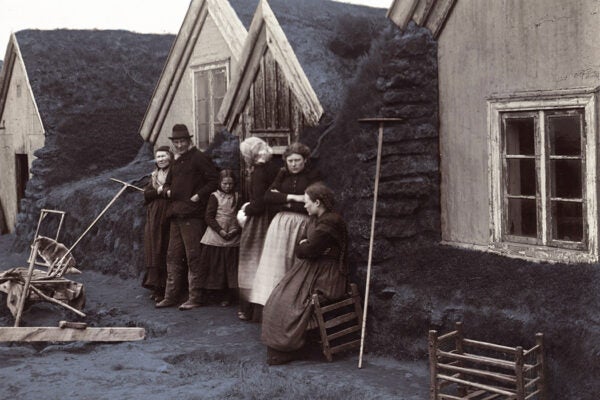
Life Inside Icelandic Turf Houses
Grass roofs may look enchanting today, but living beneath them was another story.
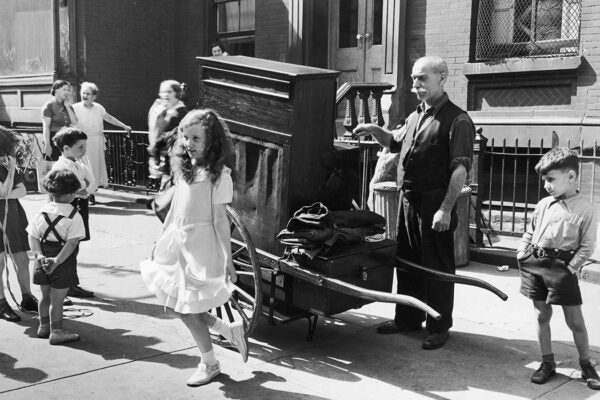
A War on Street Music in NYC
In the New Deal era, New York City banned street musicians, classifying them as beggars. Some New Yorkers fought back.

The Bowling Alley: It’s a Woman’s World
Even when it was considered socially unacceptable, American women were knocking down pins on the local lanes.
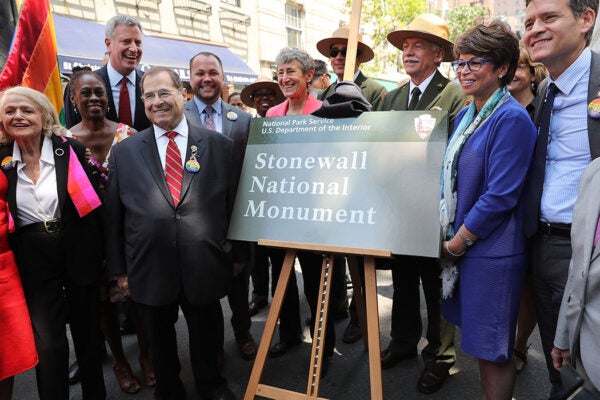
Stonewall National Monument Declaration: Annotated
In June 2016, President Obama proclaimed the first LGBTQ+ national monument in the United States at the site of the 1969 Stonewall Uprising in New York City.

The Undying Unicorn
What role could a mythical animal play in our lives—centuries after its existence came into question?

Hocktide: A Medieval Fest of Flirtation and Finances
The springtime holiday of Hocktide not only allowed villagers to cross social boundaries in the name of fun, it helped them raise funds for nonsecular needs.

The Age of Wonder Meets the Age of Information
What can past eras of information overload teach students about critically consuming content in the present?