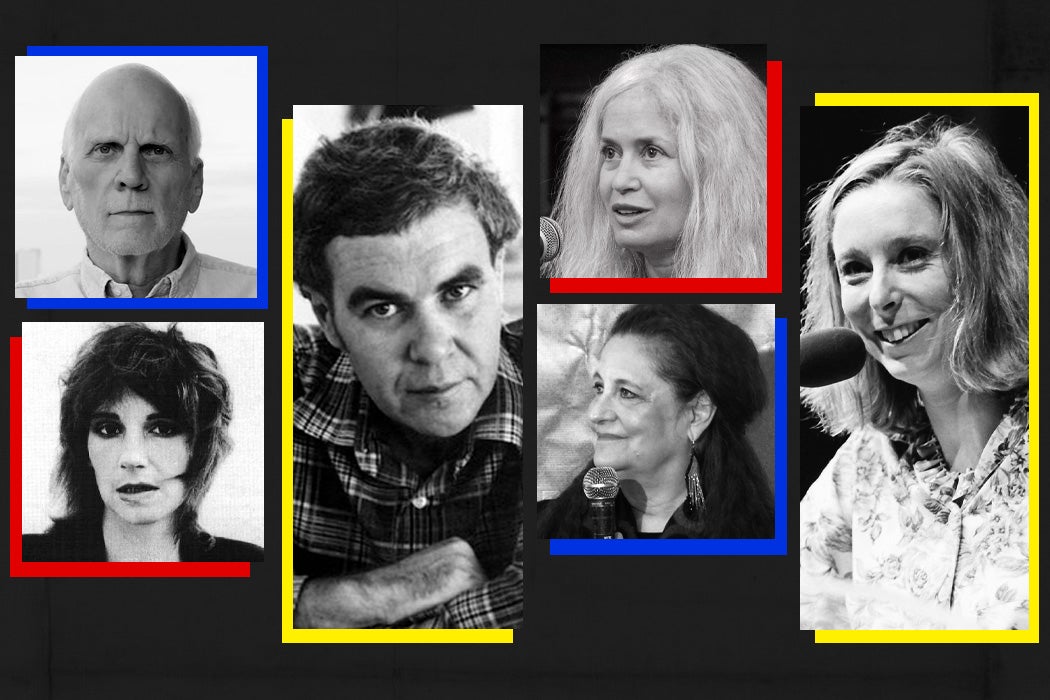
Just like “love” in Raymond Carver’s iconic short story “What We Talk About When We Talk About Love,” “minimalism” is a contested term. Carver, the most famous minimalist, was averse to the label. While the origins of minimalism can be traced to modernist influences like Hemingway and Beckett, the style rose to prominence in the late 1970s and 1980s, with influential editor and teacher Gordon Lish helping shape and champion the work of several writers associated with it. But what do we mean when we talk about minimalism? Minimalist fiction is characterized by direct, highly compressed, densely allusive language. Much is left unstated, requiring the reader to decipher character motivations. Minimalism is also often associated with working-class characters, domestic subject matter, and marital dissolution, earning it the nickname “Kmart realism.”


The following stories are by writers associated with minimalism. The stories are as dense as diamonds, containing truth in very few words. As always, all are free to download.
“Nightschool” by Raymond Carver
A classic Raymond Carver setup: a divorcé narrator, a bar setting, and dialogue sparking with competing desires. We don’t know why the narrator’s wife left him, but we sense his desperation and alienation as he entertains a wild suggestion from two women who strike up a conversation with him at the Donner Club. An atmosphere of melancholy hangs over the encounter.
“Pretty Story” by Amy Hempel
Amy Hempel wrote her first story in a workshop led by Gordon Lish and has since become known for her miniaturist masterpieces. In this later story, a woman voices her anxieties about having a child: “And when I come out of the theatre, it occurs to me that it has been years since I have been to Paris. Years. So I go to Paris, and come back three months later and find a skeleton in the crib.”
“Trick Scenery” by Frederick Barthelme
Told from an off-kilter second-person perspective, Frederick Barthelme’s story follows a man with “a face like an old sack, like an old vegetable” as he takes a road trip, yearning for a woman to sit next to him. The story’s language is incantatory, with repetitions that echo the passing scenery. We know nothing about the man except his yearning.
“Solo Dance” by Jayne Anne Phillips
In this hyper-compressed story, Phillips depicts a woman visiting her father following his cancer operation. The family’s alienation and the father’s divorce from the narrator’s mother are revealed through asides. In a darkly comic turn, the father hopes to regain enough weight post-surgery to pummel his ex-wife’s divorce lawyer.
Weekly Newsletter
"*" indicates required fields
“Happy Boy, Allen” by Mary Robison
Mary Robison’s brand of minimalism features whip-smart dialogue and crystalline descriptions, including pillows “the color of Easter candy.” Young Allen visits his aunt to complain about his father remarrying after his mother’s death. The two get sloshed, but not before pontificating about painting, the nature of faces, and family resentments.
“Dancing” by Ann Beattie
In Beattie’s elegant story of marital dissolution, the narrator looks at a summer house with her ex-husband and his brother-in-law. Why is she there, helping her ex-husband buy a house she’ll never visit? She doesn’t seem to know, and we wonder alongside her. Unlike some of the other writers in the roundup, Beattie applies her minimalist vision to upper-middle-class life, “dissecting yuppies with precision,” according to a New York Times review.