The late seventeenth century saw one of the most significant droughts of the last 1,000 years in what is today the Midwestern Corn Belt. In response, the Illinois people moved out of the upper Illinois River Valley in the 1690s. They migrated south to reestablish in the American Bottom region where the Mississippi is joined by the Missouri and Ohio rivers.


The French, who provide the only written record of the place and period, credited the migration to the influence of France. They claimed the people of the pays des Illinois wanted to be closer to the orbit of the burgeoning colony of New Orleans. But the Illinois seem to have had a different logic behind their move: drought was severely reducing their access to the forests they needed for food, medicine, and technology. They moved to where vital oak-ash-hickory forests were still plentiful and near their homes.
So argues historian Robert Michael Morrissey, using evidence from “ethnohistory, deep history, climate history and ecology.”
“The reality is that this drought event—like so much of what we can expect from climate change in many temperate regions of the globe—did not necessarily create catastrophic or even extremely pronounced impacts…The more notable effects may well have been the subtle interruptions of dynamic processes in the tall grass prairie-forest edge.
Between the woodlands of the east and the arid shortgrass and deserts of the west, Midwestern tallgrass prairies were a rich and productive place to live. Early French accounts marveled at the health and prosperity of the Indigenous people in the mid-seventeenth century.
More to Explore
The Fires This Time
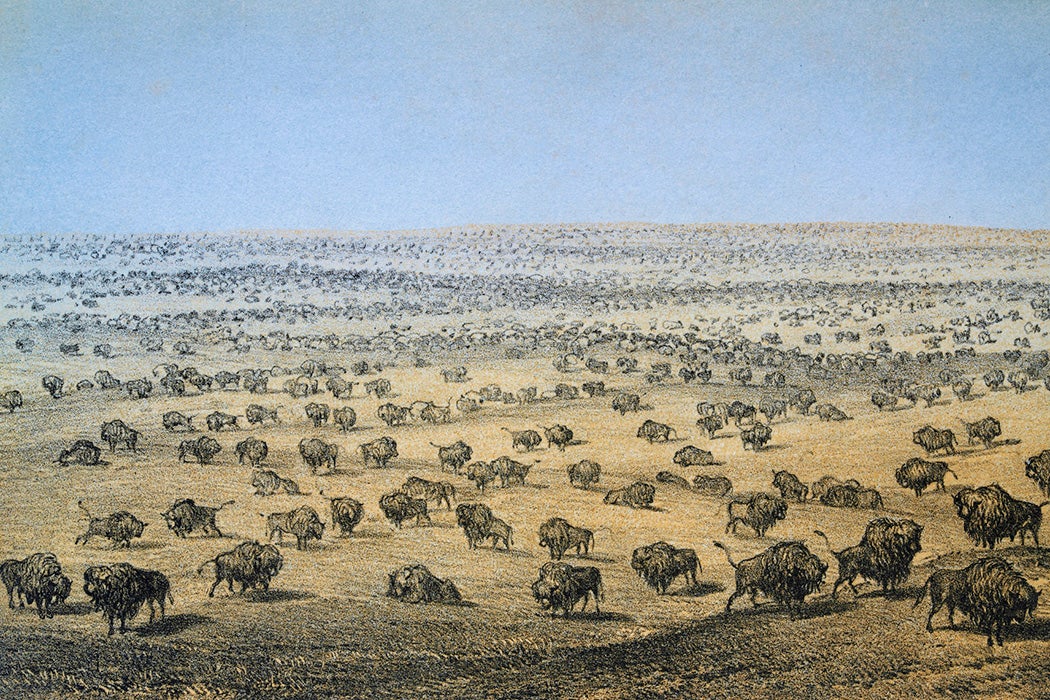
This “prairie-forest tension zone” was a rich, complicated mosaic. It was made up of patches of lowland valleys, where corn and other crops could be grown; flood plains, where wild rice could be gathered; marshes and wetlands, where birds could be hunted and roots (for food) and reeds (for construction) collected; grasslands, where bison could be hunted (on foot, for the horse not yet arrived from the south); and hardwood and conifer woodlands, which provided firewood, wood for tools, small game, and food and medicinal plants.
It was precisely the tension, the shifting, juxtaposed edginess of these ecozones, that made for such a wealth of resources. An astonishing ninety-three plant species have been identified as integral to traditional life-ways in the region (the world population today depends on a handful of grains). It was this very richness that brought the Illinois in the first place; they’ve been traced back to the northern Ohio region in the 1500s and started settling the upper Illinois River Valley only in the 1600s.
Weekly Newsletter
It wasn’t only the people who were newcomers. The landscape itself was relatively new. In the mid-twentieth century, tallgrass prairie was seen as an ancient “timeless” landscape, the ultimate result of succession. But it was all post-glacial, extraordinarily recent. The plants themselves were not endemic to the region. As a young and dynamic landscape, “it was especially unstable, and particularly at its northern and eastern edges.” Even bison were not native; the Illinois Valley saw a significant increase in the numbers of these big bovines after 1000 CE. “The bison are a perfect reflection of the instability and flux in the prairie landscape, where species were constantly moving and changing in response to sometimes uncertain factors.
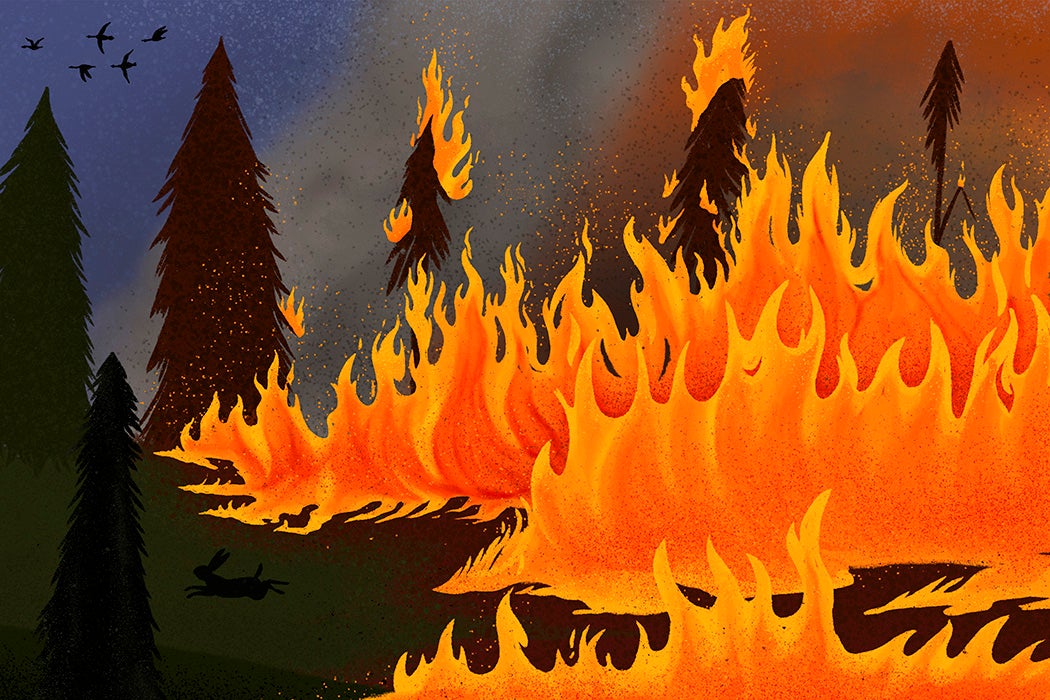
Fire, both natural and anthropogenic, helped to maintain the mosaic, pushing back against the general tendency towards forest. Unlike most of the world’s grasslands, the Midwest typically had enough humidity and precipitation for trees. “The question for most ecologists is not so much what caused prairie in the Midwest, but rather what prevented forest succession?” With fire, with managing bison, the Illinois people “most likely played a special role“ in “selecting the prairie against the woodland.”
Not that they shunned woodland. Forests were a key to their culture. Woodlands had the lowest resource density of other ecotones, but provided some of “the most important medicine, food and technology plants.” The drought that affected the region from the middle 1600s on, culminating in the severe droughts of the 1690s, pushed their woodlands further and further away. Anthropogenic fire may have helped halt or slow forest succession. One French commentator said the reason for the migration south was that “their firewood was so remote.
In Morrissey’s own words, there’s no “smoking-gun evidence” that dwindling woodlands is what made the Illinois head south, but he presents a fascinating “forensic journey” into the past, helping to reveal “the important and long misunderstood natural and human history of the North American mid-continent.