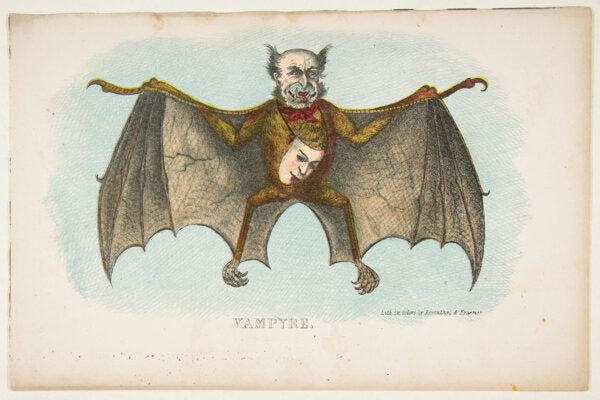
Frankenstein, The Vampyre, and the Spirit of the Humanities
How one ghost story competition continues to haunt the humanities—just in time for Halloween.
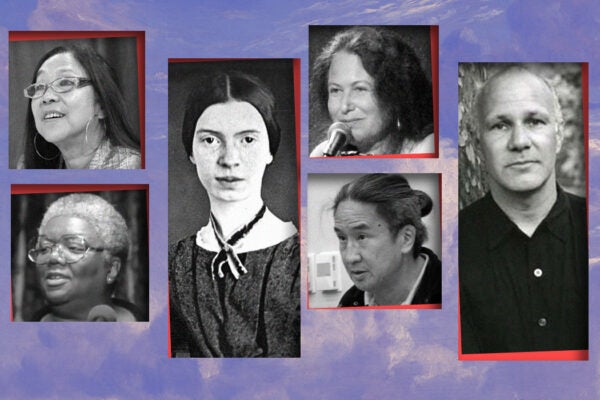
Ten Poems about Sleep and Dreaming
Visions of the unconscious by Emily Dickinson, Louise Glück, Lucille Clifton, Carl Phillips, and more.
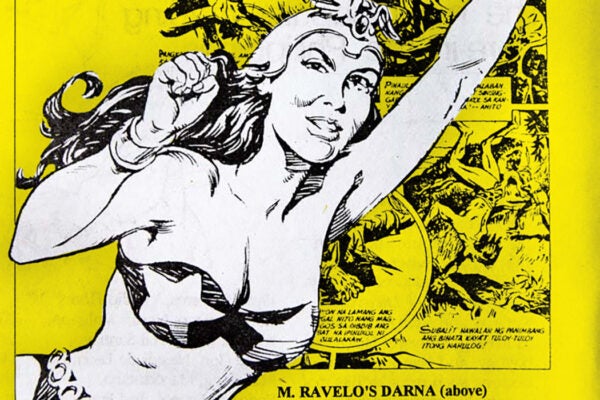
The Folk Stories Behind the Philippines’ Superheroes
Filipino komiks have long drawn on mythology to create larger-than-life champions for ordinary people.
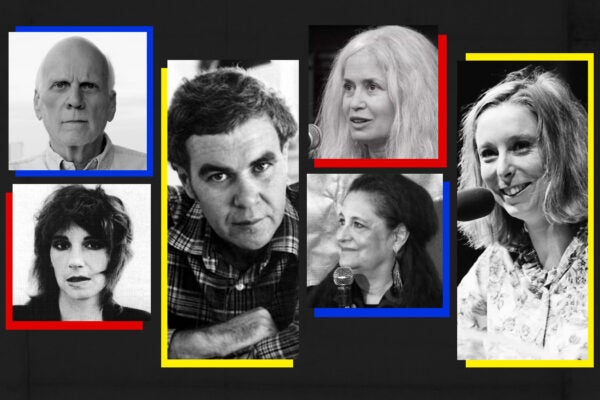
Minimalist Fiction in Six Short Stories
The art of saying more with less, by Raymond Carver, Amy Hempel, Frederick Barthelme, Jayne Anne Phillips, Mary Robison, and Ann Beattie.
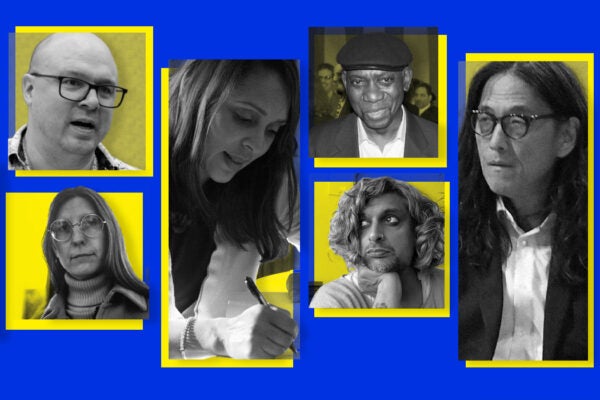
Dear Reader: 10 Epistolary Poems by Contemporary Writers
Letters to lovers, siblings, artists, gods, and enemies by Diane Wakoski, Yusef Komunyakaa, Kazim Ali, June Jordan, and more.
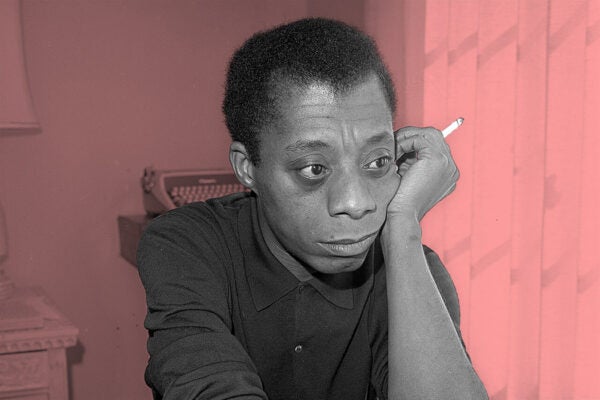
James Baldwin’s Complicated Relationship with Psychoanalysis
Baldwin criticized Freudian thinking yet drew on ideas like repression in his fiction and essays.
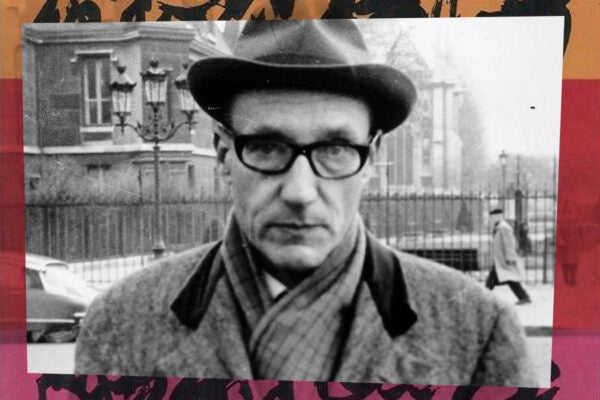
Reading the Maya with William S. Burroughs
Burroughs drew on the leading Maya scholarship of his day, much of which has since been overturned.
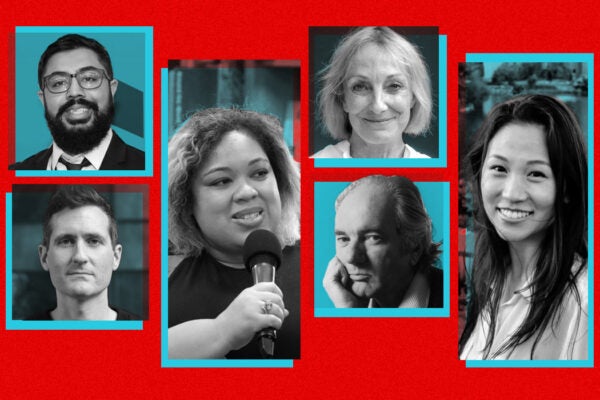
Six Stories with First-Person Narrators
Distinctive voices and unforgettable perspectives, by Danielle Evans, Jamil Jan Kochai, Catherine Niu, Thomas Bernhard, Christine Schutt, and Michael Deagler.
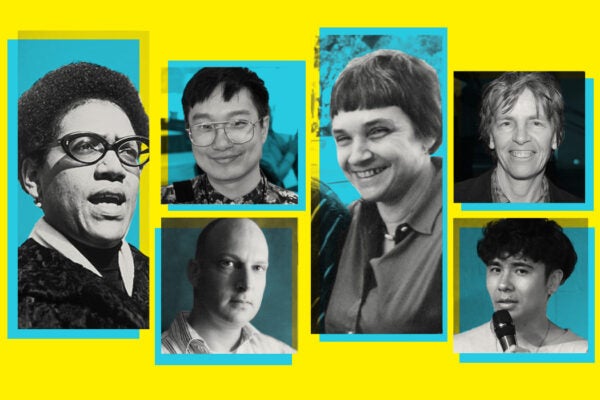
10 Modern and Contemporary Poems by Queer Writers
Love poems, political declarations, lyrical confessions, and formal experiments by Adrienne Rich, Audre Lorde, Ocean Vuong, Eileen Myles, and more.
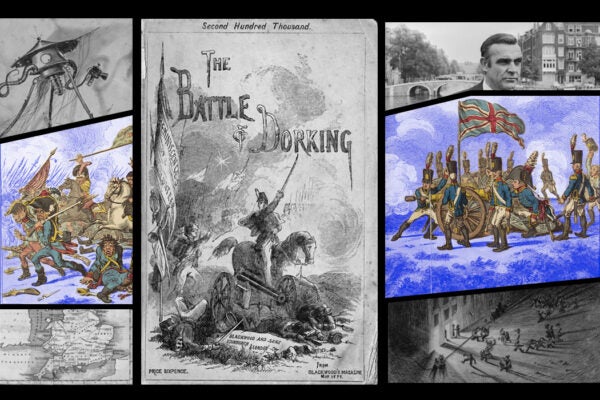
The Evolution of Britain’s Invasion Fiction
How fears of foreign plots and national decline moved from nineteenth-century novels into today's thrillers.