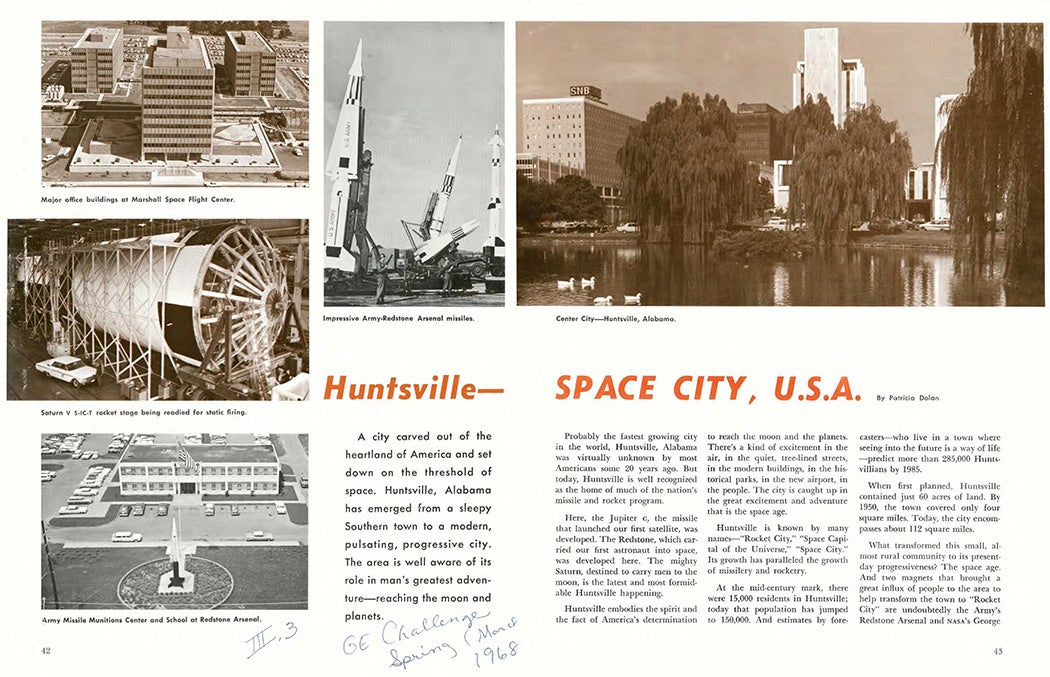
In 1964, in Huntsville, Alabama, anything seemed possible. Just 15 years earlier, the city had been, in the words of the local paper, a “ghost town,” a community of just 16,000 people spread over about 4.5 square miles. Now, it was “Space City,” a thriving metropolis that had annexed almost 46 additional square miles of the Appalachian hills to accommodate some 123,000 residents. The population boom could be credited almost entirely to Space Race–related installations, such as NASA’s George Marshall Space Center, which had made the northern Alabama city the starting block in America’s sprint to the moon.

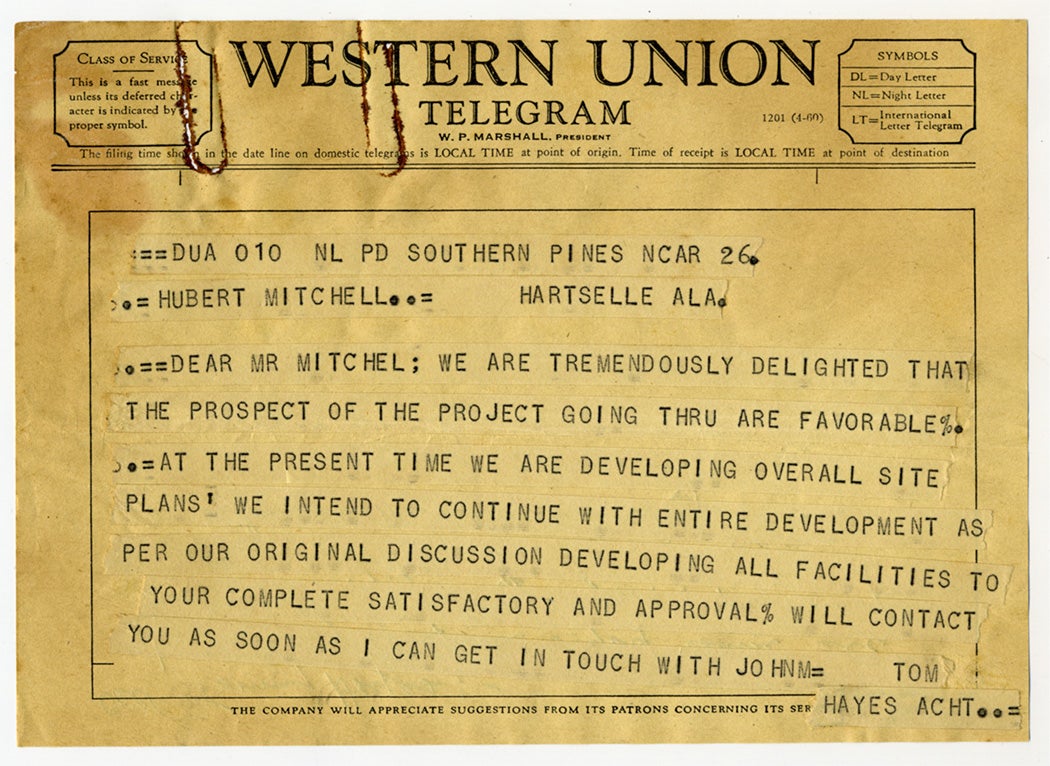
And the scientists weren’t the only ones reaching for the stars. Huntsville’s boosters saw opportunity, too. The local Lions Club adopted the Space City moniker, as did a Huntsville auto dealership, the city’s flying club and its annual bridge competition. Huntsville’s Penney’s department store sold “Space City satellites,” stylized red, white, or blue plastic frisbees; politicians appropriated “Space City” as a rallying cry for progress, growth, and investment; and entrepreneur Hubert Mitchell started planning for a theme park that, the company boasted, “studies indicate hundreds of thousands of people a year will visit.” (Huntsville definitely did not appreciate it when Houston, “with typical Texas modesty,” the Huntsville Times wrote, began calling itself “Space City, U.S.A.” in 1962.)
Space City USA—the name Mitchell gave his ambitious undertaking—was just the latest in decades of get-rich ideas the serial entrepreneur had pursued in the region. He was also a restaurateur and a drive-in movie theater operator, a furniture manufacturer and an automobile maker.
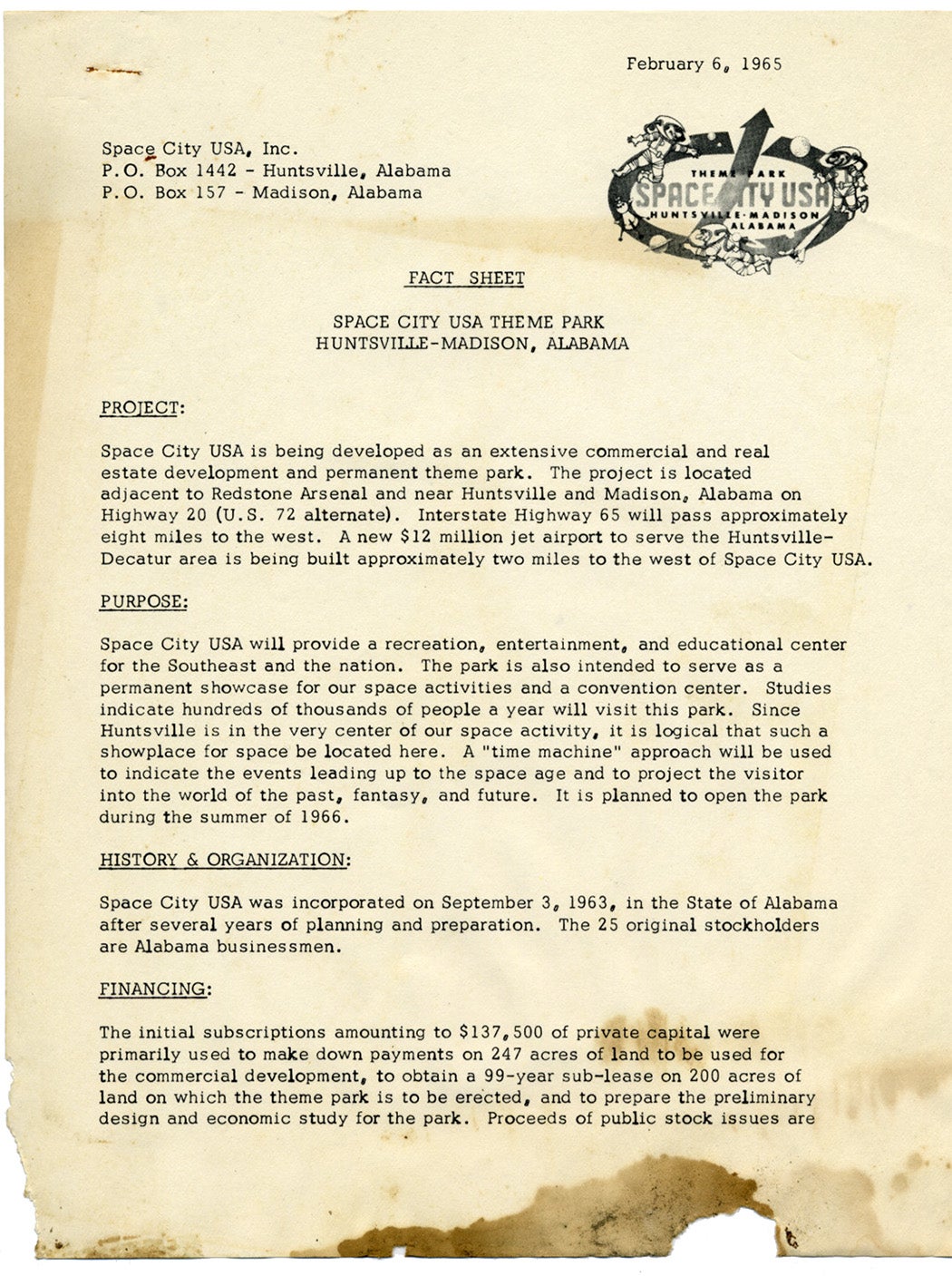
Mitchell announced Space City USA in January 1964 with the fanfare befitting the $5 million undertaking (the equivalent of a $53 million project today). Two hundred acres along Highway 20 near Lady Ann Lake would be transformed into a recreation and entertainment center that would transport visitors “into the world of the past, fantasy and future,” according to documents about the project preserved by the University of Alabama in Huntsville and shared via JSTOR. “If you would like to hurtle through space in a flying saucer, stop off at Mars and have lunch on the moon, you may not have to wait much longer,” one newspaper reported after the plan was unveiled, according to archivist Drew Adan, whose research on Space City USA in Nasa and the American South draws on the collection.
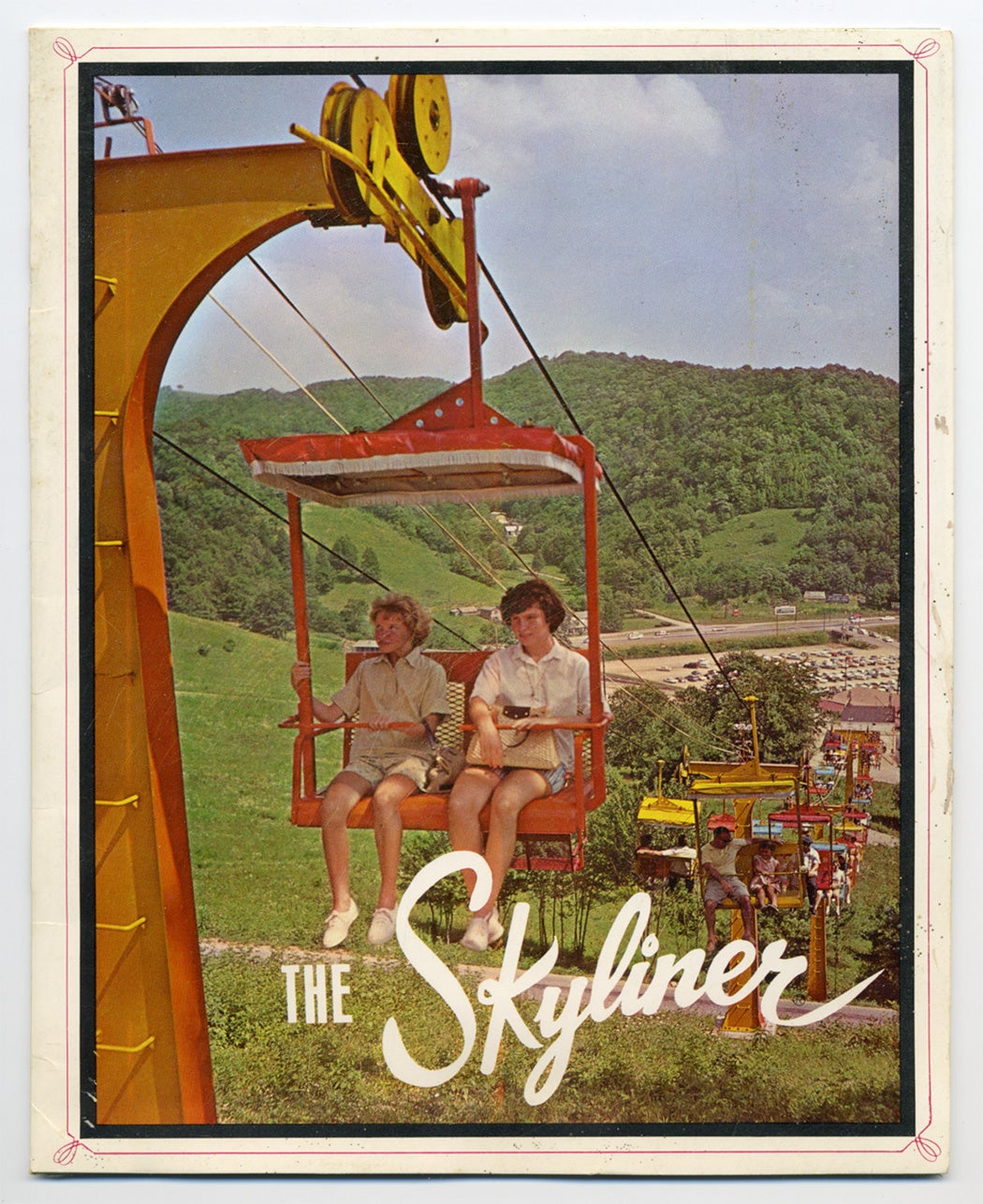
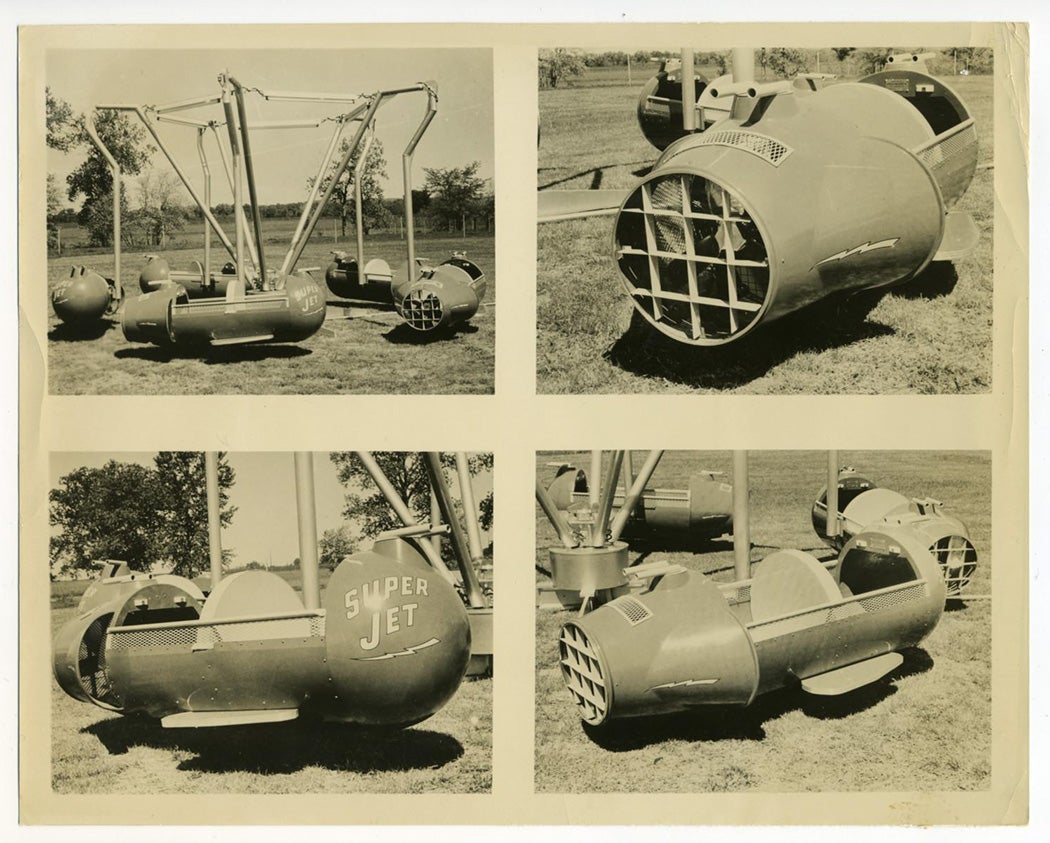
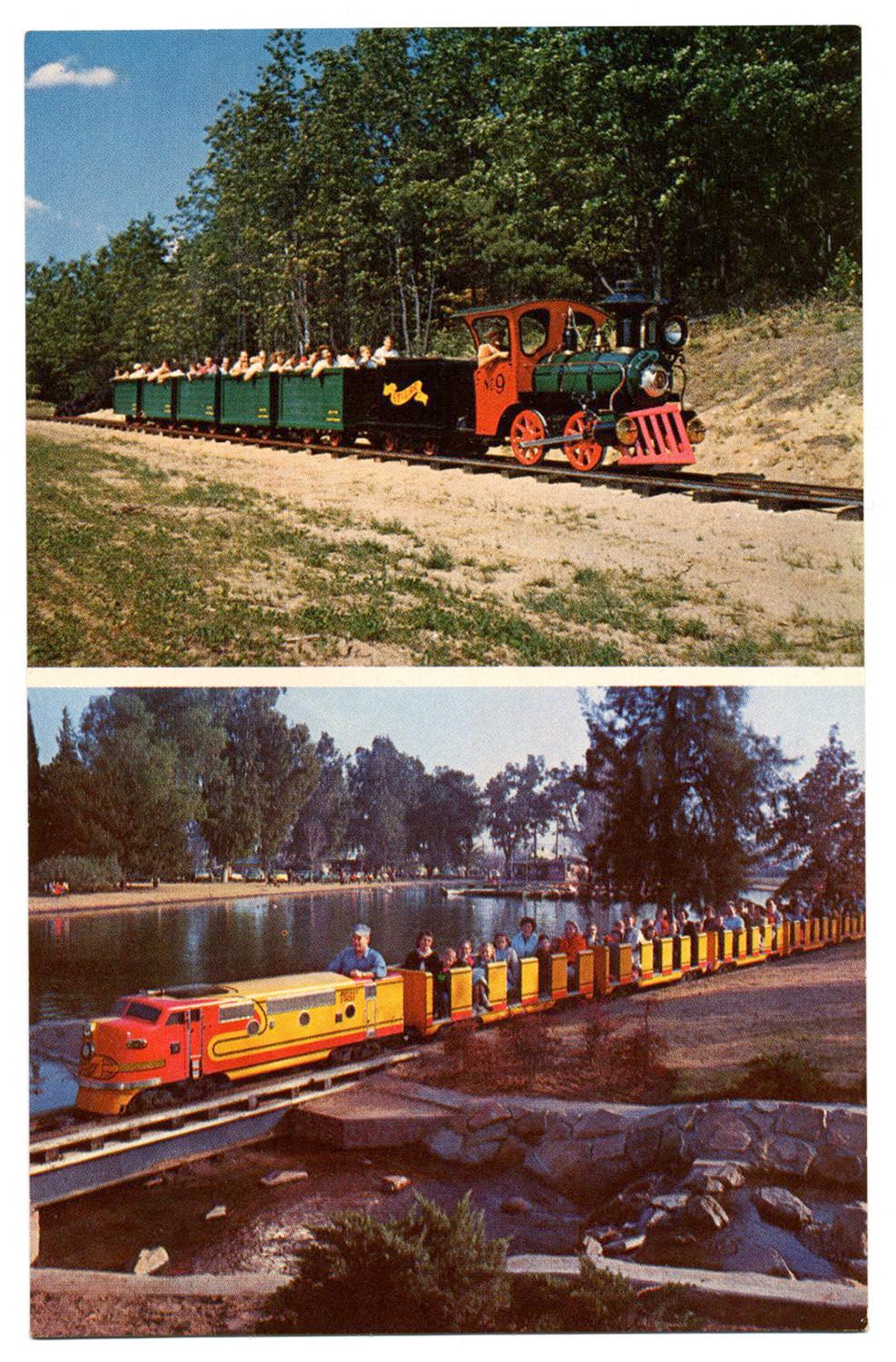
The University of Alabama collection is a tour through the theme park attractions of the era, the antique cars, chairlifts, trains and “super jets” that Mitchell and his partners planned to turn into profit. Guests would enter through a “Time Machine,” which would take them to “The Lost World,” a prehistoric landscape dominated by a seven-story walk-through plaster volcano; the fantastical Land of Oz, home to the Jack and the Beanstalk slide; the Old South, with its stern-wheeler boat ride and “Gay Nineties” saloon; and, most importantly, Moon City. Billboards across the South advertising the under-construction park featured a rocket ship and a playful cartoon astronaut. Until the park was completed—planned for spring 1965—the property would be open for fishing, camping, picnicking and skydiving.
But construction, which had started in early 1964, was delayed and delayed again. Just before the originally scheduled opening, a newspaper photo of the property showed only the past: a railroad track running by a few forlorn Southern-style buildings with the timber bones of a would-be volcano in the distance. There would be no future for Space City USA. In 1965, Mitchell resigned from the project and by 1966, it faced numerous lawsuits for unpaid bills.
As man inched closer to the moon, the theme park Mitchell had planned to capitalize on that mission rotted away. “Only occasionally curiosity seekers are in evidence at the property plus a supply of cans and rubbish—obviously the result of more than a few beer parties,” a Huntsville Times reporter wrote just three years after the plan was announced. Today, the only evidence of Mitchell’s moonshot is a few concrete remnants incorporated into an upscale housing development on Lady Ann Lake.
In the intervening years, local historians have blamed everything from the unseasonably cold and wet winter of 1964 and the competition from NASA-sanctioned attractions to mismanagement and outright fraud for the failure, estimated to have cost $2 million. “Generally it appears as though Space City was an ill-fated venture from its conception,” the Huntsville Times opined in 1967.
But Mitchell’s vision was not as absurd as it now seems. At the same time that Mitchell was announcing Space City USA, another man was considering another theme park with a futuristic bent on the outskirts of another small but growing Southern city near a NASA outpost. That man was Walt Disney, the city was Orlando, and the theme park was, of course, Disney World, now the most visited on Earth.