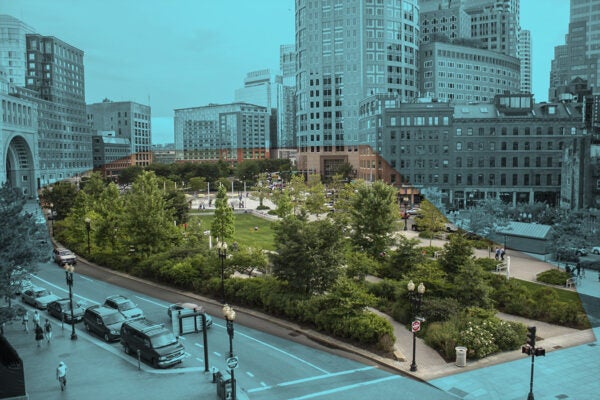
How the Big Dig Changed Boston’s Landscape
Created after the Big Dig, the Rose Kennedy Greenway shows how cities attempt to heal the scars of highway construction.
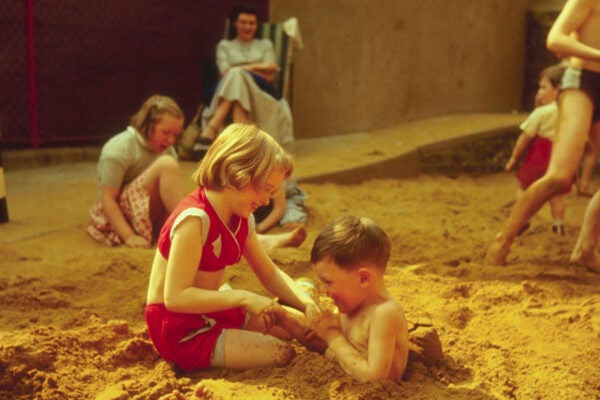
The Rise and Fall of the Public Sandbox
A nineteenth-century experiment in children's play helped reshape American cities—and later fell out of favor.
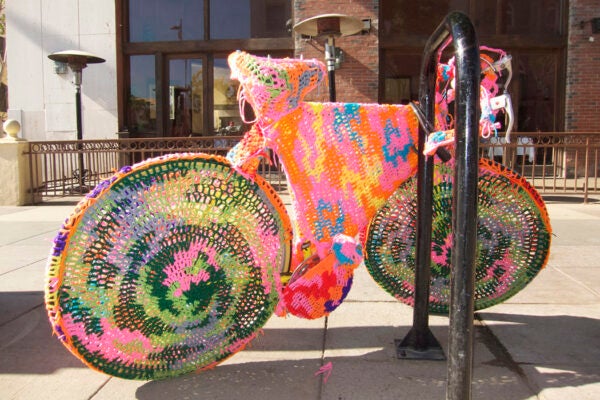
Knit One, Bomb Two: A Primer on Yarn Bombing
Soft fiber meets hard infrastructure in a global movement that tests the bounds of public art.
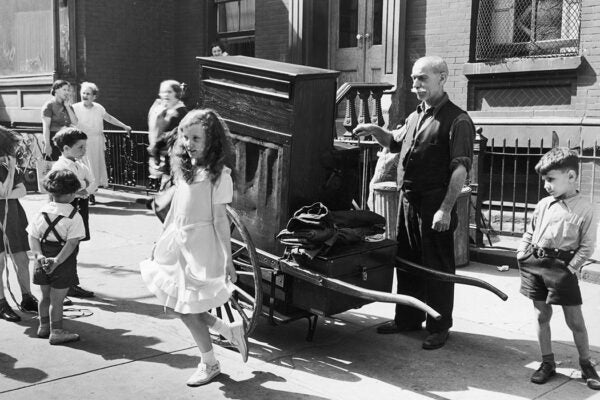
A War on Street Music in NYC
In the New Deal era, New York City banned street musicians, classifying them as beggars. Some New Yorkers fought back.
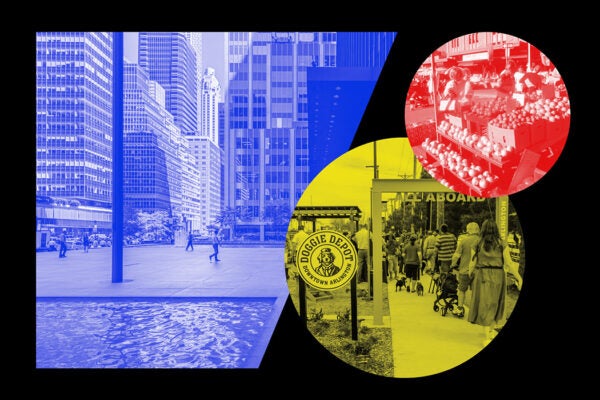
The Power of Placemaking
Why the social, political, and emotional dimensions of public spaces matter, and how people themselves play a central role in creating them.
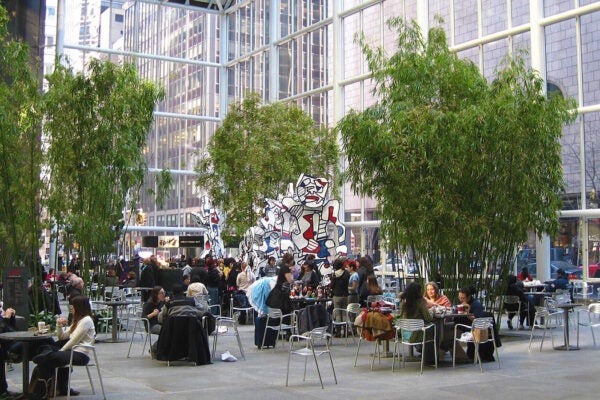
POPS Goes the City: Privately Owned Public Space and Its Discontents
Why is so much of the “public space” in cities actually private, and who benefits from it being that way?
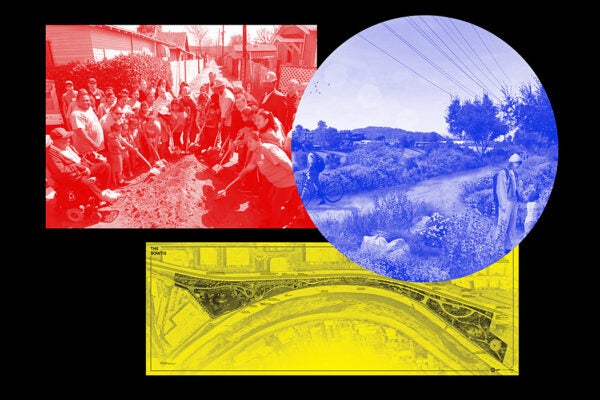
Designing for Community and Climate in Los Angeles
How can we design public spaces that help people thrive and connect—with each other and with their environment?
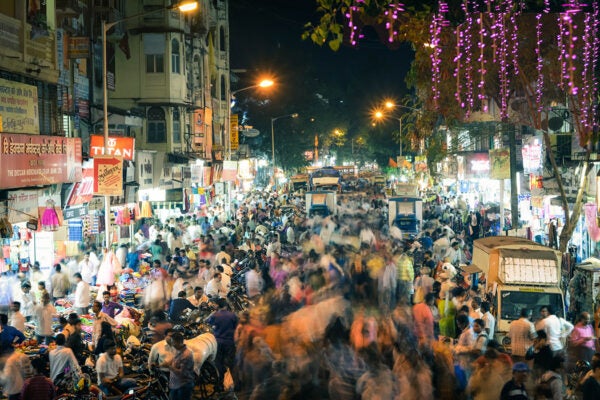
In Praise of Loitering
A possible remedy to sexual harassment and assault in public spaces is to encourage more people of all kinds to spend time on the streets.
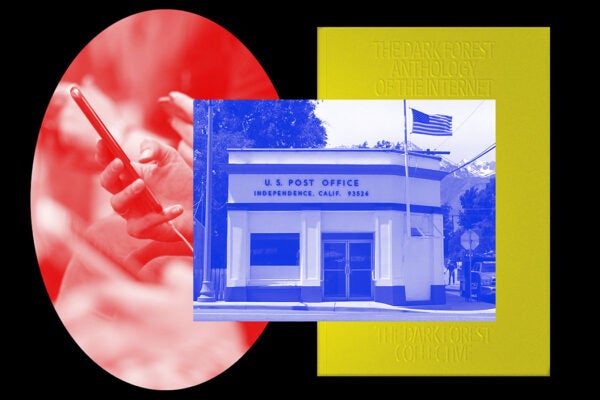
The Case for a Public Social Media Platform
Artist and writer Joshua Citarella explores why corporate platforms corrode democracy—and what a postal-service-style digital commons could do differently.
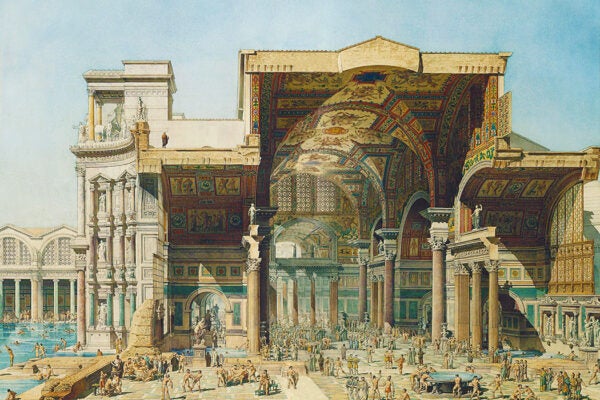
Bread, Circuses, Baths: Bathing in Rome, the Public Way
By the fourth century CE, Rome had some 856 privately owned public baths, the grounds of which served as civic gardens adorned with sculptures.