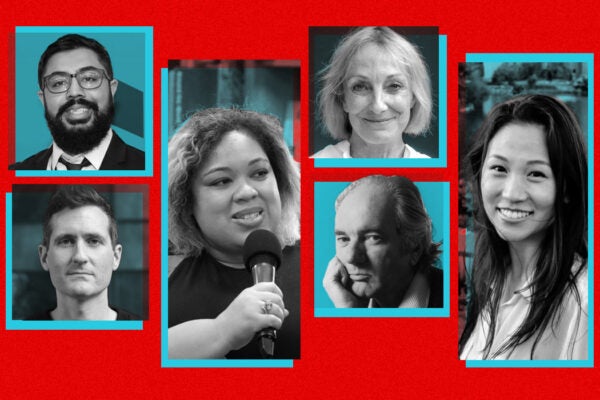
Six Stories with First-Person Narrators
Distinctive voices and unforgettable perspectives, by Danielle Evans, Jamil Jan Kochai, Catherine Niu, Thomas Bernhard, Christine Schutt, and Michael Deagler.
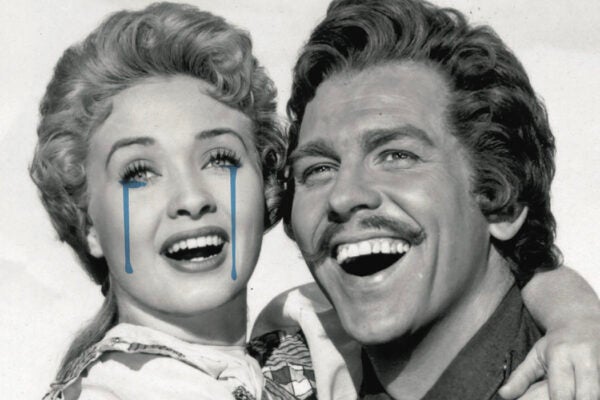
The Hidden Grief of American Musicals
Musicology professor Jake Johnson argues that beneath the bright songs and happy endings of midcentury musicals lay the grief and anxieties of postwar America.
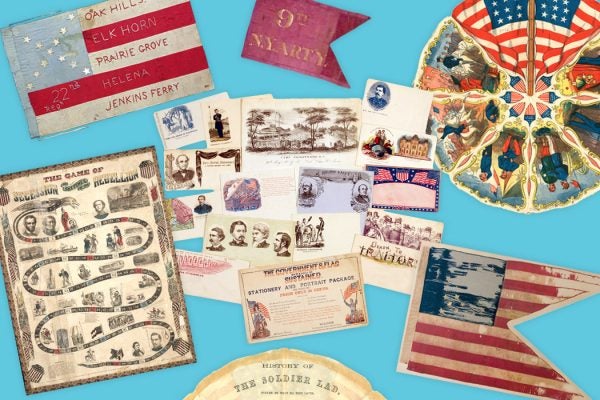
Celebrating the Fourth of July
Take a moment to contemplate the history and complexity of Independence Day, American Style.
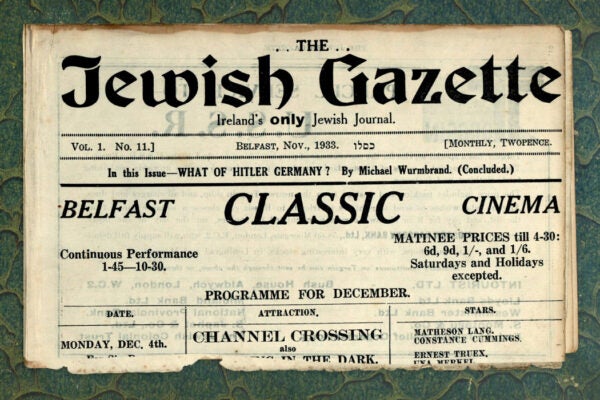
Rediscovering The Jewish Gazette
A rare archive reveals how Ireland’s Jewish community navigated identity, culture, and rising antisemitism in the 1930s.

Dorm Life Forever? The Problem with Micro-Living
Research suggests compact housing may normalize economic insecurity rather than address the roots of the affordability crisis.
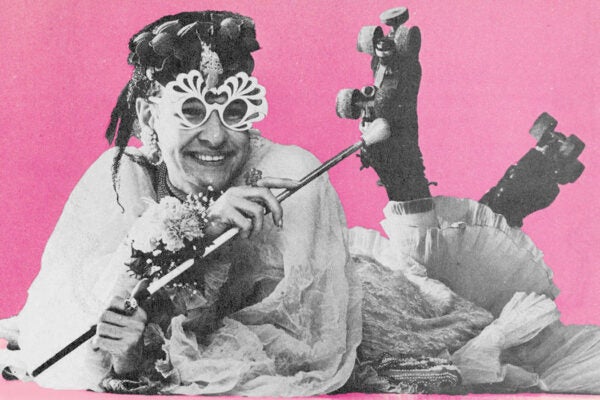
Rollerena: New York’s Fairy Godmother
A newly digitized archive traces a roller-skating queer icon from Pride marches and discos to AIDS activism.
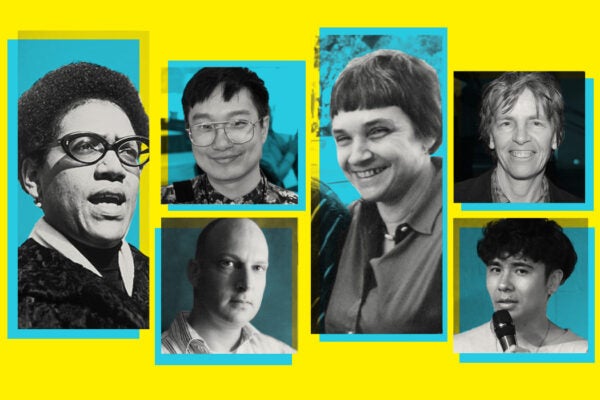
10 Modern and Contemporary Poems by Queer Writers
Love poems, political declarations, lyrical confessions, and formal experiments by Adrienne Rich, Audre Lorde, Ocean Vuong, Eileen Myles, and more.
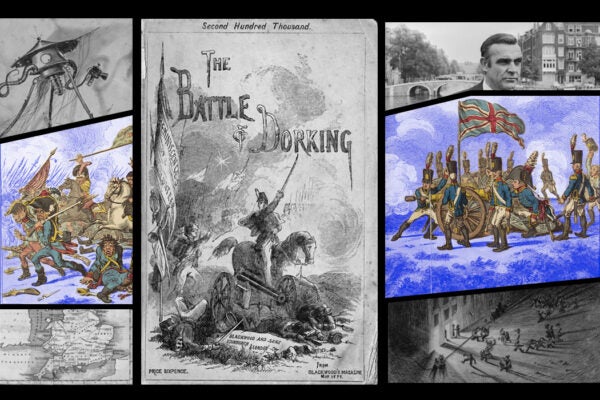
The Evolution of Britain’s Invasion Fiction
How fears of foreign plots and national decline moved from nineteenth-century novels into today's thrillers.
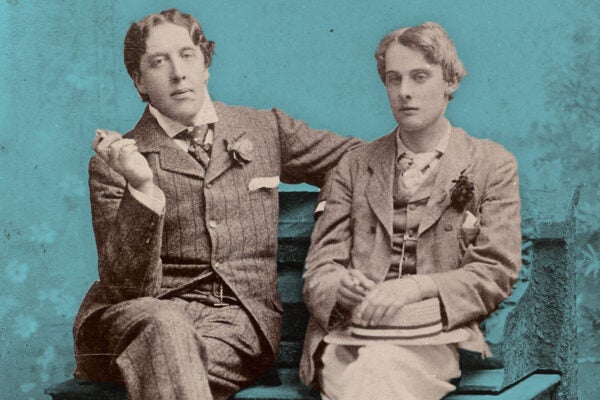
The Catholic Turn of Oscar Wilde’s Lover
Lord Alfred Douglas’s journey from Hellenism to Catholic mysticism shows how queer Victorians sought meaning and redemption through religion.
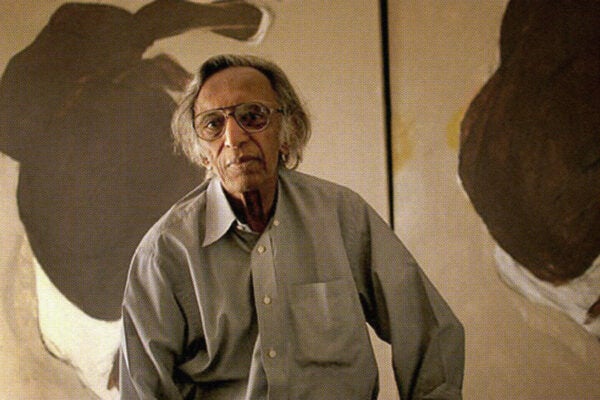
The Lasting Power of Tyeb Mehta’s Art
Long overshadowed by his peers, the Indian painter is now recognized for his haunting vision of modern life.