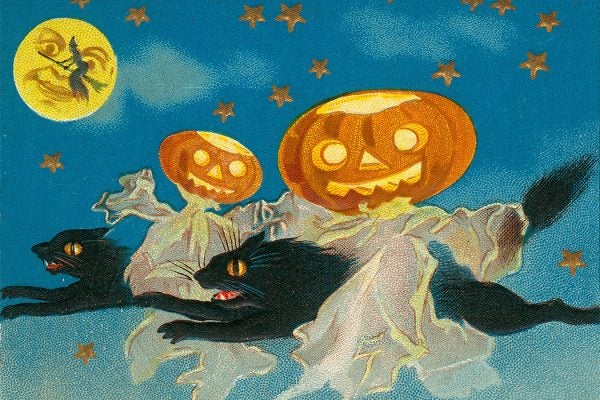
Ghosts, Witches, and Other Halloween Stories
A spine-tingling roundup of historical mysteries, supernatural folklore, and the strange things that have frightened us for centuries.
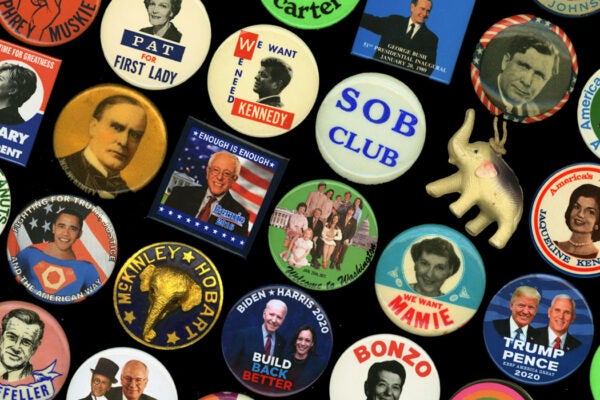
The Forgotten Stories Behind Presidential Campaign Buttons
The race for the White House has always inspired unusual publicity stunts. A vast collection shows just how strange they could get.
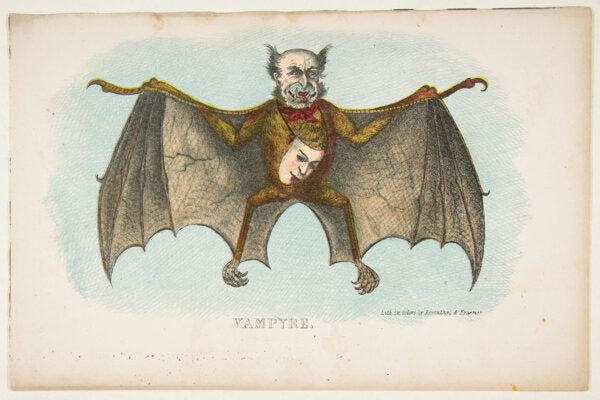
Frankenstein, The Vampyre, and the Spirit of the Humanities
How one ghost story competition continues to haunt the humanities—just in time for Halloween.
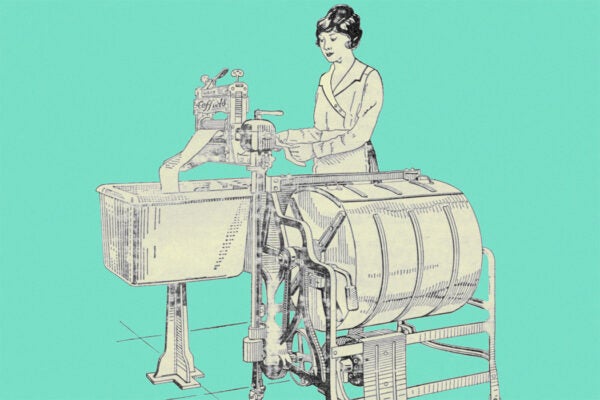
Why Washing Machines Took Decades to Catch On
Early electric laundry appliances promised to make housework easier. But convincing American households to buy them was another matter.
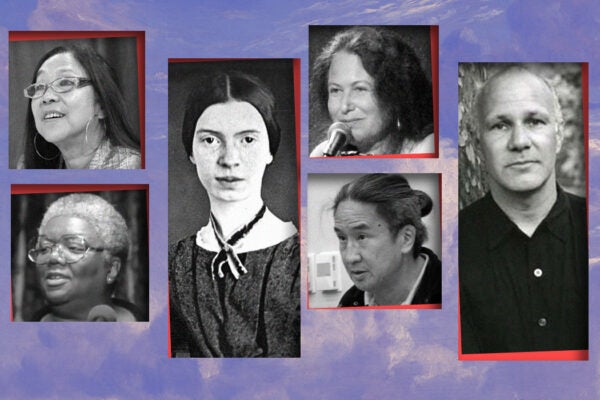
Ten Poems about Sleep and Dreaming
Visions of the unconscious by Emily Dickinson, Louise Glück, Lucille Clifton, Carl Phillips, and more.
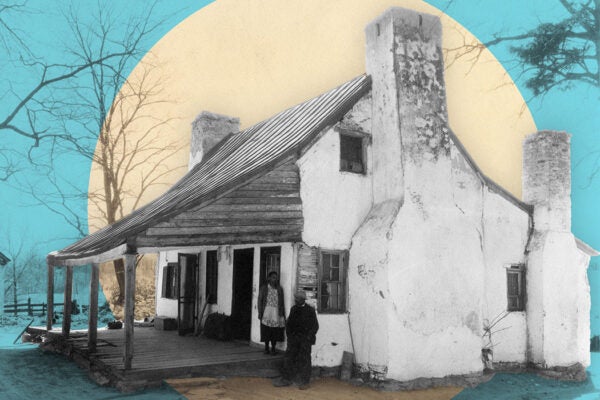
The Photographer Who Preserved Everyday Architecture
Frances Benjamin Johnston looked beyond grand estates to document the ordinary buildings that defined American life.
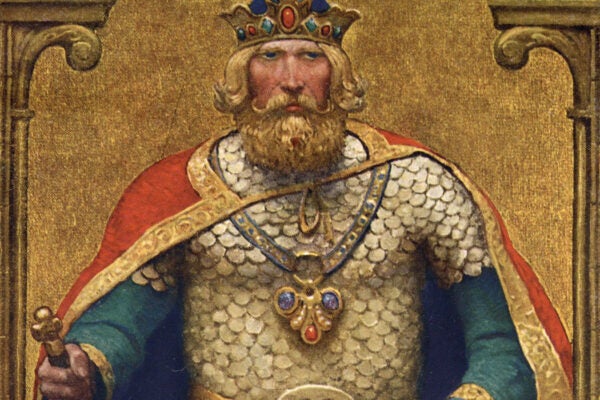
Why King Arthur Still Shapes Pop Culture
Eight centuries after the legends took shape, Arthur's world continues to inspire filmmakers, musicians, advertisers, and ideologues.
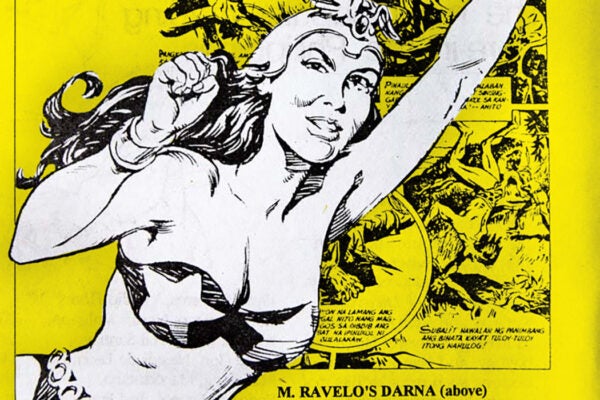
The Folk Stories Behind the Philippines’ Superheroes
Filipino komiks have long drawn on mythology to create larger-than-life champions for ordinary people.
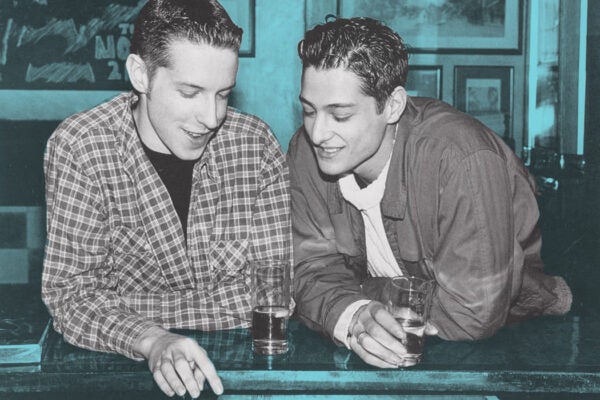
Reading for LGBTQ+ History Month
A collection of stories tracing how queer people have built communities, challenged norms, and preserved their histories.
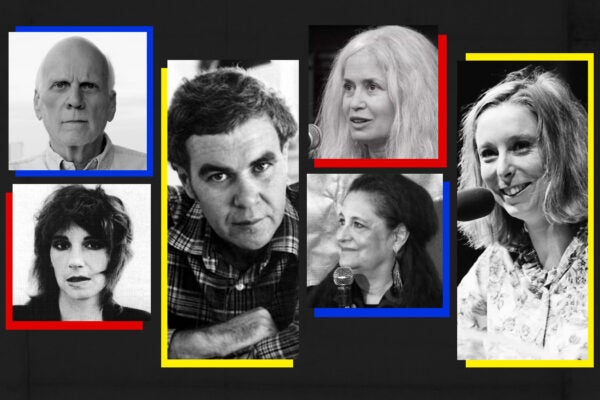
Minimalist Fiction in Six Short Stories
The art of saying more with less, by Raymond Carver, Amy Hempel, Frederick Barthelme, Jayne Anne Phillips, Mary Robison, and Ann Beattie.