Feeling worried about how to live your life? Creeping sense of dread got you down? Scholars often identify anxiety as a distinctly modern issue, associated with existentialist thinkers, particularly Danish theologian and philosopher Søren Kierkegaard. But Paul Megna, a scholar of literature and philosophy, argues that Kierkegaard was “a modern practitioner of a deep-historical, dread-based asceticism” with roots in ancient religious ideas.


Megna writes that dread in an existential context can be found in early Hebrew scriptures, where “fear of the Lord” appears as a central aspect of worship—identified as “the beginning of wisdom” in Psalm 111, for example. The Book of Vice and Virtues, a Middle English confession manual used to encourage spiritual growth among lay people, describes dread as a method to wake individuals from “the sleep of sin.” Other medieval writers discussed holy fear as a bulwark against enticement away from a pious life.
Christian theologians had to reconcile the desirability of dread with the promise of the overcoming of fear found in some passages of the New Testament, such as 1 John 4.18’s promise that “perfect love casts out fear.” A popular answer was that Christ’s love could destroy the “servile fear” of God’s anger but not the “chaste fear” of becoming separated from God through sin.
More to Explore
That Time Jean-Paul Sartre Got High on Mescaline
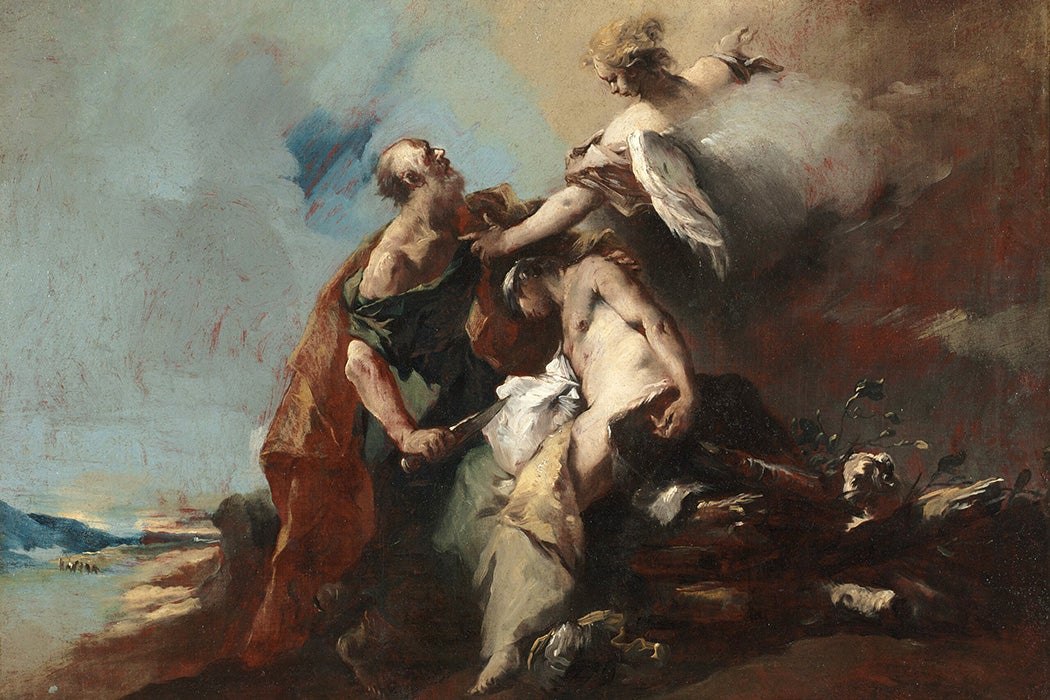
Devotional dramas instructed medieval audiences in how to dread well. For example, dramatizations of the story of Abraham and Isaac emphasized the fear of God overcoming the fear of death. Meanwhile, mystics such as Julian of Norwich and Margery Kempe portrayed dread as a kind of prayer answered with God’s love. Megna notes that, in Kempe’s account of her life, Christ consoles her with the phrase “dread not daughter” on 22 different occasions.
Weekly Newsletter
Megna argues that, for Kierkegaard, a nineteenth-century philosopher steeped in Christian tradition, anxiety was a guide to ethical behavior in much the same way medieval Christians saw dread. Where he viewed fear as a reaction to a particular danger, he saw anxiety as a more fundamental aspect of human life, caused by a person’s knowledge of their freedom and responsibility to choose how to act. This stress could lead an individual toward faith in the love of God.
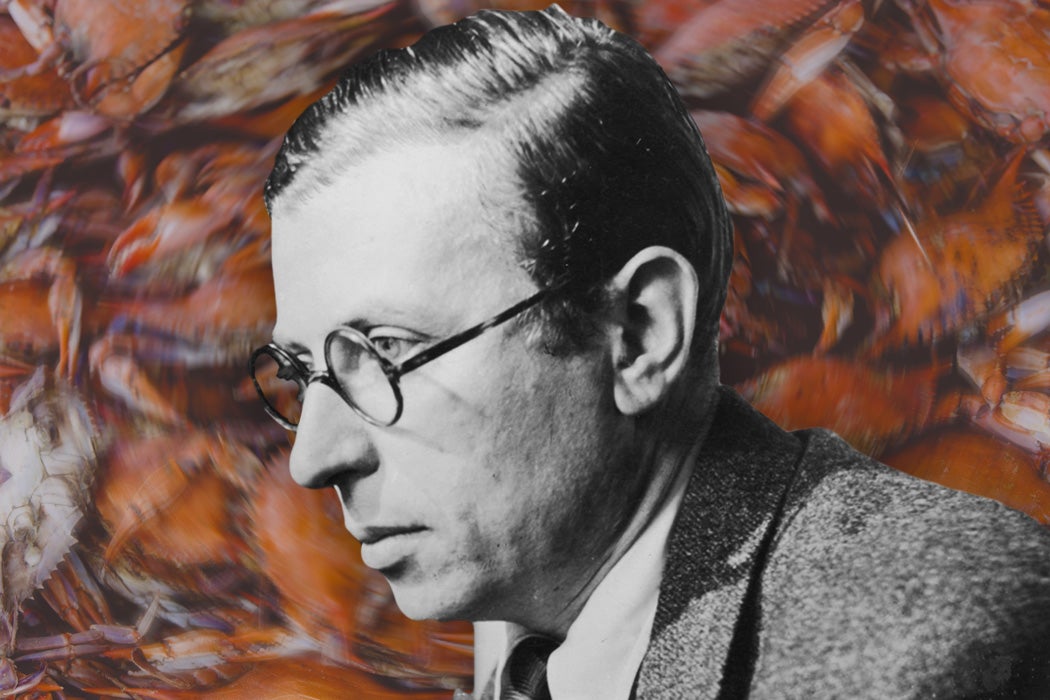
Later philosophers modified and secularized Kierkegaard’s take on anxiety. Jean-Paul Sartre viewed it as a means for an individual to understand their obligations to other people. This contributed to a school of psychoanalysis that, rather than attempting to help clients escape feelings of anxiousness and despair, treats them as an engine for figuring out how to live an ethical life.