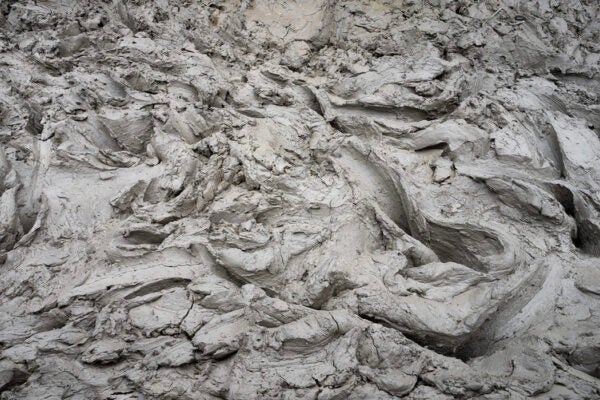
Why Mud Matters
The microbes in muddy sediments help regulate Earth’s climate and keep ecosystems functioning.
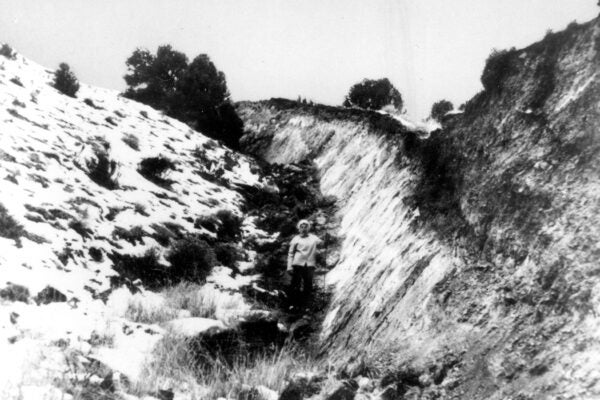
What Does an Earthquake Sound Like?
Seismologist Hugo Benioff spent decades turning seismic vibrations into signals he could study—and, eventually, hear.
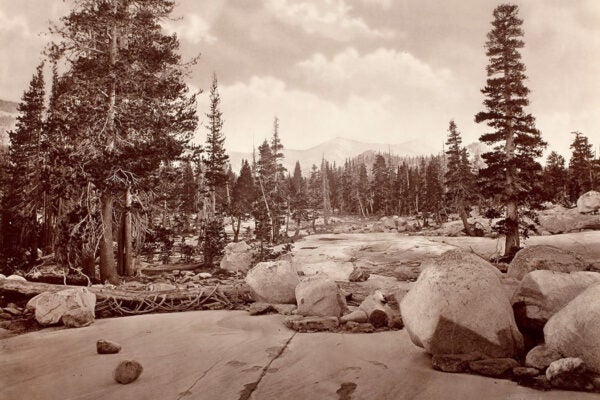
Living Laboratories: Science and the National Parks
National parks in the US are filled with glaciers and volcanoes, which isn't an accident, as the parks developed alongside the sciences of glaciology and volcanology.
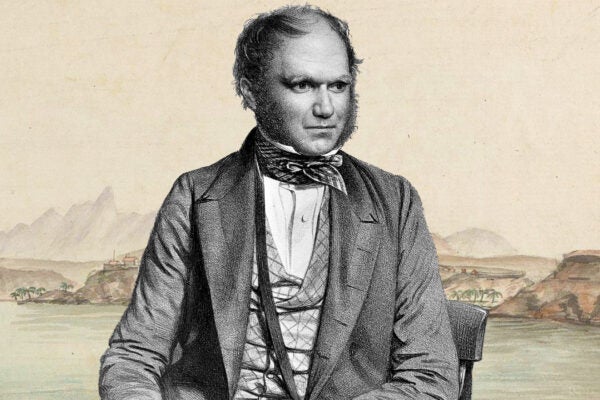
“Mad About Geology”: Charles Darwin’s Origin Story
At university and in the field, Darwin trained his scientific thinking as would a geologist, seeking causal explanations for observed natural phenomena.
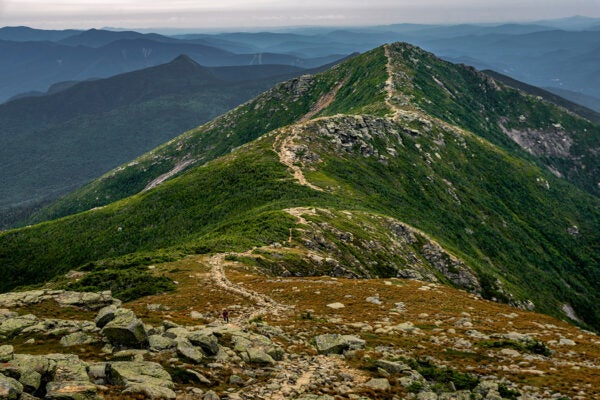
How Did Eastern North America Form?
With many collisions and much crumpling of rock, down the ages. The story holds lessons for how the edges of continents are built and change over time.
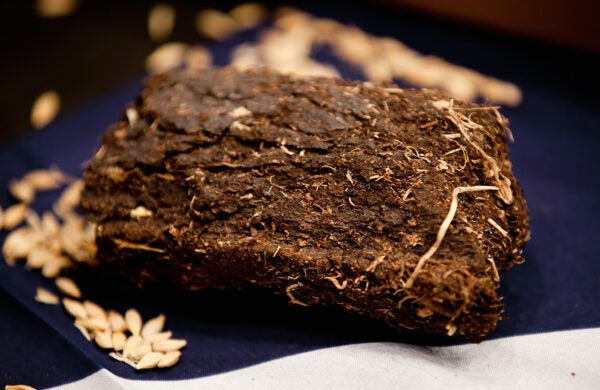
Why Peat Is a Key Ingredient in Whisky and the Climate Crisis
Approximately 80 percent of Scotch whisky is made using peat as a fuel source for drying barley during the malting process. Is that a problem?

Moho-A-Go-Go: Journey to the Far Edge of the Center of the Earth
The “Moho,” short for the Mohorovičić discontinuity, is a long way down.
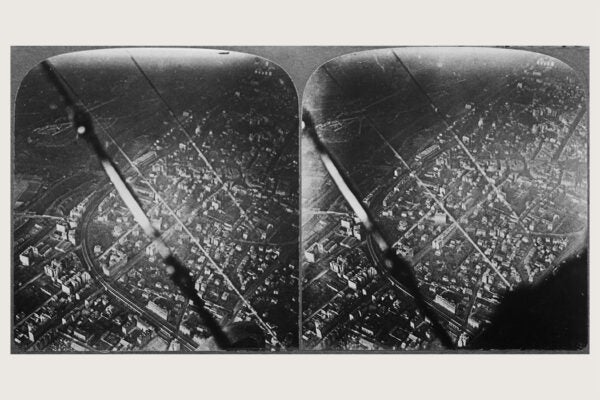
High-Flying Geology
The development and refinement of aerial photography in the World Wars transformed the discipline of geology.
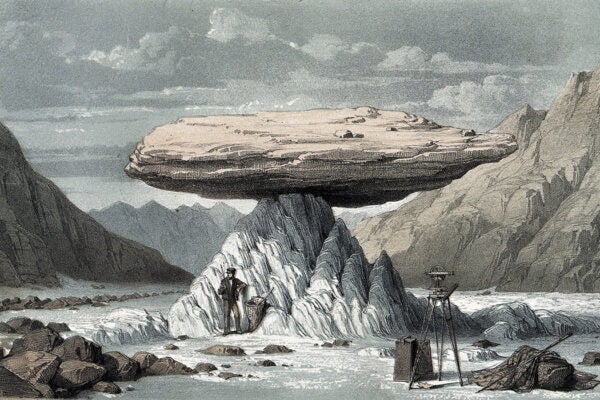
How Sports Shaped Glacier Science
The heroic masculinity that governed early glacial science had its roots in nineteenth-century British sporting culture.
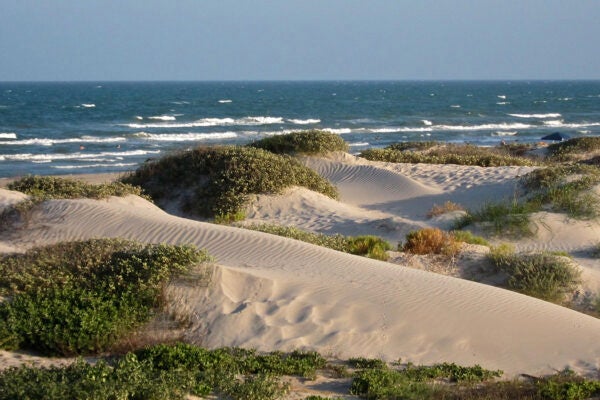
The Shifting Sands of Hurricane Resilience
Sand dunes act as shock absorbers during hurricanes, both when the storms hit and while reestablishing roots (literally) in the aftermath.