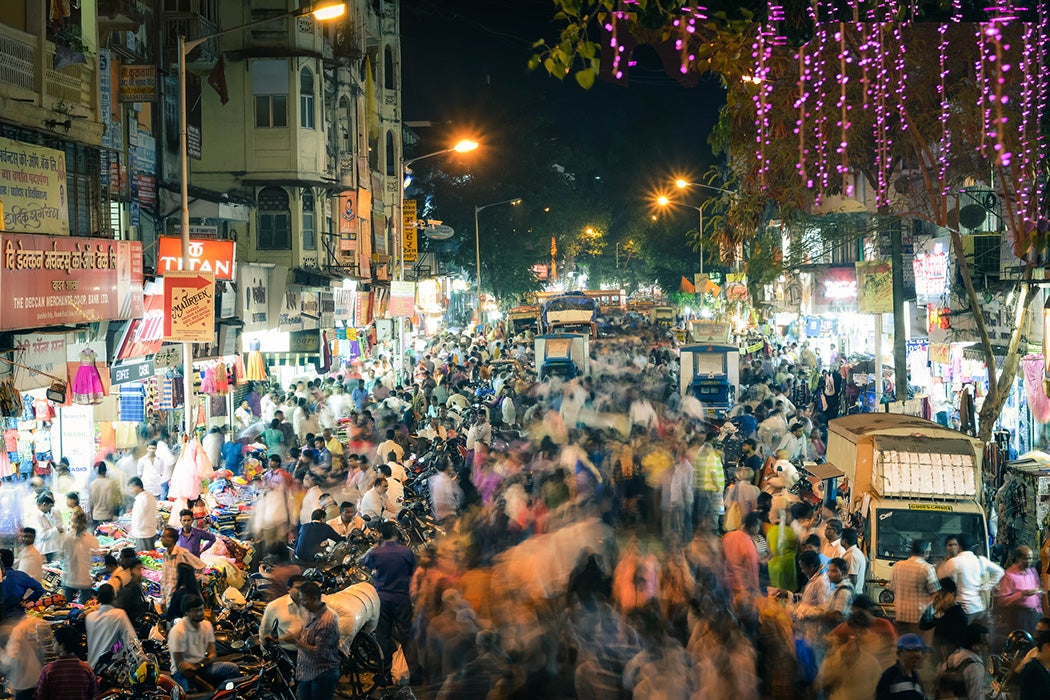
For women all over the world, urban streets can be unfriendly places, for reasons ranging from catcalling to well-founded fears of violent assault. Looking at Mumbai as a case in point, media and cultural studies scholar Shilpa Phadke argues that the solutions authorities pursue for this problem often take cities in the wrong direction.


In Mumbai and other Indian cities, the issue came into sharp focus around the time Phadke was writing in 2013 due to brutal and highly publicized gang rapes of professional young women. Phadke notes that cases in which middle-class women are assaulted by men from lower classes or castes typically receive much more attention than either violence committed by wealthier men or attacks against less privileged women.
In response to the high-profile assaults, some officials attempted to limit women’s presence in public spaces. For example, the city of Gurgaon ordered malls and other retail locations to stop allowing women to work after 8 p.m. without special government permission. Phadke writes that this “solution” has less to do with realistic risk-reduction than with policing the places it’s considered appropriate for women to be.
“One might say that many women are horribly unsafe at home…and yet we do not stop women from being there. In fact we urge them to be in that very space,” she writes.
When it comes to the related issue of street harassment, many young women describe their concerns not just about being insulted or hurt but also about threats to their reputation. Phadke writes that they fear their “presence on streets where sexual harassment is likely reflects a certain kind of unbecoming ‘boldness.’” Women often express concern about neighborhood “aunties” commenting on their appearances or behaviors, something that could ultimately harm their marriage prospects.
More to Explore
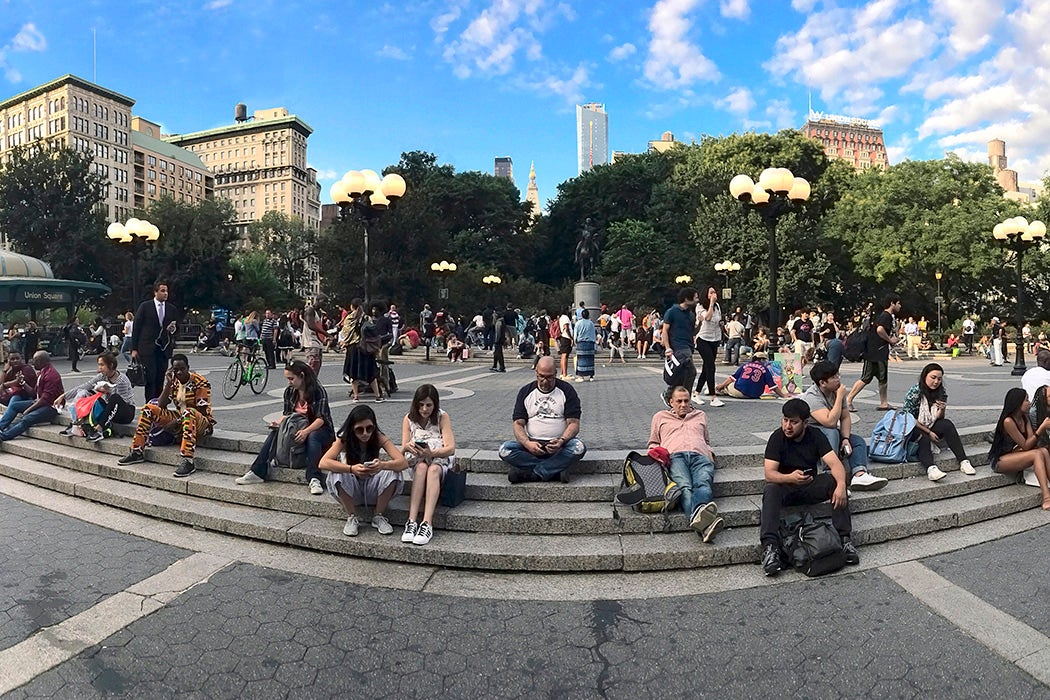
Perspectives on Public Space: A Reading List
In contrast to keeping women off the streets for their own good, another response to sexual dangers is to increase surveillance on populations of men viewed as dangerous—in Mumbai often meaning unemployed or low-paid, migrant, and low-caste or Muslim men. But Phadke suggests that a better way to make streets safer is to encourage a diversity of people, including those very men, to feel welcome. For example, in one Mumbai neighborhood, when street booksellers were removed from a corner, it caused women to feel less safe after dark. That was partly just because it meant fewer eyes on what was happening on the street but also because it reduced the felt sense that this was an appropriate place for all sorts of activities.
Weekly Newsletter
Ultimately, Phadke argues, more loitering—people playing games, buying snacks, going in and out of bars, flirting, and generally hanging out—means both greater safety and a better quality of life.
“It is important that we keep on asserting and reasserting the value of wandering aimlessly and hanging out on the streets without purpose as a means of claiming not just citizenship but the right to fun,” she writes.