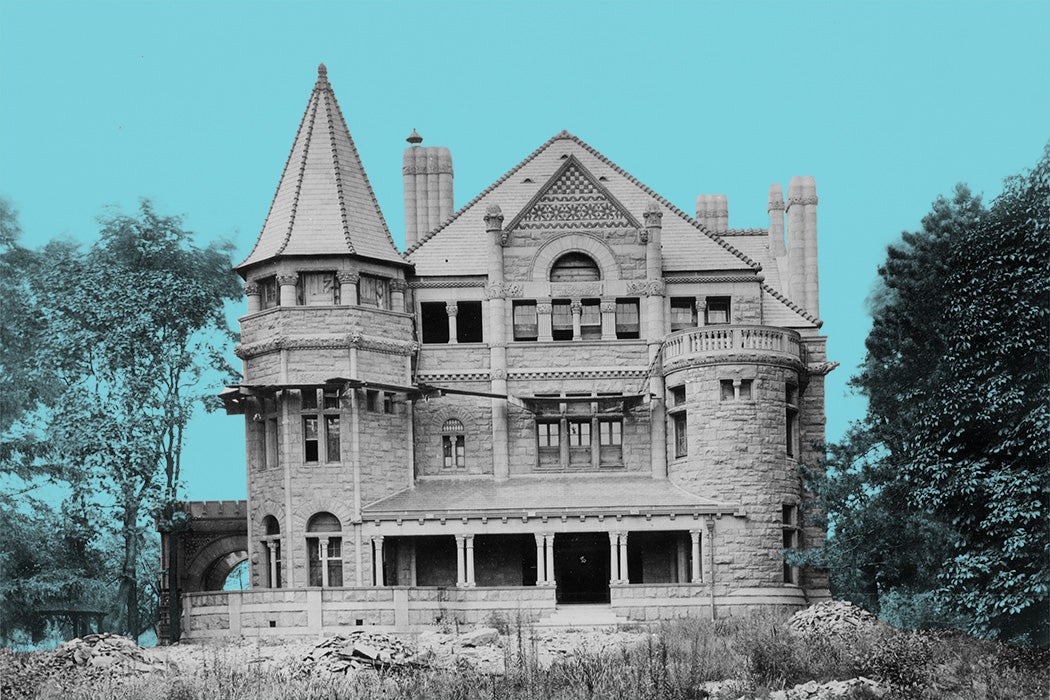
Cleveland, Ohio was one of the great American industrial powerhouses of the late nineteenth and early twentieth centuries. Founded in July 1796 by General Moses Cleaveland, its namesake, the city had become the sixth-largest in the United States by 1910. The architecture built during this economic boom showed the wealth and grandeur Cleveland once held.


The latter half of the nineteenth century saw great industrial growth—and thus economic growth—in and around Cleveland. As Elizabeth Barlow Rogers explains in SiteLINES: A Journal of Place, “[t]he demand for steel at a critical moment in the nation’s history in order for other cities to also construct large industrial plants and manufacture tracks, railroad cars, automobiles, and various additional steel-based products ensured their prosperity.” During Cleveland’s Gilded Age, grand architecture rose across the city, shaped by the City Beautiful movement and popular revival styles. Images of Cleveland’s historic architecture, preserved in the Architecture of Greater Cleveland and Ohio collection at Cleveland Public Library and shared via JSTOR, offer visual insight into the styles and structures that defined the city during this period of rapid growth.
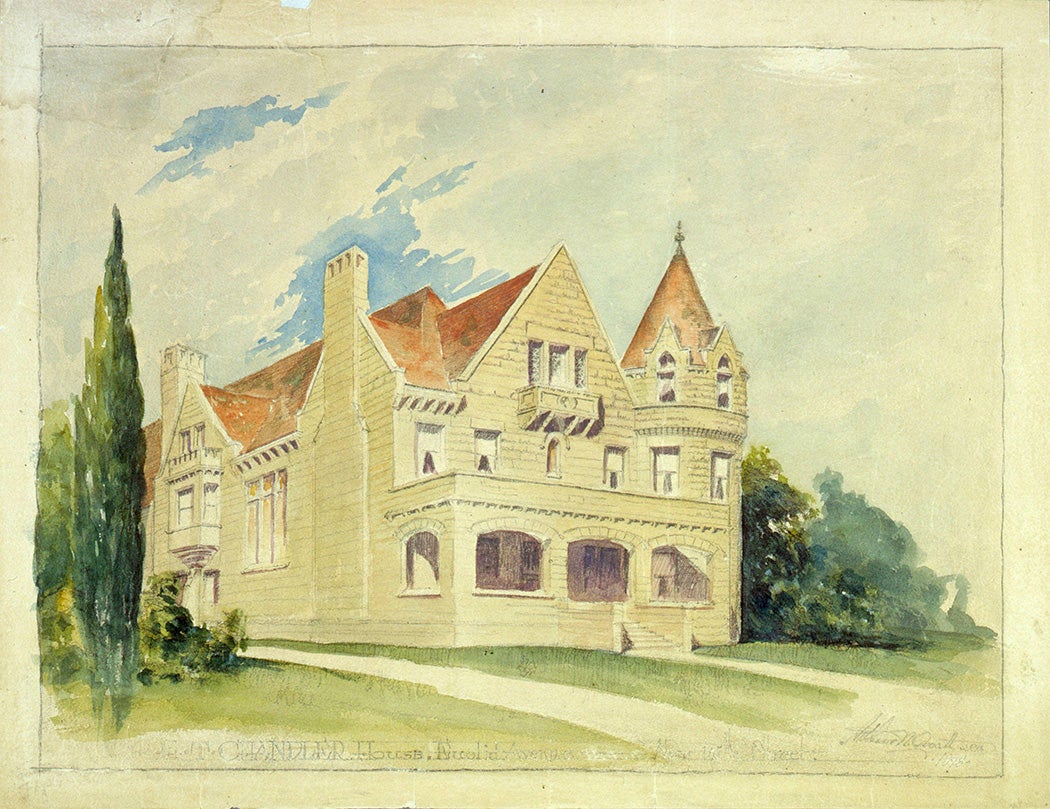
This was the period in which Cleveland’s “Millionaires’ Row” on Euclid Avenue developed. Along this grand street, writes Carol Poh Miller in the Journal of the Society of Architectural Historians, “lived Cleveland’s contented, native-born aristocracy: the president and partners of Standard Oil, the developer of the arc light and practical electrical power, financiers and industrialists, shipping and iron ore executives, bankers and lawyers.” John D. Rockefeller, of Standard Oil fame, lived in a mansion on Euclid Avenue before relocating to New York City. The architectural styles of “Millionaires’ Row” varied. Stately homes could be Gothic or Romanesque Revival, Queen Anne or Neoclassical.
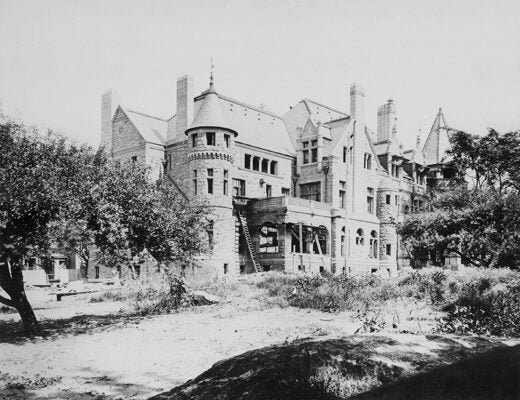
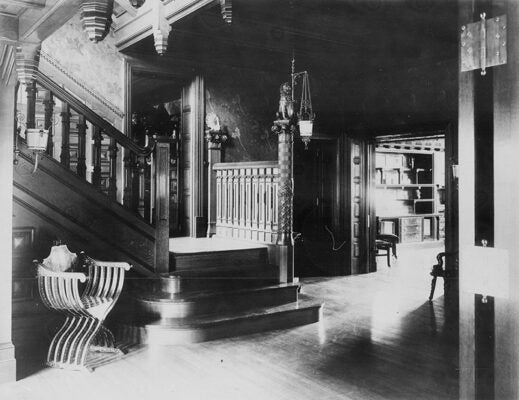
Charles Frederick Schweinfurth was one of the architects who shaped the built environment of the wealthy in Cleveland. Born in upstate New York likely in 1857, Schweinfurth spent time working in architectural offices in both New York City and Washington, D.C. before making his way to Cleveland. He was hired by Sylvester T. Everett, a wealthy Cleveland financier, to design his mansion.
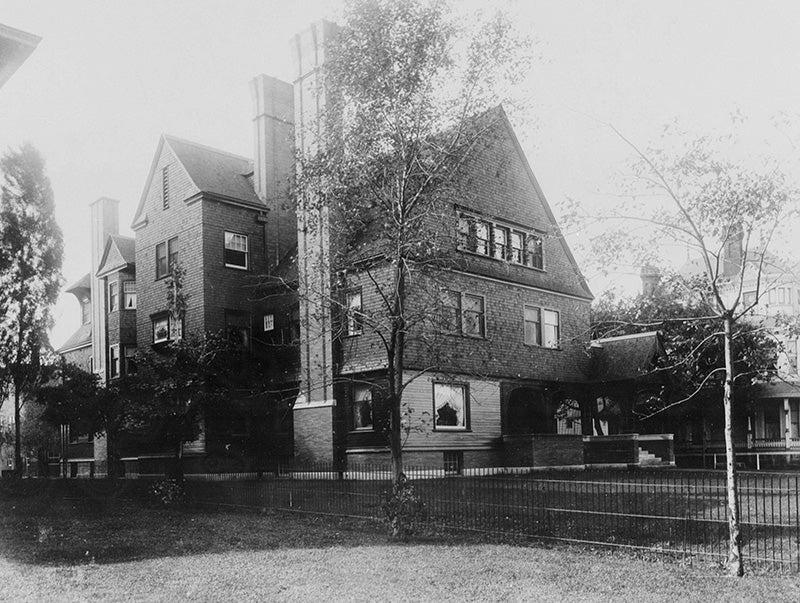
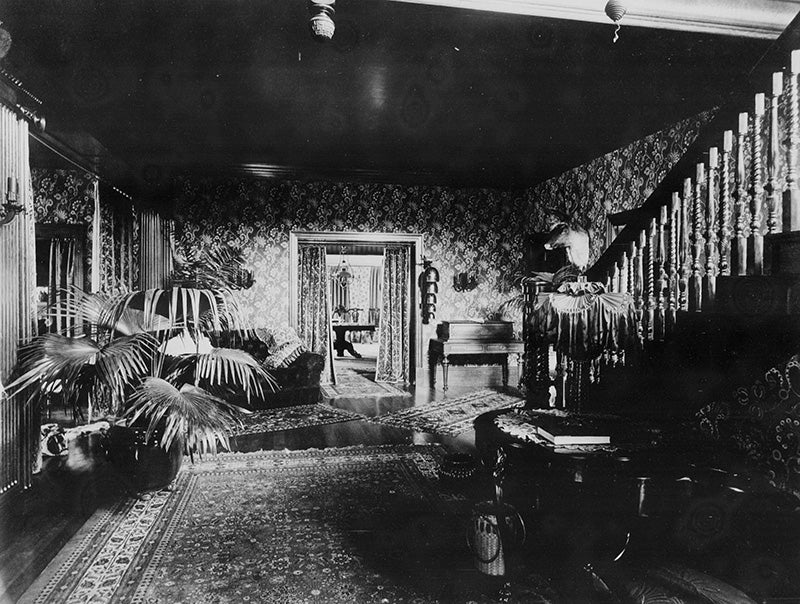
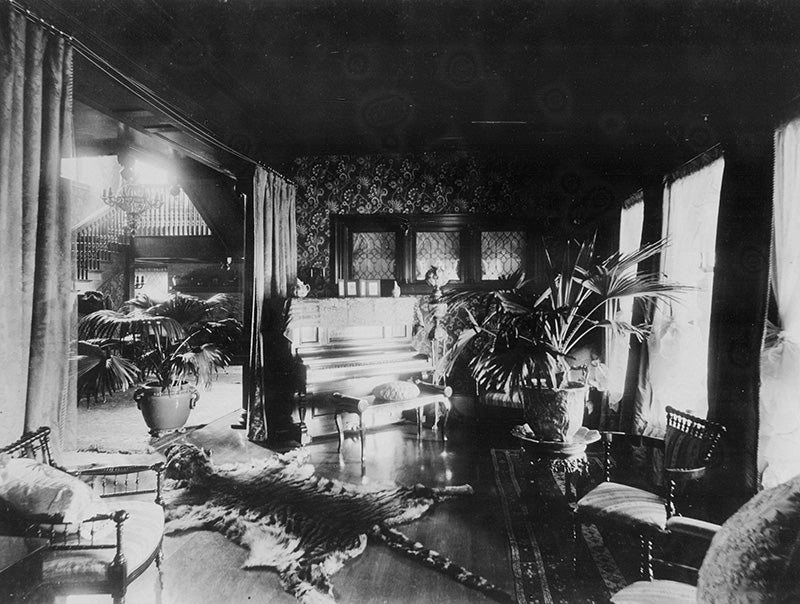
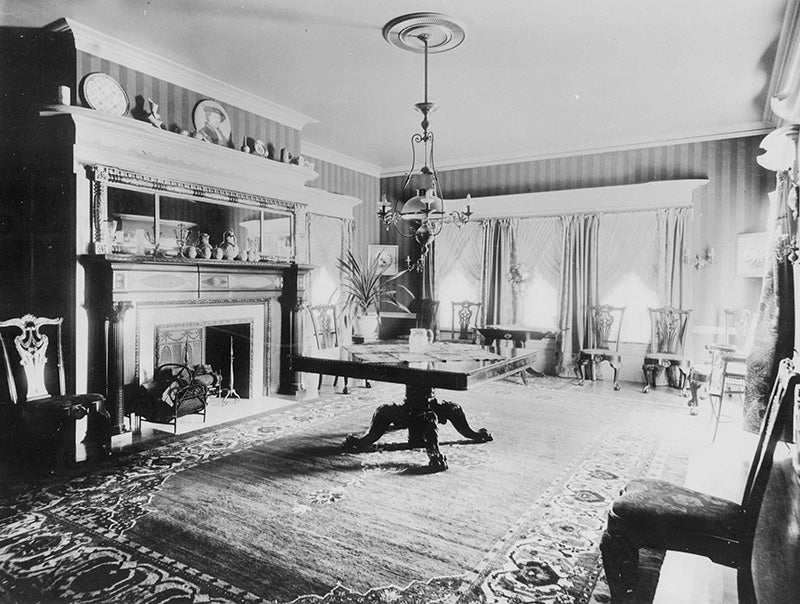
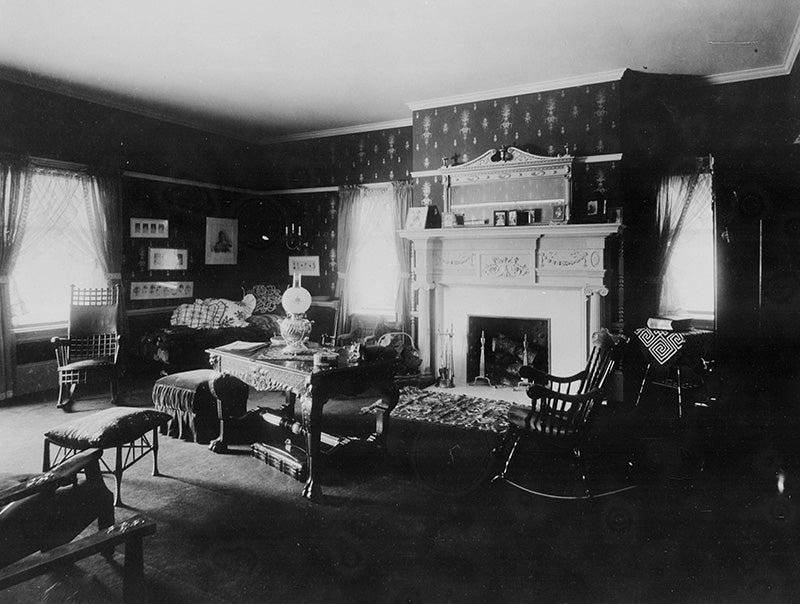
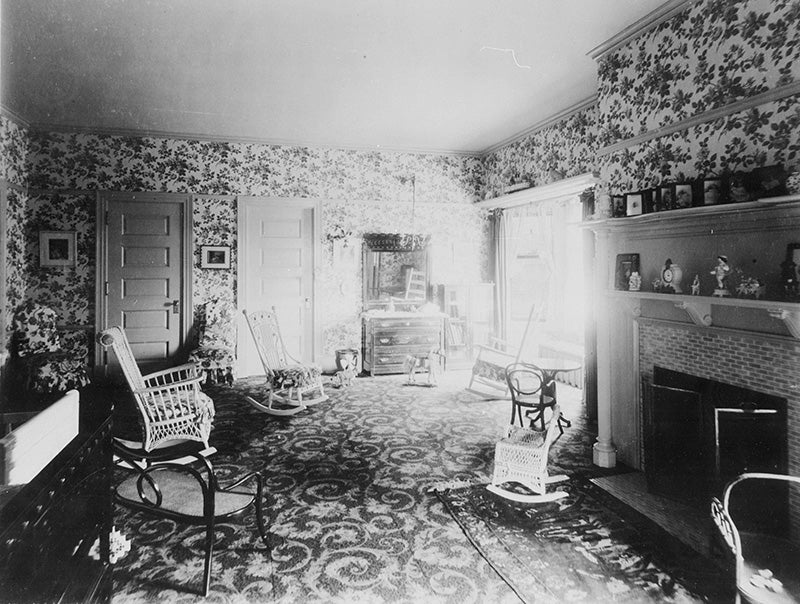
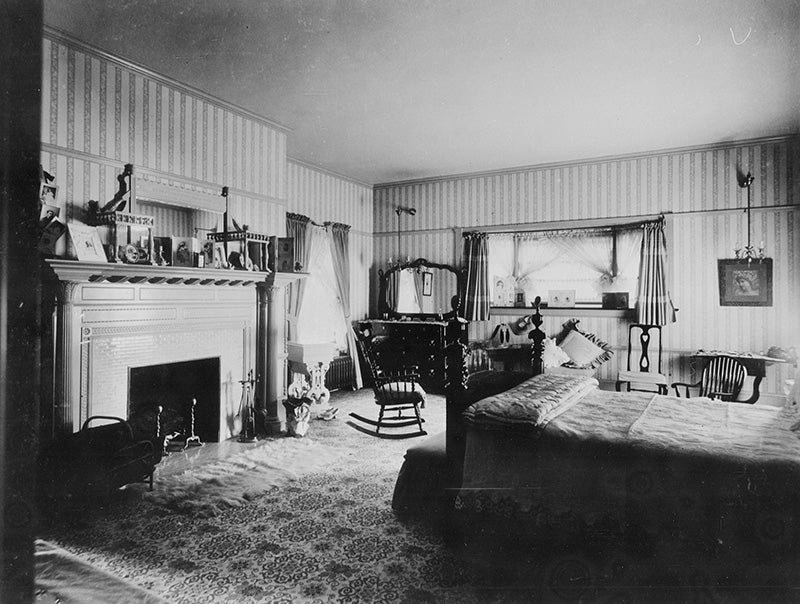
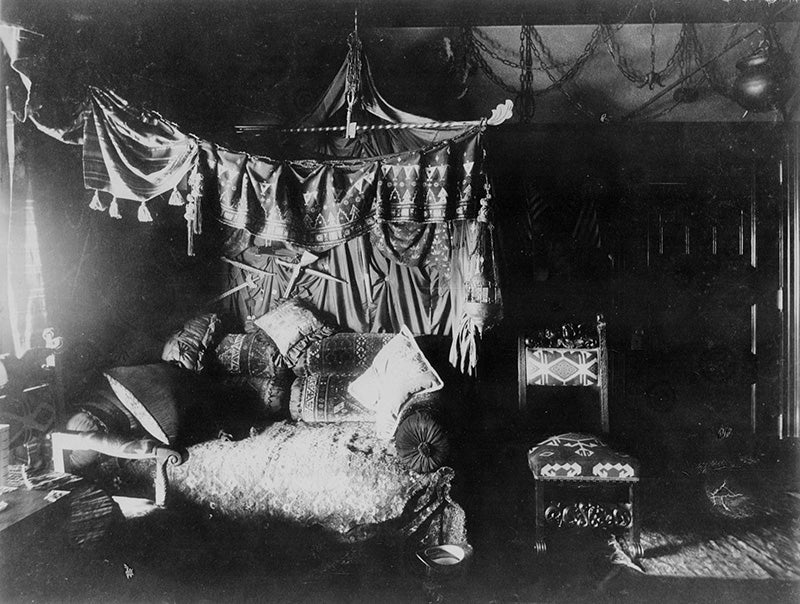
Everett’s commission was the first Schweinfurth would receive along “Millionaires’ Row.” Schweinfurth would go on to design eighteen of the grand homes on Euclid Avenue, which architectural historians credit to his “special talent for translating the personal aspirations of his clients into meaningful architectural forms without compromising his own unique style.”
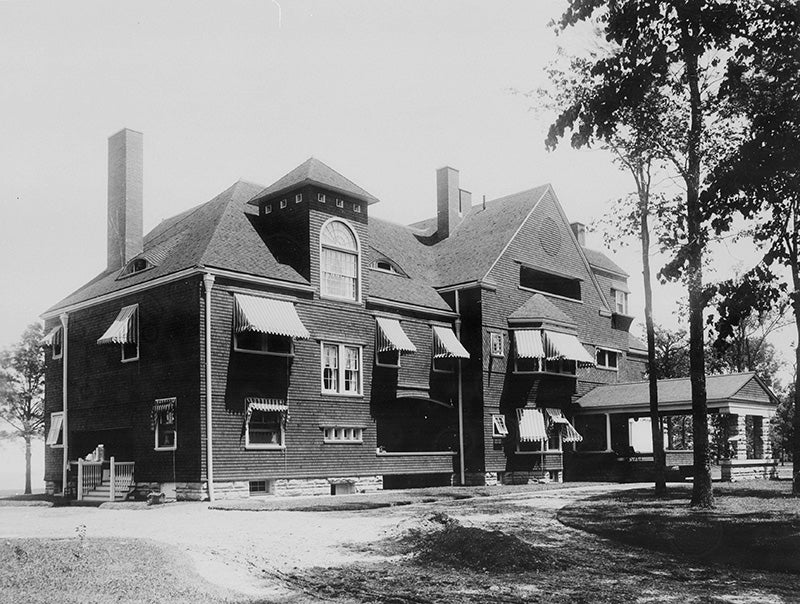
Cleveland’s Euclid Avenue was not just for residential architecture, however. The city’s wealthy were drawn to build their homes there because of its close proximity to Cleveland’s commercial center, where their offices and other commercial businesses were located.
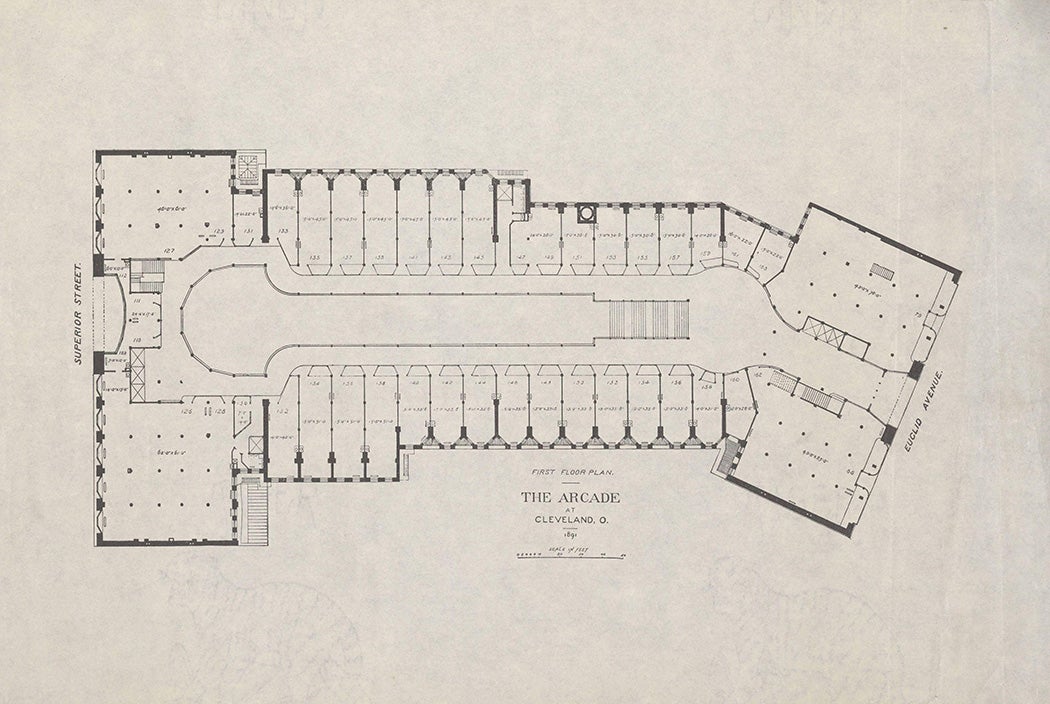
The Arcade, which still stands in Cleveland today, is an excellent building from the period whose design was based on the glass and iron shopping arcades typically found in Europe. Historian Mary-Peale Schofield notes that “the full development of the decorative iron and glass skylight in America came in the last decades of the [nineteenth] century,” later than their popularity in Europe. Positioned between Euclid and Superior Avenues, the Arcade provided a commercial passage connecting two of Cleveland’s busiest commercial streets.
Weekly Newsletter
The grandeur of Cleveland’s Gilded Age would later fall victim to economic changes and the rise of car-centric urban design during the post-World War II building boom in the United States. These shifts were compounded by the fact that the city’s economy had never fully rebounded after the Great Depression. Some of the grand mansions of “Millionaires’ Row” had already been divided into rooms for rent by the 1920s, and in the 1950s freeway development split Euclid Avenue in two. Today a handful of historic buildings remain, giving a glimpse of the city’s previous glamour. This includes the Mather Mansion, a Tudor Revival design by Schweinfurth and one of the few Euclid Avenue mansions that still stands.