In recent decades, equine-assisted therapy (EAT) has become a fairly popular kind of treatment for people dealing with various mental health concerns. Psychologist and researcher Arieahn Matamonasa-Bennett suggests considering this modality from a different perspective: that of the horses.


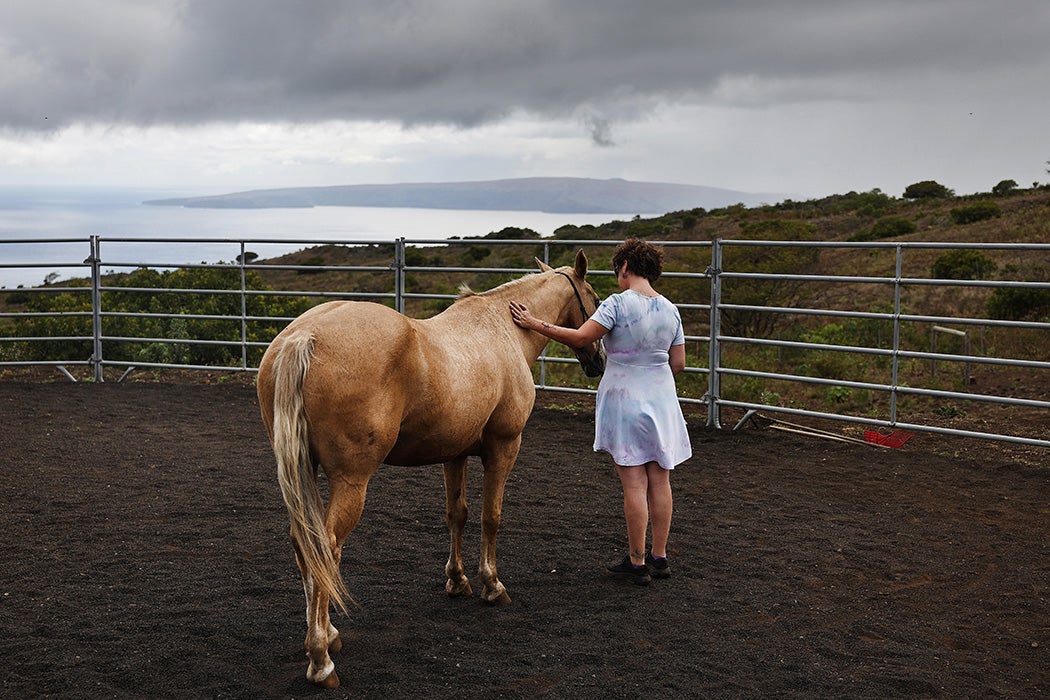
In EAT, clients interact with, and typically ride, a horse as part of a broader therapeutic approach. Riding can reduce patients’ stress, ground them in the present, help them gain a sense of mastery, and help them build trust with another creature.
Matamonasa-Bennett argues that, even though practitioners of equine-assisted therapy generally love horses, they operate in a paradigm that assumes animals are a tool for humans to use for their own purposes. Speaking with professionals in EAT, she found that most had a utilitarian view of the horses they worked with, discussing how they could function as “metaphors” for clients’ lives or “mirrors” of their emotional states. Many also told her they had never considered the therapy’s impact on the horses.
As prey animals, horses are sensitive to signs of potential danger and can easily become distressed. Based on conversations and direct experiences with the therapy, Matamonasa-Bennett found that therapists often ignored signs of equine distress or treated them merely as reflections of a patient’s emotional state, rather than as concerns warranting attention in their own right. Often, a therapy facility will use a small enclosure to put together multiple horses and their clients, which frequently results in stress behaviors such as stomping and tail-swishing.
Some therapists did express a desire to support the horses’ well-being, typically by allowing them to remove themselves from interactions with a client if they became distressed. But, in practice, this is frequently difficult to achieve.
More to Explore
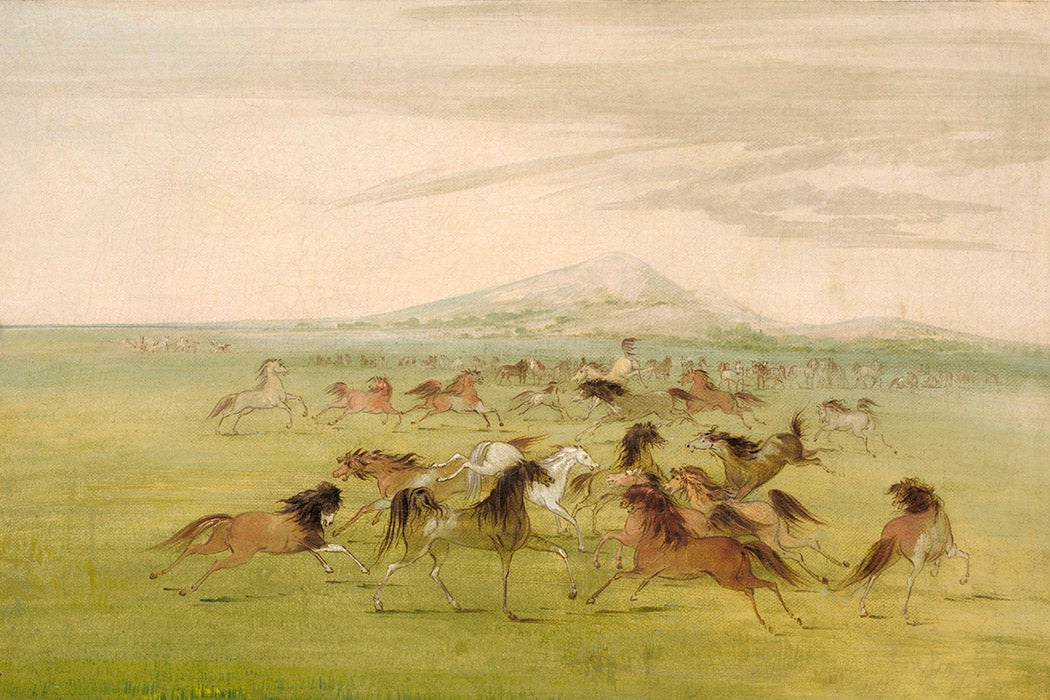
The Rise and Fall of the Equestrian Cultures of the Plains
Matamonasa-Bennett suggests rethinking approaches to EAT with the help of understandings of human-animal relationships found in Indigenous cultures. Indigenous traditions often view animals as “people” and as relatives of humans. Some cultures, such as the Cherokee and Creek, see animals as having their own social structures and ability to think, communicate, and govern their communities. And in day-to-day activities, Indigenous cultures often view non-human animals as entitled to respect and reciprocal treatment.
Matamonasa-Bennett sees glimmers of this kind of approach in the way some EAT practitioners describe the sessions as “magical,” but she suggests that this wording is the product of a lack of philosophical grounding in interspecies relations of the sort taught in Indigenous spiritual traditions.
Weekly Newsletter
“The view of horses or other animals as ‘healers’ or facilitators in therapeutic processes cannot co-exist with a Western view of dominance that holds them as inferior or allows for their exploitation,” she writes.
To rethink EAT, Matamonasa-Bennett suggests adopting guidelines and principles derived from Indigenous approaches. This includes approaching individual horses with curiosity about their worldview and customs, monitoring the animals’ welfare and giving them opportunities to recover from stressors, and finding ways to honor and express gratitude to them.