
Celebrating Indigenous Peoples and Cultures
Discover scholarship that challenges myths and explores the histories, cultures, and enduring contributions of Indigenous peoples.
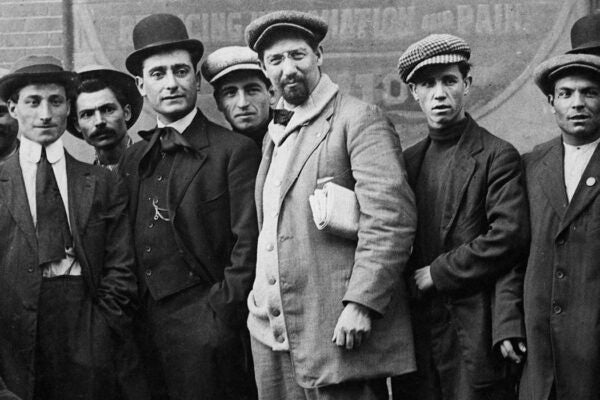
The Radical History of Italian Americans
In the early twentieth century, immigrant anarchists organized across U.S. cities and stood at the center of major labor struggles.
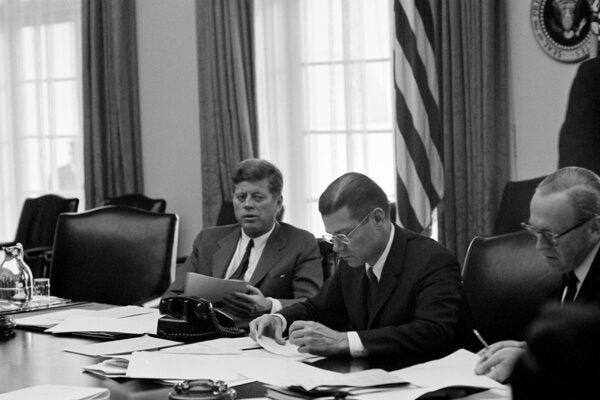
Beware of the Meeting Minutes
What gets lost when spoken conversations become part of the historical record?
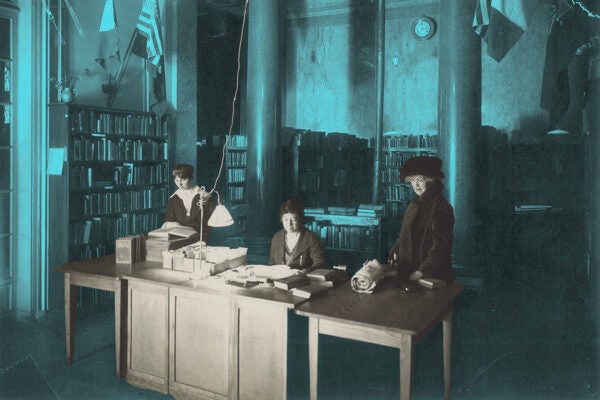
Building a Library in Wartime Paris
Photos from the American Library in Paris reveal how librarians brought books to US troops during World War I.
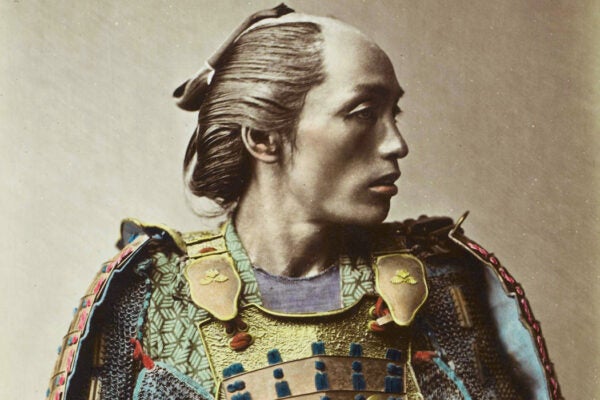
Why Italian Fascists Loved Samurai
Japan offered Italian Fascists a powerful example of how ancient traditions could serve modern nationalism.
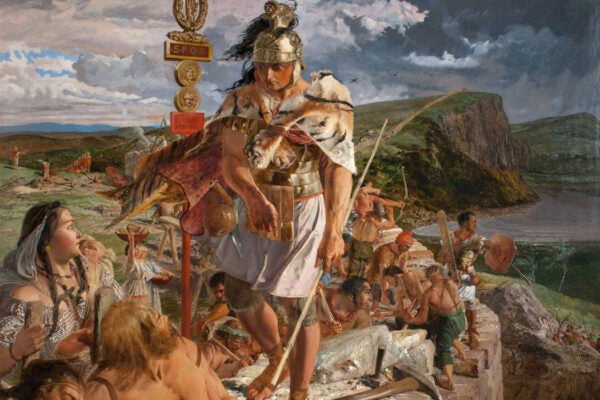
Ancient Rome’s Complicated Border
What did Hadrian’s Wall actually do? Its history challenges the idea that walls simply separate one side from another.
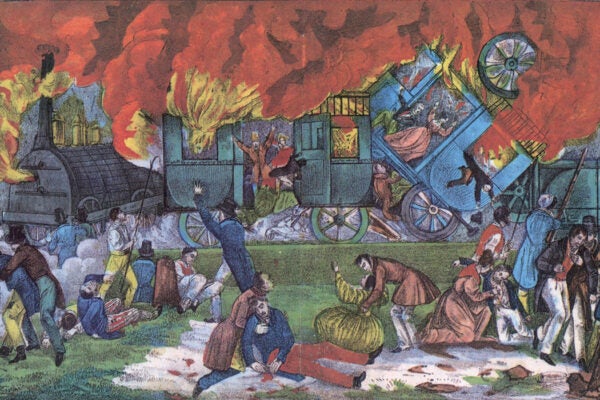
How the Railways Killed a Medieval Law
Deodands put a price on objects that caused death, sometimes providing compensation to bereaved families.
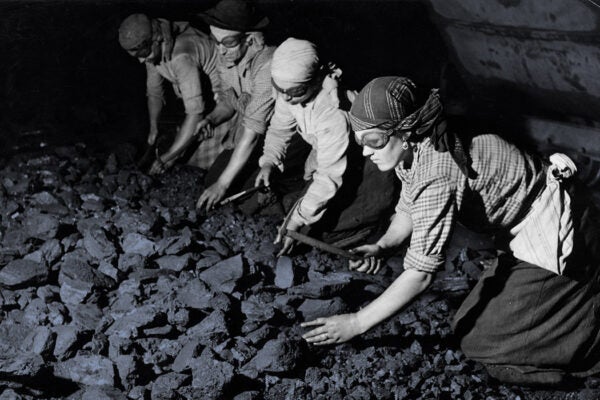
The Women Written Out of Mining History
Women have mined for centuries, but laws barring them from the industry helped cement the idea that mining was men’s work.
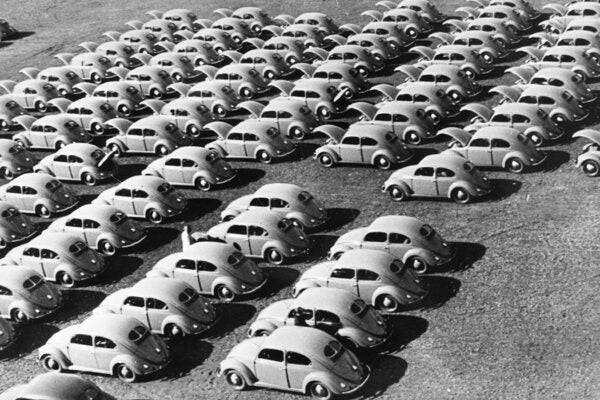
The Nazi Car That Conquered the World
The Volkswagen Beetle helped symbolize Germany’s postwar rebirth, despite its origins in Hitler’s vision of a “people’s car.”
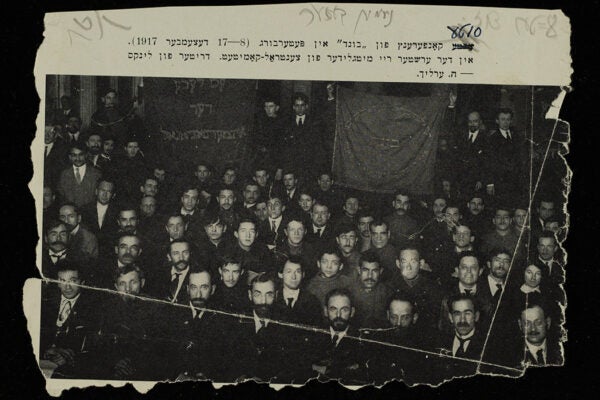
The Jewish Labor Bund’s Anti-Zionist Legacy
For many Jewish leftists before 1948, Zionism was far from the only vision for the Jewish future.