Few botanical mysteries have endured as long or captivated as many distinguished minds as that of Lignum nephriticum. For nearly half a millennium, the true identity of this curative wood eluded naturalists, physicians, and even the likes of Robert Boyle and Isaac Newton. Its story is not merely one of scientific curiosity, but of global trade, colonial encounters, and the limits of early modern knowledge networks.


The First Accounts: Monardes and Bauhin
The story of Lignum nephriticum begins in 1569, when Sevillian physician Nicolás Monardes published his observations of a remarkable wood from Nueva España (Mexico), reputed to treat kidney and urinary ailments, which he called palo para los males de los riñones, y de urina (stick for kidney and urine problems). Monardes, although he never visited Mexico himself, described the preparation and effects of the wood with vivid detail:
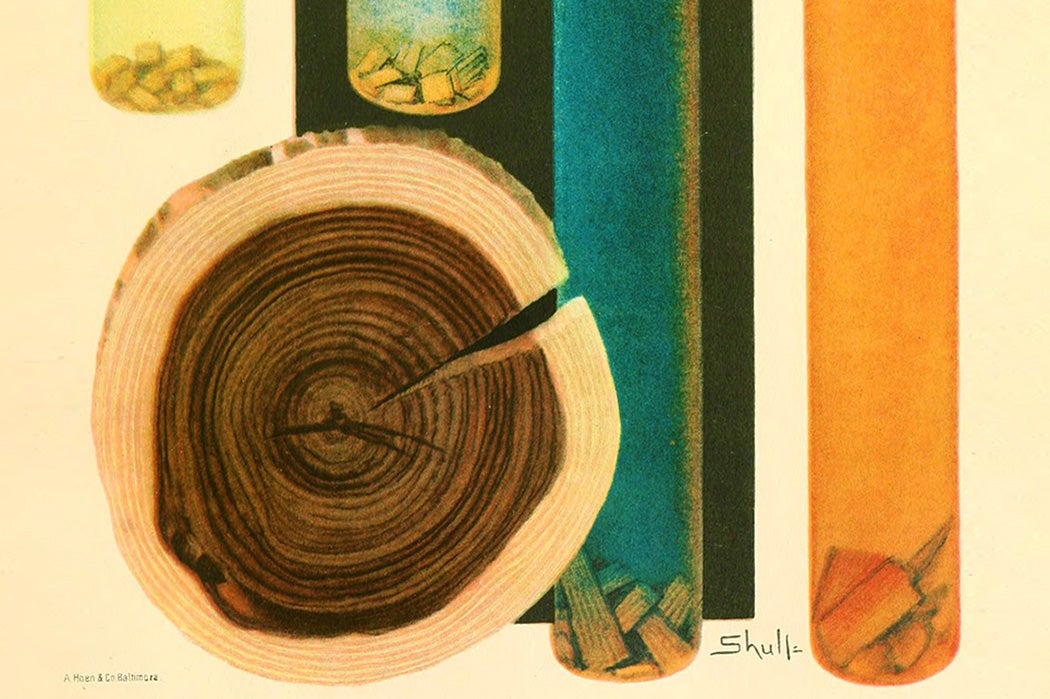
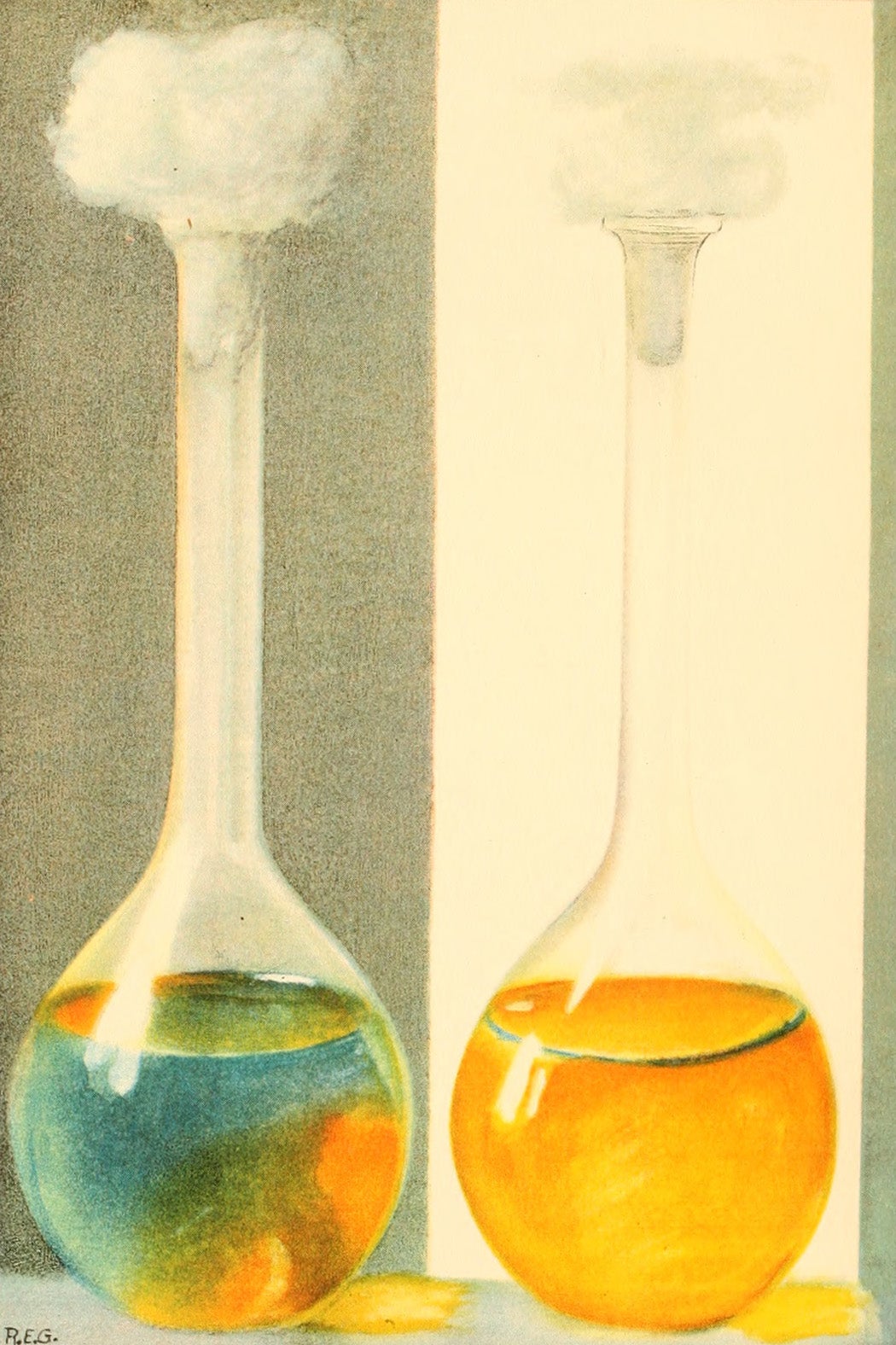
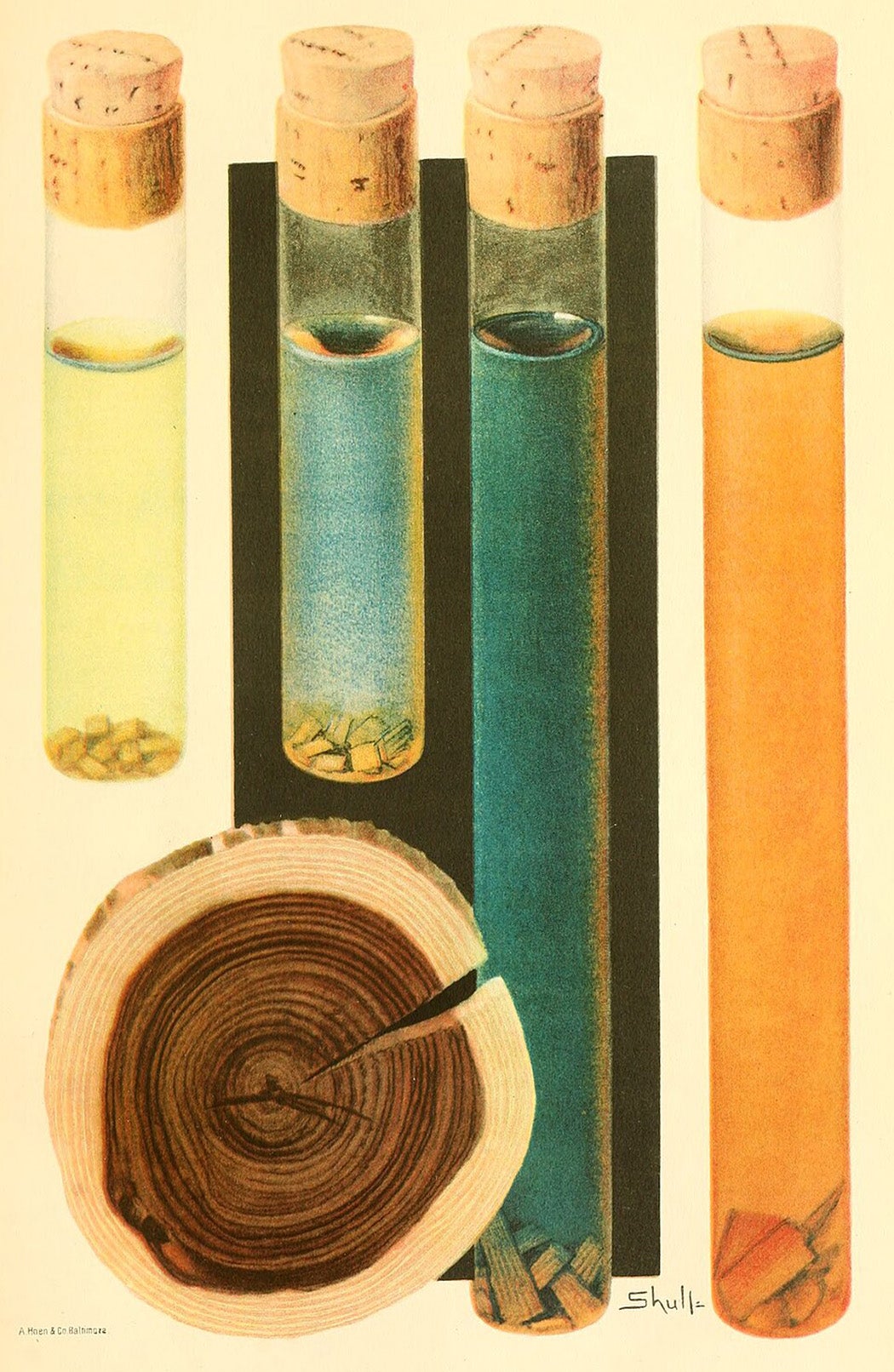
They take the wood, and cut it up into many fine chips, as many as possible and not very large, put them into clear fountain water… After half an hour a very light azure blue color begins to show, and it becomes more and more blue, although the wood is white.
A few decades later, Swiss botanist Johann Bauhin offered a parallel yet intriguingly different account in his Historia plantarum universalis. Bauhin described a cup, “almost a span in diameter and of unusual beauty,” made from a reddish wood. When chips from the same wood as the cup were soaked in water, the resulting spectacle was even more dramatic:
The chips soaked in water colored it in a short time wonderfully blue and yellow; in obverse (reflected) light it exhibited in a beautiful way the changing colors of opal, so that it varied like that gem from brilliant orange, yellow and red to a glowing purple and sea-green.
Both Monardes and Bauhin believed they had encountered a unique species of wood, one capable of transforming water into a spectrum of colors. Yet their descriptions diverged: Monardes’ wood was white and produced a blue hue, while Bauhin’s was reddish and yielded a kaleidoscope of colors.
The Problem of Identity: One Wood or Two?
These discrepancies led to persistent uncertainty regarding the botanical identity and geographic origin of Lignum nephriticum. Was it a single species, or were Monardes and Bauhin describing entirely different woods? The question would remain unresolved for centuries, as subsequent scholars attempted to reconcile these differences.
For much of the early modern period, the prevailing view was that both woods were the same. The term Lignum nephriticum itself, coined by the Flemish physician Carolus Clusius in his Latin translation of Monardes’ work, referred to the wood’s supposed efficacy in treating kidney and liver diseases. English medical writer John Peachi, among others, identified the woods described by Monardes and Bauhin as one and the same, labeling it “nephritick wood…which comes from Hispaniola.”
Indigenous Knowledge and Colonial Transmission
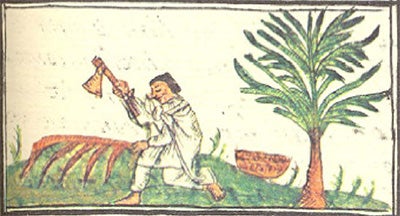
The connection to Mexico was reinforced by firsthand accounts based on encounters with Indigenous usage of the wood in Mexico. The Spanish Franciscan missionary Bernardino de Sahagún, the first to describe Lignum nephriticum, identified it by its Nahuatl name, coatl, and wrote, “A medicine, and makes the water of blue color, its juice is medicinal for the urine.”
Francisco Hernández de Toledo, a court physician who led the first scientific expedition to the Americas in 1570, also described a wood from Mexico believed to possess mystical powers:
Its water with which chips of the trunk of the plant have been infused, assumes an azure blue color, and if drunk, healing properties were numerous, “it refreshes and relieves the kidneys and the bladder, alleviates the acidity of the urine, extinguishes fever…”
These accounts cemented the association between Lignum nephriticum and Mexican flora, with the Nahuatl term coatl serving as a linguistic bridge between indigenous and European knowledge systems.
The Enigma of the Wooden Goblets
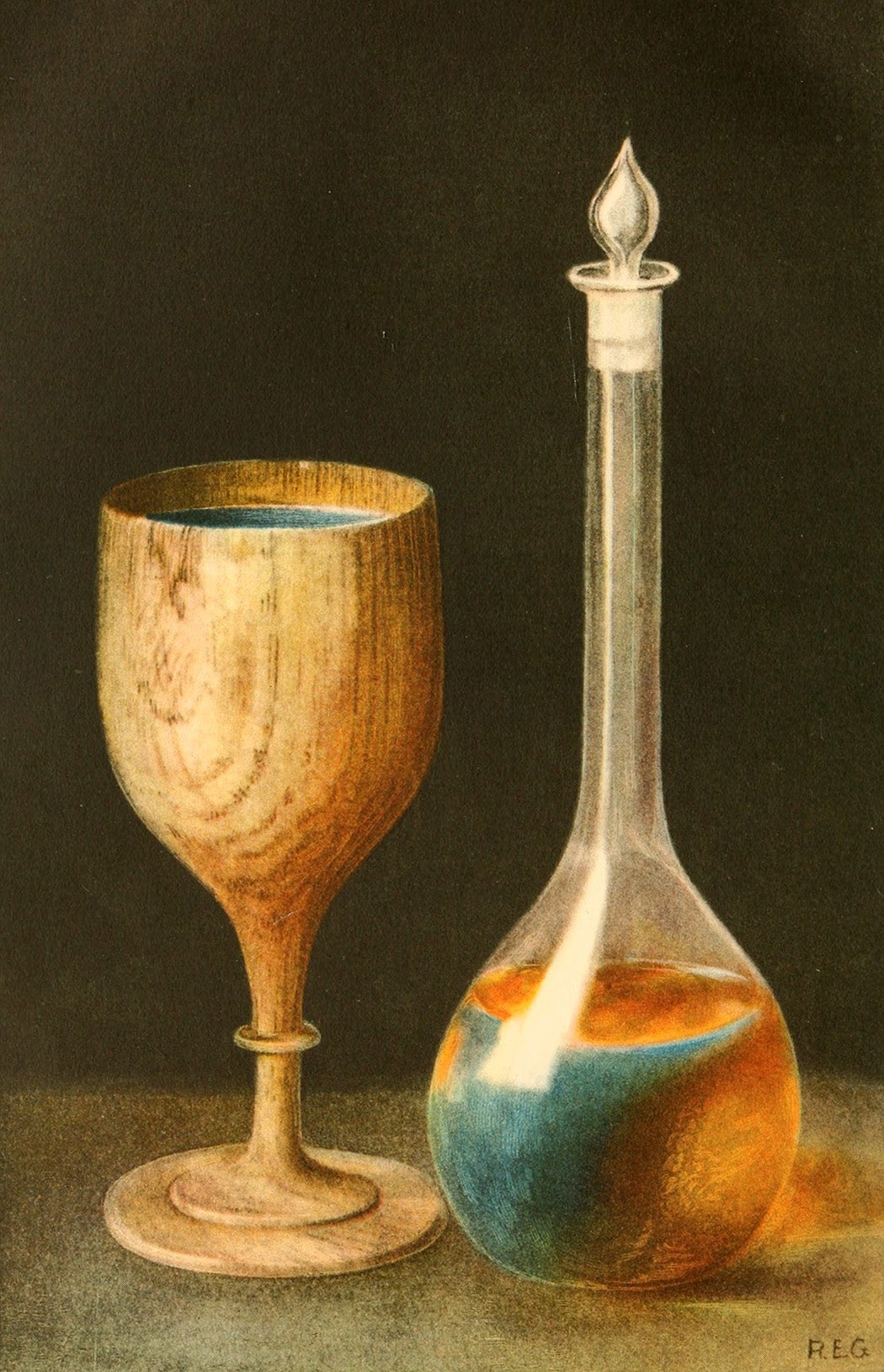
Further accounts of wooden cups with similar properties deepened the mystery. Jesuit scholar Athanasius Kircher, living in Rome, wrote in 1646 about cups made of “a certain wonderful wood, coloring water all kinds of colors.” Having received such a goblet as a gift from the Mexican procurator of the Jesuitical Society, Kircher presented it to the Holy Roman Emperor Ferdinand III as “something exotic and only known to few.”
Kircher assumed the goblet was made from the same Mexican wood described by Monardes and Hernández, and attributed to it the indigenous names coatl and tlapaztlie:
The wood of this tree is made into goblets, and it renders water poured into them intensely blue…If you move this phial towards a more shaded place the whole liquid will assume a most delightful green colour, and if towards a still more shaded place, it will turn more or less red, and so change its color in a wonderful way according to the nature of its surroundings.
Despite these vivid descriptions, the provenance of the wood remained obscure. Many naturalists assumed that if the cups were found in Mexico, they must have been made from Mexican wood. However, this did not explain the differences between the various colors observed, or other issues such as Hernandez’s uncertainty as to the botanical origin of the wood—he had been told that the source plant was a shrub, but had personally witnessed specimens that were the size of very large trees.
In reality, the global networks of trade and colonial bioprospecting endeavors that were intertwined within these networks complicated such assumptions.
Boyle and Newton
By the mid-17th century, Lignum nephriticum had become a popular materia medica in England, attracting the attention of Robert Boyle and Isaac Newton, whose interests lay not in the wood’s curative properties, but in its optical effects. Boyle for example conducted experiments and compared his results to earlier observations:
[Kircher] calls it a White Mexican Wood, whereas (not to mention that Monardes informs us that it is brought out of Nova Hispania) the Wood that we… employ’d… was not White, but for the most part a much Darker Colour…Whereas [Kircher] tells us that the Infusion of this Wood expos’d in a Vial to the Light, looks like Spring-Water, [our] Liquor [is] Yellowish or Reddish, according as its Tincture was more Dilute or Deep.
Boyle was unable to explain the empirical nuances and contradictions in previous reports. By 1750, samples of Lignum nephriticum had become rare, as Spanish colonial influence waned and fewer expeditions reached the Americas. The mystery remained unresolved, and research into the wood’s identity and medicinal use faded from scientific discourse.
Safford’s Discovery
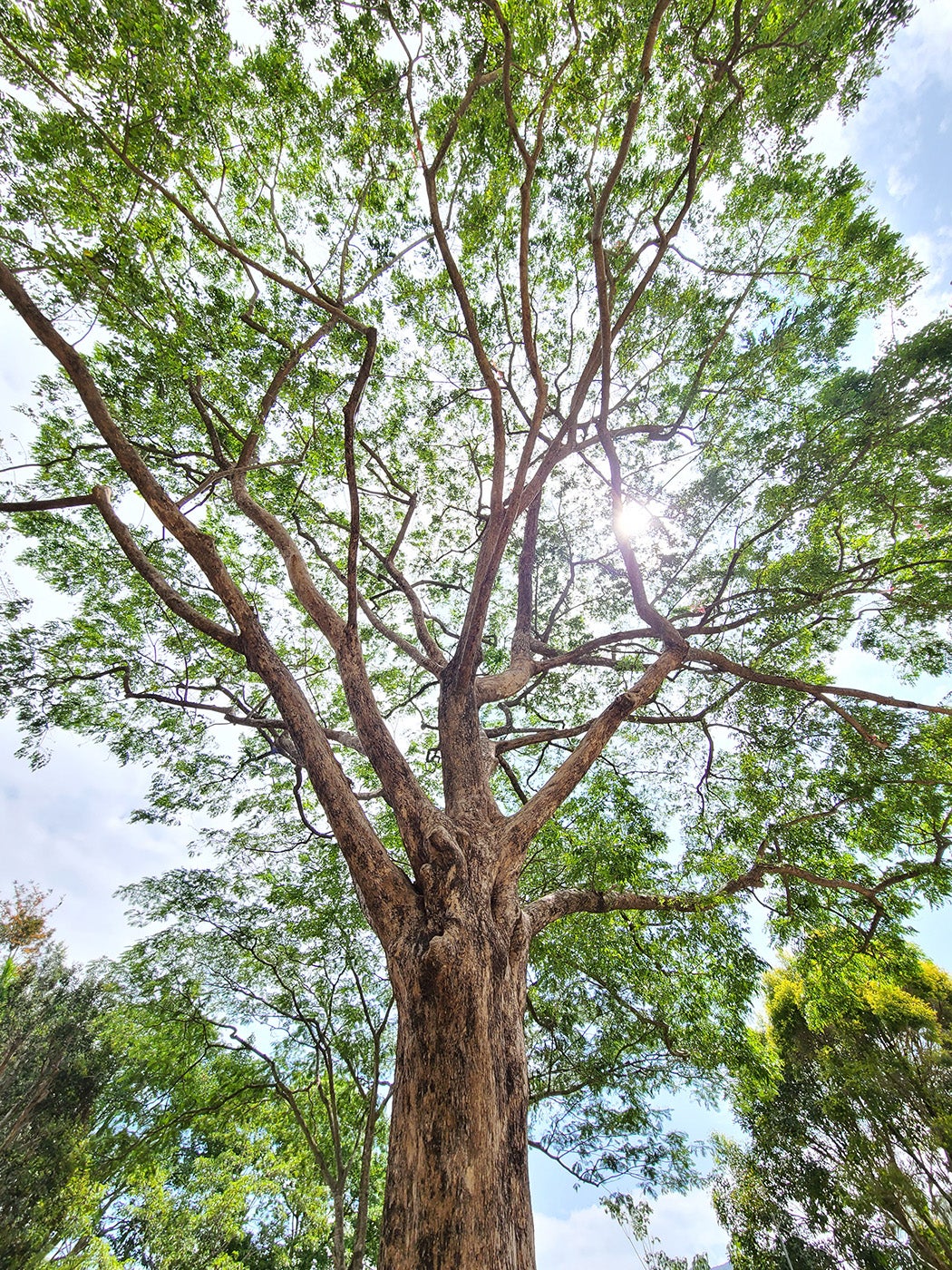
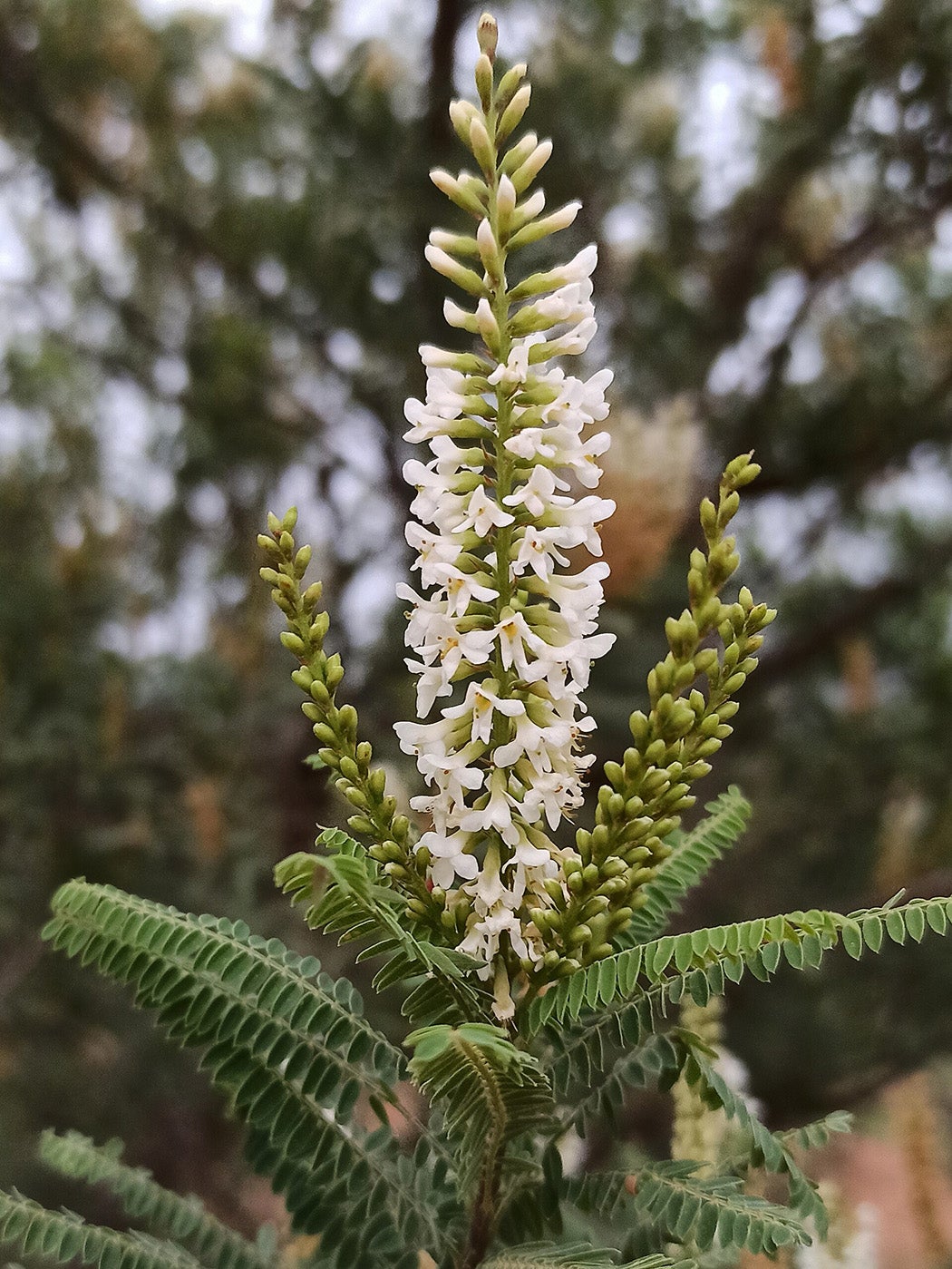
It was not until the early 20th century that American botanist William Safford finally resolved the mystery. Safford established that the woods described by Monardes and Bauhin were not one, but two distinct species: Eysenhardtia polystacha, endemic to Mexico, and Pterocarpus indicus, a forest tree native to the Philippine Archipelago.
Weekly Newsletter
Cups made of wood, as described by Kircher and Bauhin, were incorrectly ascribed to coatl when they had, in fact, originated from the Philippines. These cups reached Mexico via the Manila-Acapulco trade route, a global connection that had been overlooked for centuries.
Reflections on Early Modern Science and Global Networks
The protracted mystery of Lignum nephriticum offers a counter-narrative to the “connectedness” of the early modern world, one which exposes the fragmented nature of intellectual discourse among early modern naturalists and scientists. The sometimes-unstable provenance of botanical specimens, coupled with limitations of communication and documentation and assumptions about the origins of goods, had complex interactions with colonial bioprospecting endeavors that were intended to resolve confusion, distill information and advance European science. The case of Lignum nephriticum illustrates how trade, scientific discovery, and exploration were propelled, and sometimes inhibited, by the same networks that connected the early modern world. The Plant Humanities Initiative at Dumbarton Oaks seeks to unearth these complicated histories to reinvigorate our understanding of plants, people, and society.






_-_Florentine_Codex_f.203v.png)


.jpg)