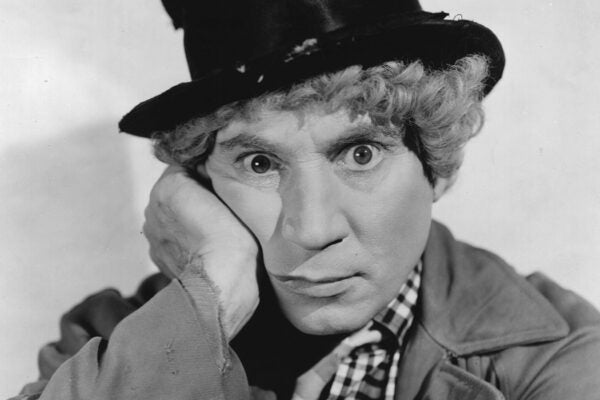
Why Lacan Loved Harpo Marx
A surprising encounter between high theory and Hollywood farce reshapes how we think about laughter and desire.
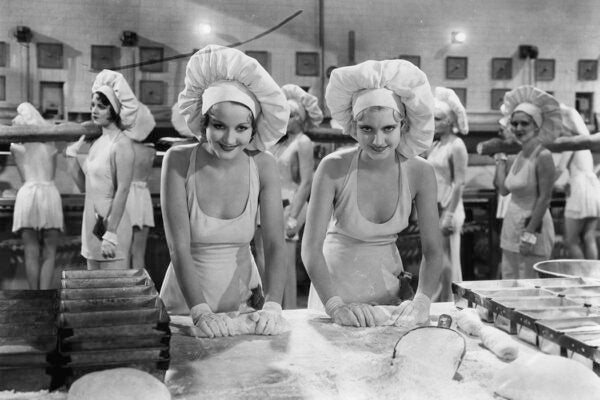
Queer Representation in Pre-Code Hollywood
Before the establishment of the Hollywood Production Code in the 1930s, filmmakers deployed gender and sexuality stereotypes for glamour, humor, and drama alike.
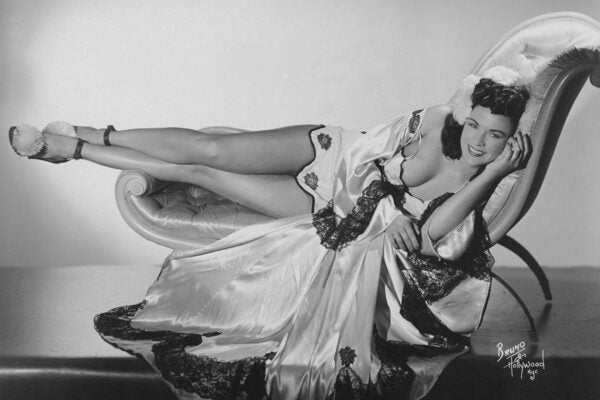
Burlesque Beginnings
From its nineteenth-century origins, burlesque developed into a self-aware performance art that celebrates the female form and challenges social norms.
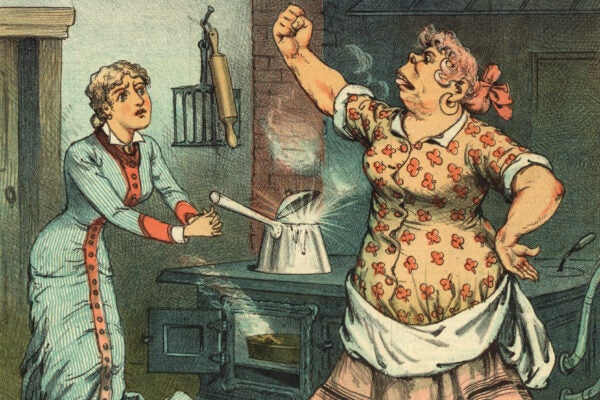
From Saint to Stereotype: A Story of Brigid
Caricatures of Irish immigrants—especially Irish women—have softened, but persist in characters whose Irishness is expressed in subtle cues.
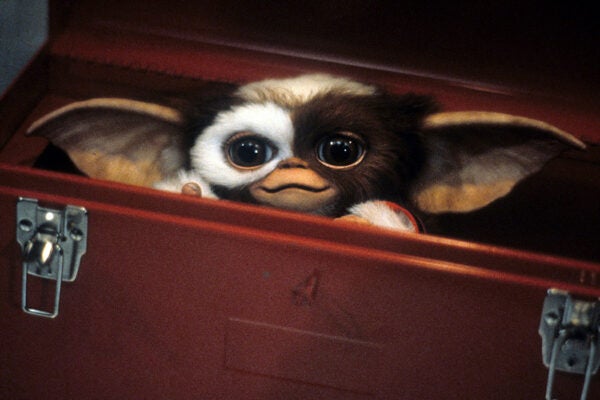
PG-13: Some Material May Be Inappropriate
The creation of the PG-13 rating in 1984 can be traced to a few key films: Poltergeist, Indiana Jones and the Temple of Doom, and Gremlins.
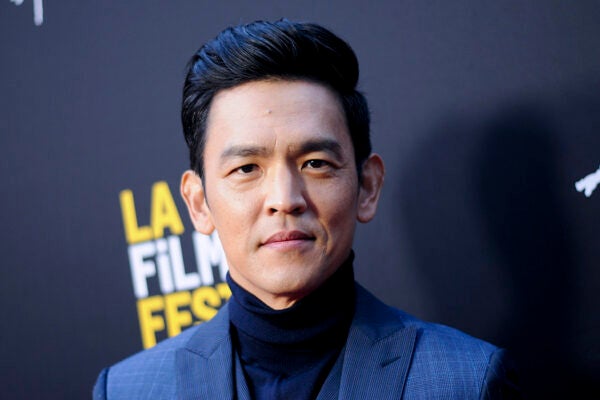
Why #StarringJohnCho Is Not Enough for Asian American Cinema
Filling more movie roles with Asian American actors may be the wrong goal if such visibility promotes stereotypes or buys into Hollywood's fantasies of power.
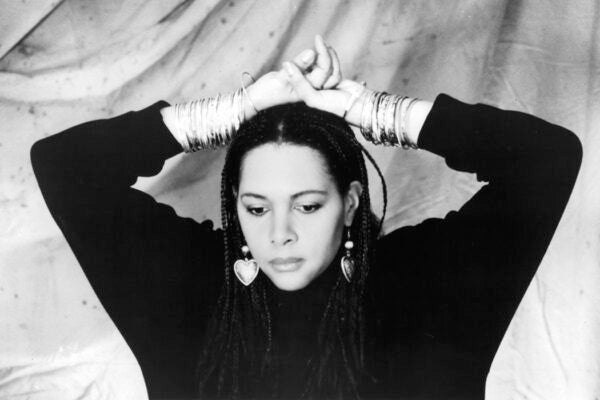
Feminist Film Theory: An Introductory Reading List
Evolving from the analysis of representations of women in film, feminist film theory asks questions about identity, sexuality, and the politics of spectatorship.
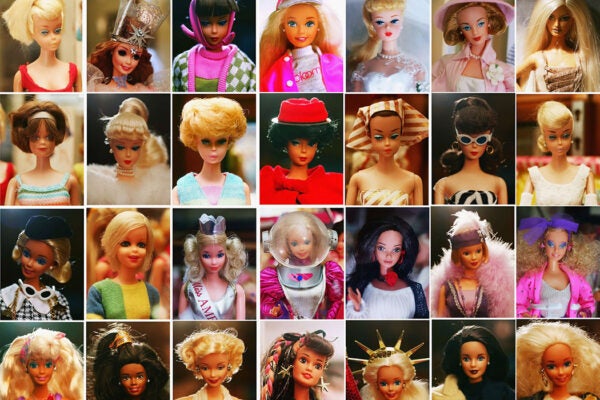
Teaching Barbie: Scholarly Readings to Inspire Classroom Discussion
Barbie is having a(nother) moment. Researchers have been studying the famous doll for years.
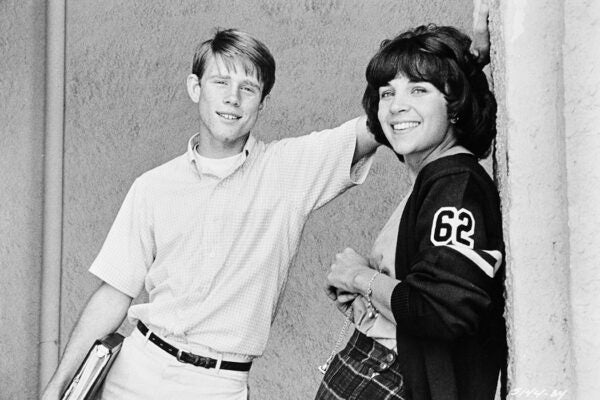
The Sonic Triumph of American Graffiti
In 1973, George Lucas joined forces with sound designer Walter Murch to celebrate a bygone era. They ended up revolutionizing the role music plays in film.
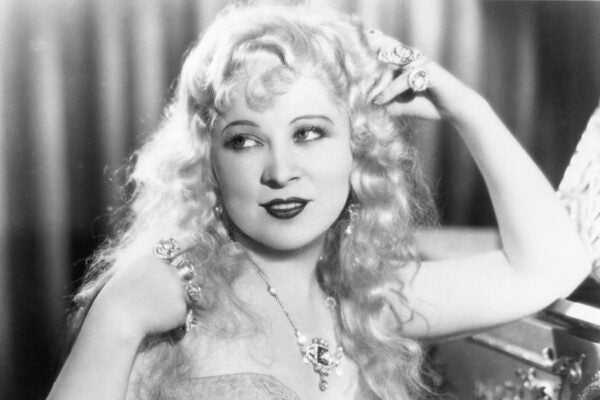
Mae West and Camp
A camp diva, a queer icon, and a model of feminism—the memorable Mae West left behind a complicated legacy, on and off the stage.