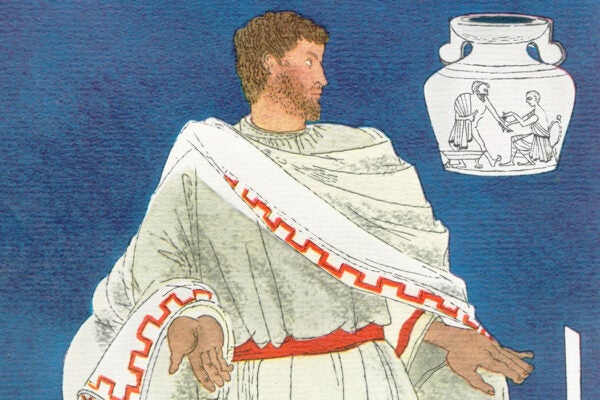
Why Ancient Doctors Prescribed Disgusting Remedies
Greek and Roman physicians used bodily waste to treat illness. The disgust it inspired may have been part of the appeal.
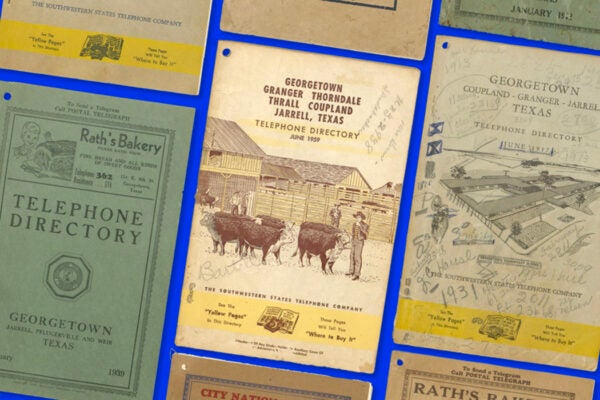
How the Phone Book Taught America to Ask for Answers
A collection of Texas directories from 1913 to 1959 shows how phone books—and the people who used them—helped invent “information” as we know it.
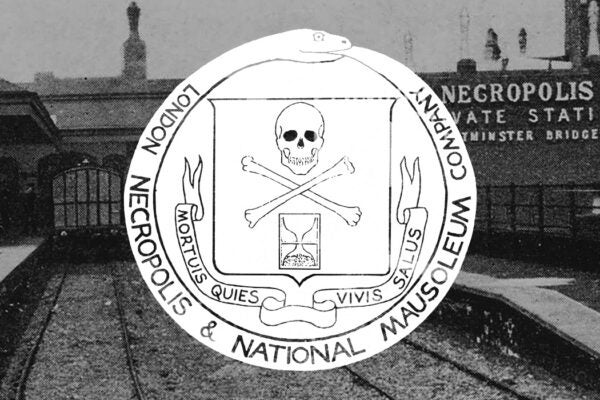
London’s Railway for the Dead
As London's graveyards overflowed, a private company proposed a remarkable new way to bury the dead.
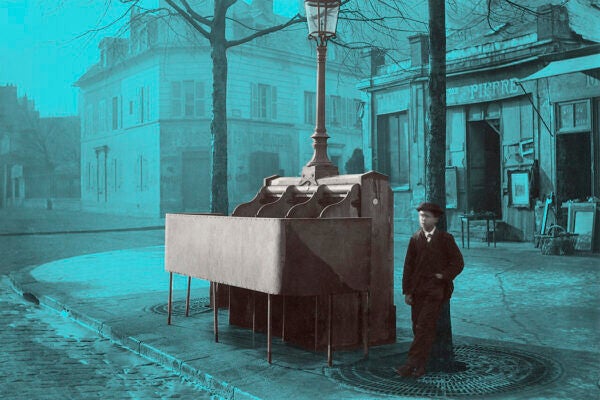
Where Did All the Public Bathrooms Go?
Nineteenth-century Paris tackled public urination with ornate pissoirs. American reformers later turned toilets into a temperance cause.
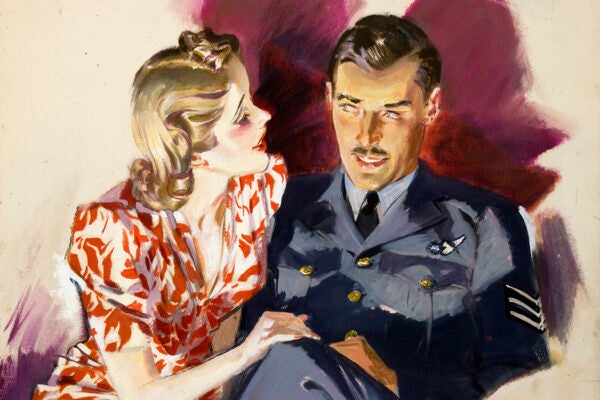
The Long History of Sexpionage
How honey traps evolved from human seduction to digital deception in the changing world of espionage.
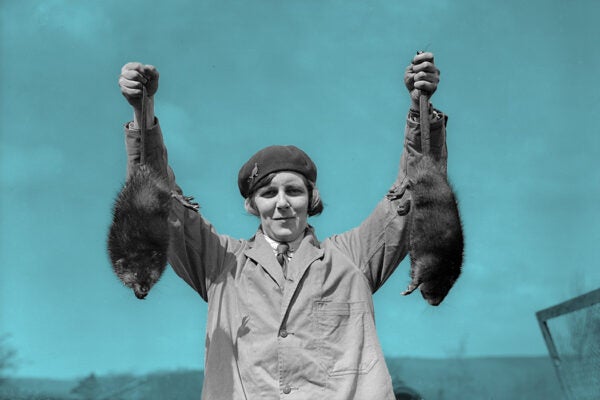
The Rise and Fall of Britain’s Muskrat Empire
A fur-farming experiment unleashed a prolific rodent—and sparked one of the rare successful eradications of an invasive species.
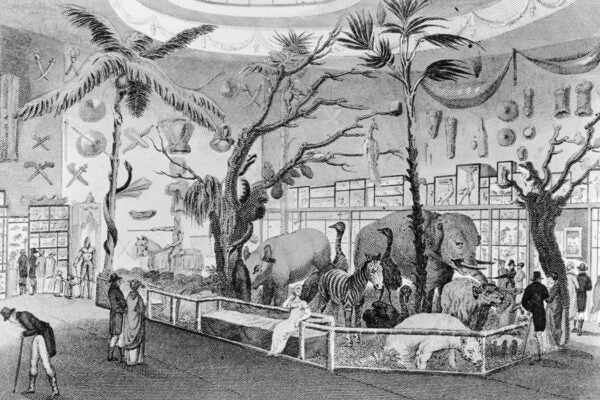
Empire on Display: The Rise of Taxidermy
New preservation methods transformed animal remains into persuasive displays that circulated widely in museums and popular culture.

The Golden Age of the American Soapbox
Across the country, impromptu speakers drew crowds and arrests alike, turning public oratory into a defining feature of civic life.
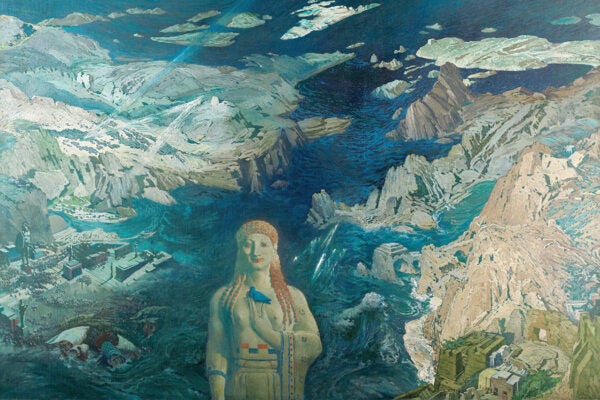
Islands of the Imagination
A short history of islands as sites of political escape and reinvention, from the myth of Atlantis to modern seasteading.
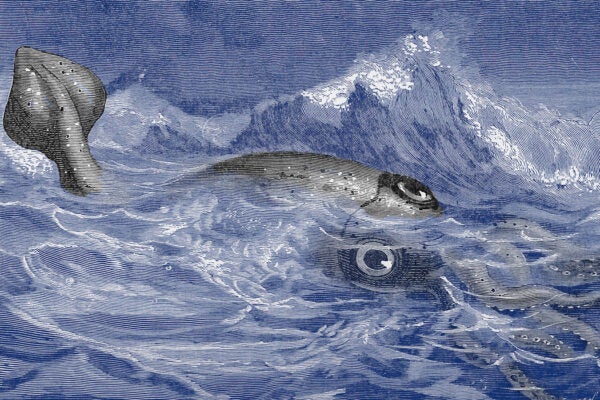
How a Giant Squid Attack Became an Urban Legend
A WWII survivor’s account shifted over decades, turning a murky sea encounter into a widely repeated legend.