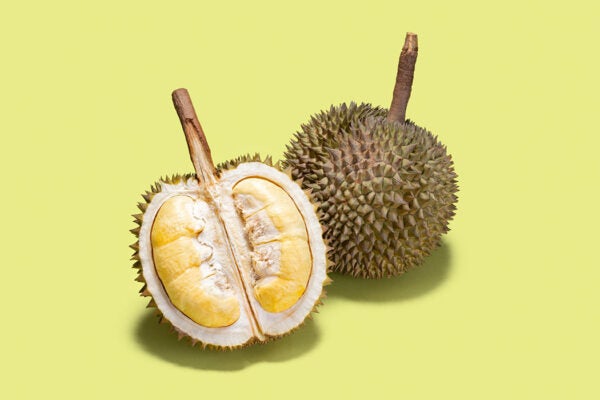
Disgust, Desire, and Durian
How Southeast Asia’s famously pungent fruit became a source of cultural identity and global demand.
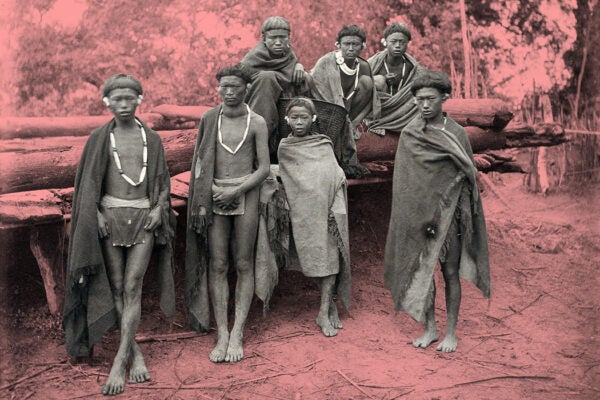
Can We Recover a Worldview Lost to Colonialism?
Among the Ao Naga of northeast India, humans may have been just one kind of person in a world filled with spiritual beings.
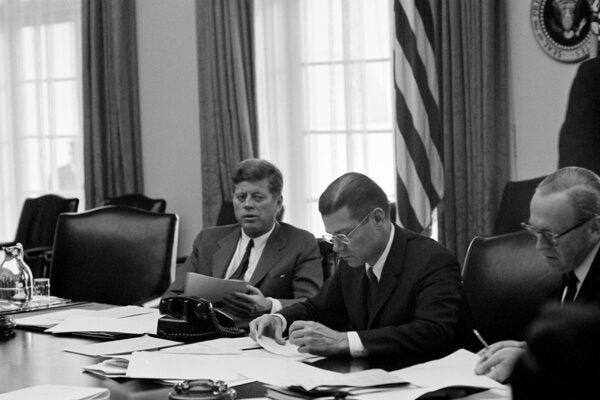
Beware of the Meeting Minutes
What gets lost when spoken conversations become part of the historical record?
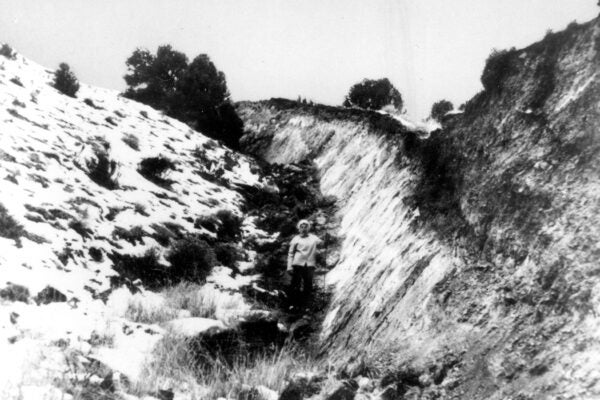
What Does an Earthquake Sound Like?
Seismologist Hugo Benioff spent decades turning seismic vibrations into signals he could study—and, eventually, hear.
Teaching Students to Follow an Idea
A five-step classroom exercise reframes research as an evolving scholarly conversation rather than a search for sources.
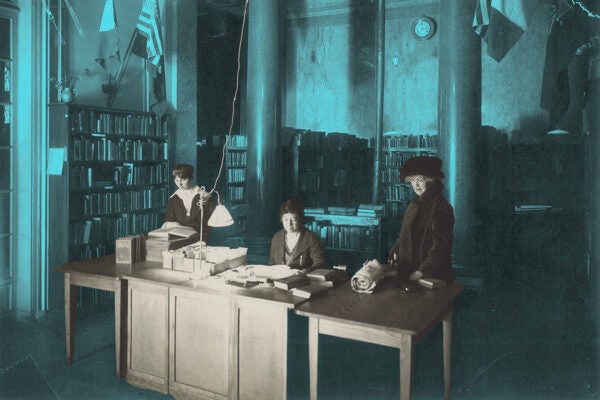
Building a Library in Wartime Paris
Photos from the American Library in Paris reveal how librarians brought books to US troops during World War I.
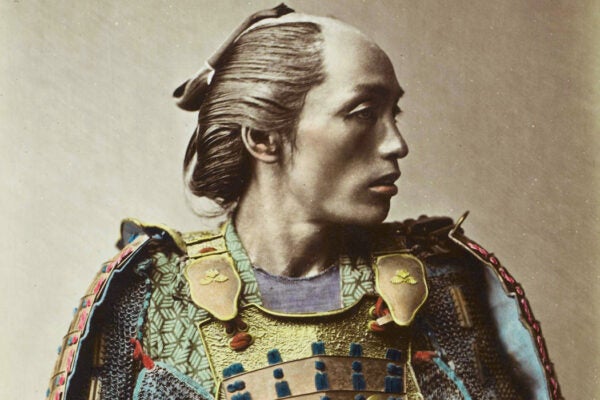
Why Italian Fascists Loved Samurai
Japan offered Italian Fascists a powerful example of how ancient traditions could serve modern nationalism.
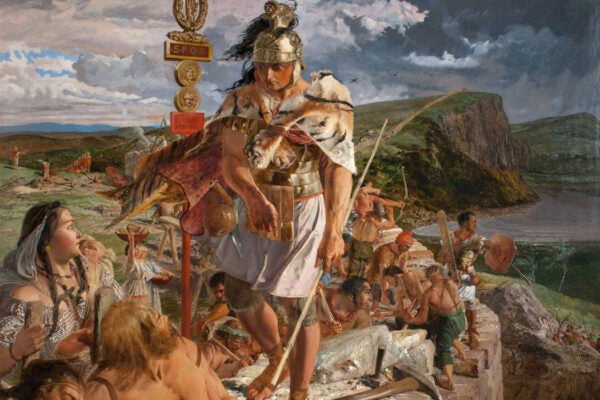
Ancient Rome’s Complicated Border
What did Hadrian’s Wall actually do? Its history challenges the idea that walls simply separate one side from another.
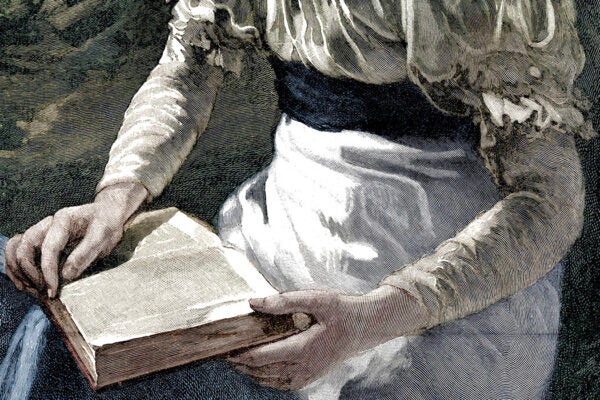
The Women Who Sold Books Door to Door
Three nineteenth-century memoirs reveal the risks and rewards of life on the road as a traveling bookseller.
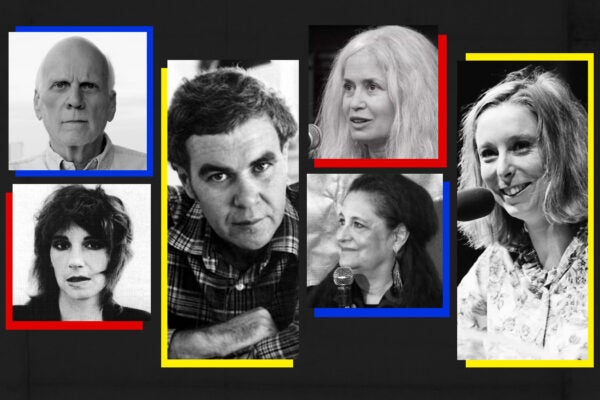
Minimalist Fiction in Six Short Stories
The art of saying more with less, by Raymond Carver, Amy Hempel, Frederick Barthelme, Jayne Anne Phillips, Mary Robison, and Ann Beattie.